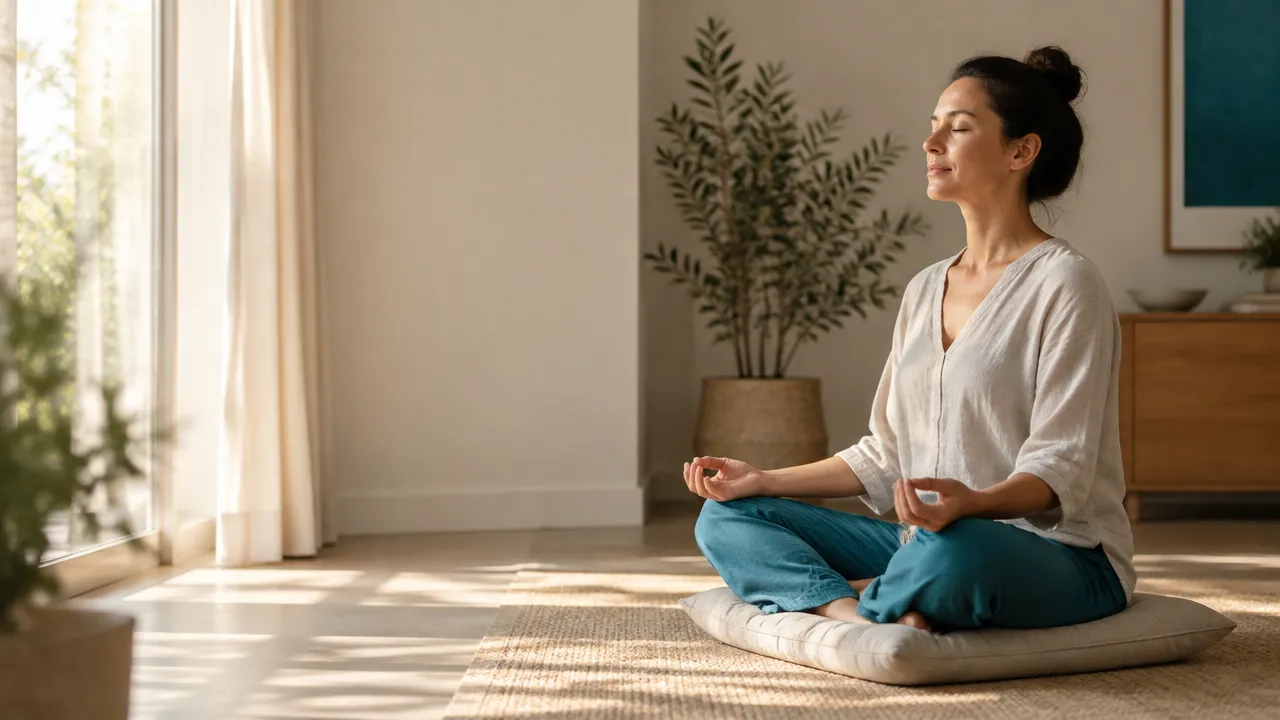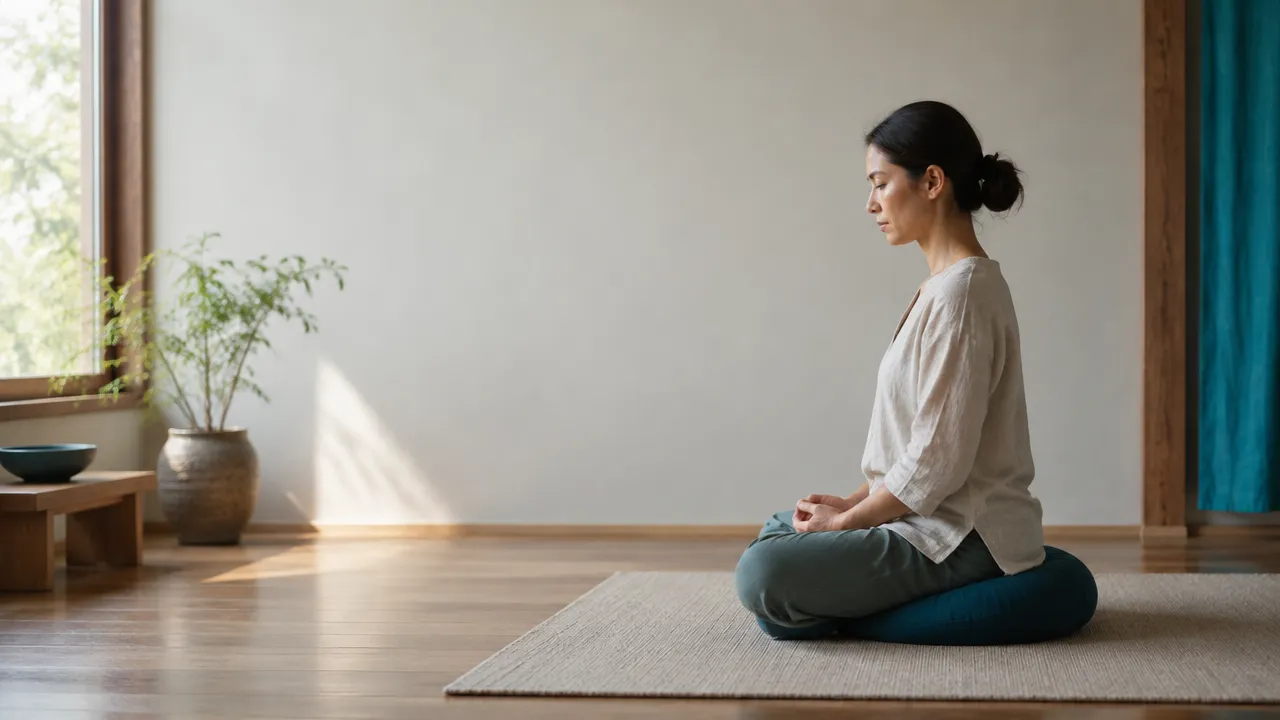

Yoga Nidra is a guided meditation practiced while resting, usually lying down, with the aim of staying gently aware as the body relaxes. It can be a structured way to pause, notice sensations, and settle attention, whether you want quiet daytime rest or a calmer bedtime routine. This guide explains what happens in a session, how to try one, and what current evidence can and cannot tell us.
Key takeaways for practicing yogic sleep
- Yoga Nidra is guided awareness during rest, not a guarantee that you will fall asleep.
- A session commonly moves through body awareness, breath, and guided imagery, but scripts vary.
- Start with a short recording and adjust your posture, timing, and level of guidance to suit you.
- Research on sleep is promising but limited, so treat the practice as supportive, not as a proven cure.
What is Yoga Nidra, and is it actually sleep?
Yoga Nidra is a guided contemplative practice in which you rest physically and follow verbal prompts while maintaining whatever awareness feels accessible. The phrase is often translated as “yogic sleep,” but the name can be misleading: the practice is not simply ordinary sleep, and staying awake throughout is not a test of success.
Unlike silent meditation, a session usually offers a sequence to follow. You might notice body sensations, listen to your breathing, or imagine a scene. The guidance gives attention an anchor, which can help if sitting quietly feels difficult. For a closer look at how guided practice differs from other approaches, explore these differences between meditation and mindfulness.
What happens during a guided session?
A session typically guides attention through a series of simple steps, moving from settling into the body toward quieter observation. The exact order varies by teacher and recording, so treat the sequence as a map rather than a rulebook.
- Settle in: Find a position you can maintain without strain.
- Choose an intention: Some guides invite a brief, personally meaningful resolve. You can also simply notice why you are practicing.
- Move attention through the body: Follow prompts that name different areas or sensations. This is a form of structured body scan practice.
- Notice breathing and sounds: Observe what is already present instead of forcing a particular breath pattern.
- Return gradually: Reorient to the room, move gently, and sit up when ready.
You do not need to visualize clearly, feel peaceful, or remember every instruction. If your attention wanders, return to the next prompt you hear.
How can you practice Yoga Nidra at home?
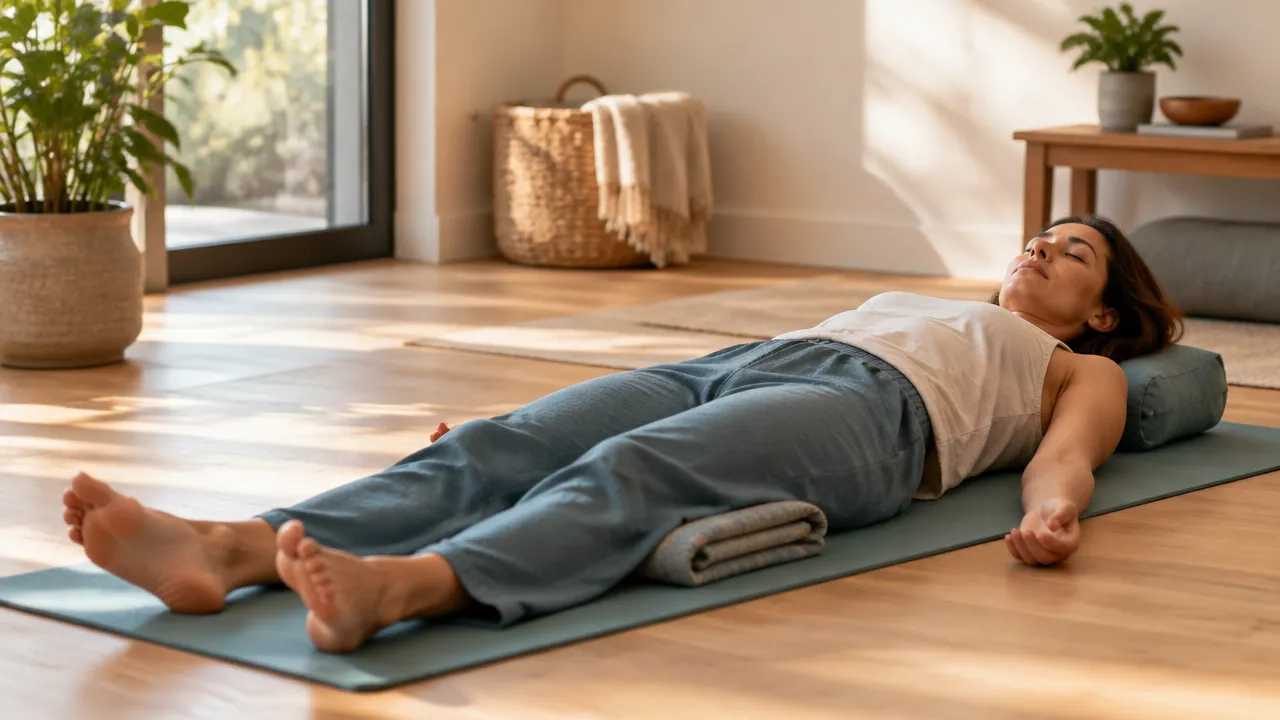
A comfortable setup and a short, manageable session are enough to begin. You do not need special equipment, a particular level of flexibility, or a perfectly quiet room. The goal is to reduce avoidable discomfort so you can follow the guidance.
- Choose a recording with a voice and pace that feel comfortable.
- Lie on a mat or bed, or sit supported if lying down makes you drowsy or uneasy.
- Use a folded blanket under your knees or a light covering if that helps you relax.
- Set a timer if you are practicing without a recording and want a clear endpoint.
- Try a brief session first, then decide whether to repeat or extend it another day.
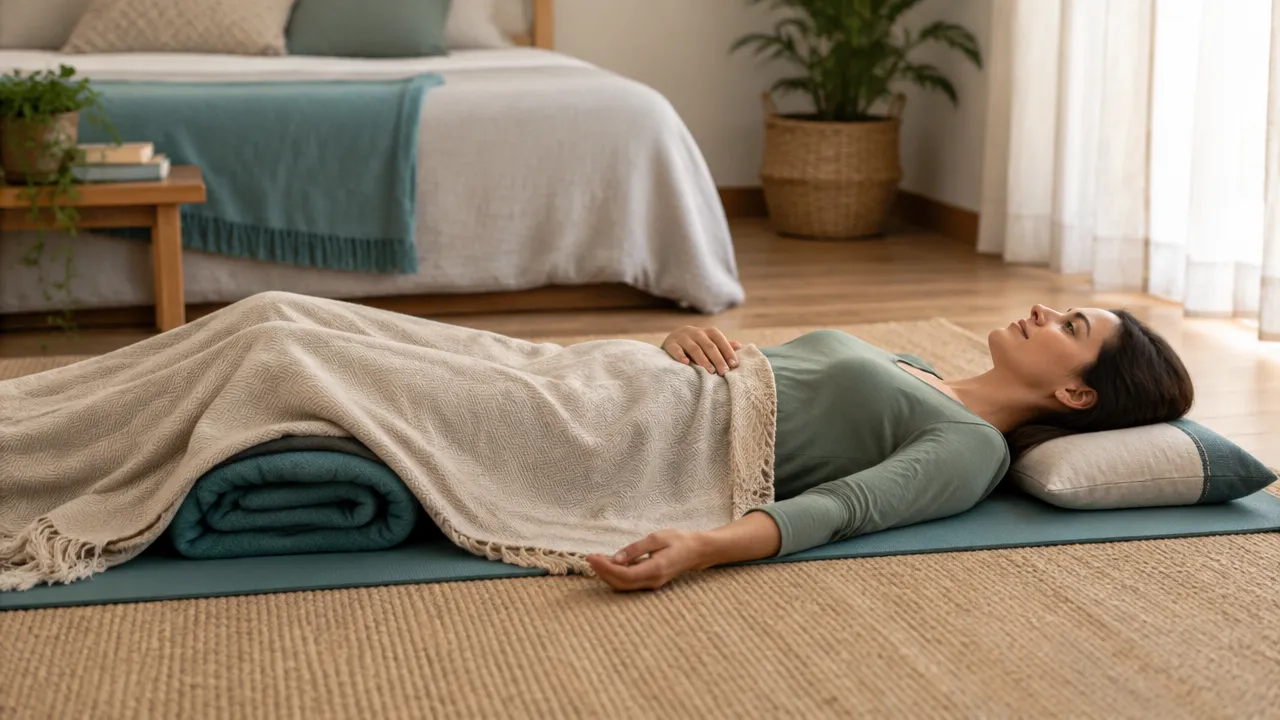
If your goal is to wind down before bed, practice at a time that fits your evening and let sleep happen if it comes. If you want to explore awareness, try a daytime session when you are less likely to drift off. For more foundations, see this beginner’s guide to meditation practice.
What does the evidence say about sleep and stress?
Yoga Nidra may support relaxation and sleep for some people, but research does not yet establish it as a reliable treatment for insomnia. A 2026 systematic review of six randomized trials, involving 244 participants, reported that most studies found improvement in sleep measures. The authors also noted differences in study methods, moderate-to-high risk of bias, and gaps in reporting safety outcomes. Read the systematic review of sleep trials for its methods and limitations.
This distinction matters: feeling rested after a session is a meaningful personal experience, but it does not prove that the practice treats a medical condition. Think of it as one possible part of a broader routine, not a replacement for professional support when sleep difficulties persist or affect daily life.
How does Yoga Nidra compare with NSDR and meditation?
Yoga Nidra, NSDR, and meditation can overlap, but the terms do not always describe the same format. NSDR, short for non-sleep deep rest, is often used for guided relaxation practices. Meditation is a broad family of methods, which can include seated attention, movement, or guided body awareness.
| Practice | What to expect | Useful distinction |
|---|---|---|
| Yoga Nidra | Guided awareness while resting | Often follows a deliberate sequence |
| NSDR | Guided rest or relaxation | A broad label, not always one standardized method |
| Meditation | Many possible formats and anchors | Can be guided or unguided, still or active |
Choose by experience rather than label. A calm voice, accessible posture, and clear instructions may matter more than whether a recording calls itself Yoga Nidra or NSDR.
When should you adapt or stop the practice?
Change the position, open your eyes, pause the recording, or stop if the practice feels uncomfortable. Relaxation techniques are generally considered low risk for healthy people, but experiences vary. The U.S. National Center for Complementary and Integrative Health notes that meditation can sometimes bring difficult experiences, including increased anxiety or intrusive thoughts, and advises not using it to delay needed care. See its guidance on meditation and safety.
If inward attention or stillness feels distressing, choose a shorter, more grounding practice or seek guidance from a qualified health professional. Yoga Nidra is optional; a useful practice is one you can approach with choice and care.
Frequently asked questions
Is Yoga Nidra the same as NSDR?
Yoga Nidra and non-sleep deep rest, or NSDR, overlap because both often use guided rest and body awareness while a person lies down. They are not automatically identical: Yoga Nidra is a named meditation practice with varied traditional and modern formats, while NSDR is a broader label for guided relaxation practices.
How long should a Yoga Nidra session last?
A session can last from a few minutes to about an hour, depending on the recording and your needs. For a first practice, try a short guided session of around 10 to 20 minutes. There is no required duration, and a longer session is not necessarily more effective or restful.
What happens if you fall asleep during Yoga Nidra?
Falling asleep is common, especially if you practice when tired or use the session at bedtime. It does not mean you have failed. If staying aware is your goal, try practicing earlier, choose a shorter recording, or sit slightly propped up. If sleep is the goal, resting is still useful.
Who should avoid or adapt Yoga Nidra?
Most people can adapt the practice, but lying still with eyes closed may feel uncomfortable for some, including people with trauma histories, intense anxiety, or certain mental health conditions. Choose a gentler recording, keep your eyes open, change position, or stop. Seek guidance from a qualified professional if meditation brings distress.
Is Yoga Nidra better than meditation?
Neither practice is universally better. Yoga Nidra usually follows spoken guidance through stages such as body awareness and breath observation, while meditation includes many approaches, including silent attention or movement. Choose the format that fits your intention, comfort, and circumstances, and remember that guided rest does not replace medical care for persistent sleep problems.