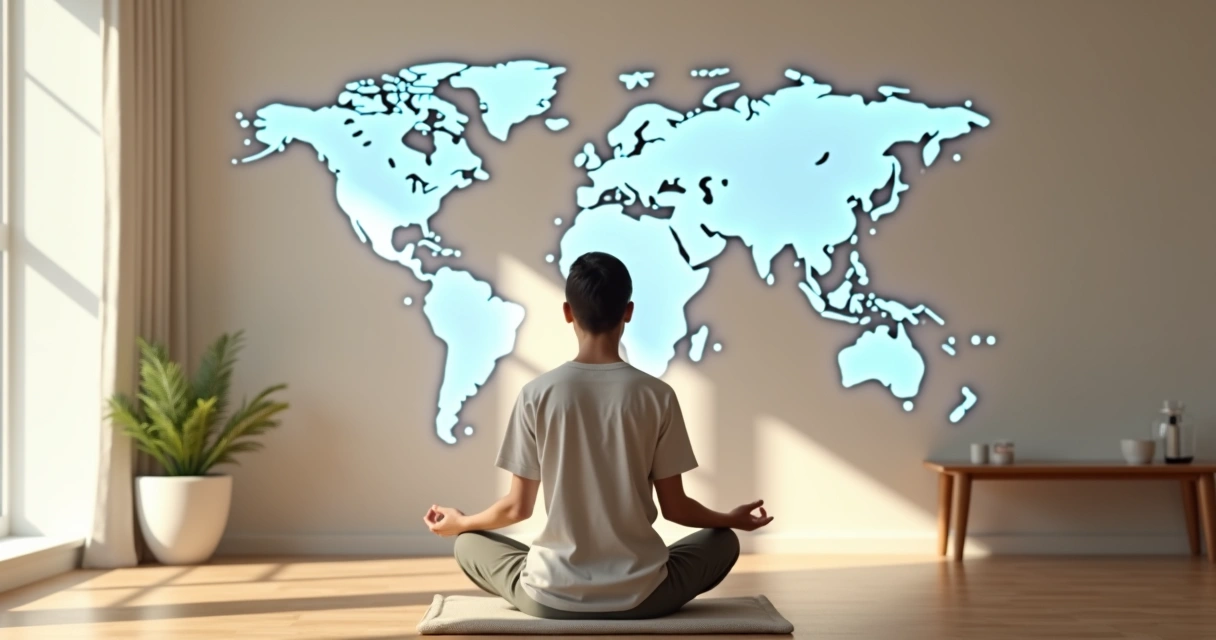
Our world changes. The connections between countries, people, and cultures become more obvious with each moment. We see a push for understanding and presence that goes beyond thoughts or traditions—something more integrated. From our perspective, meditation today can offer more than calmness or relief. We want to show how Marquesian meditation for beginners answers the global readiness for connected consciousness.
What makes Marquesian meditation unique?
Marquesian meditation is a practice designed to deepen our awareness of both self and collective, bringing together emotional maturity and global responsibility. Unlike other approaches focused only on inner calm, this tradition guides us to hold both our personal experience and our participation in something larger.
Marquesian meditation has key goals:
- Developing a clear, stable presence—paying attention to our mind, heart, and body.
- Recognizing the influence that our emotions and thoughts have on others, even across distance and cultures.
- Cultivating healthy responses that consider the well-being of not just ourselves, but our communities and the planet.
We believe that as more people use this meditation, they help bring about a new collective field. Learning begins at an individual level, yet the effects ripple outward.
Preparing to start Marquesian meditation
We always suggest a simple start. Fancy equipment, expensive decor, or long readings are not what matter.
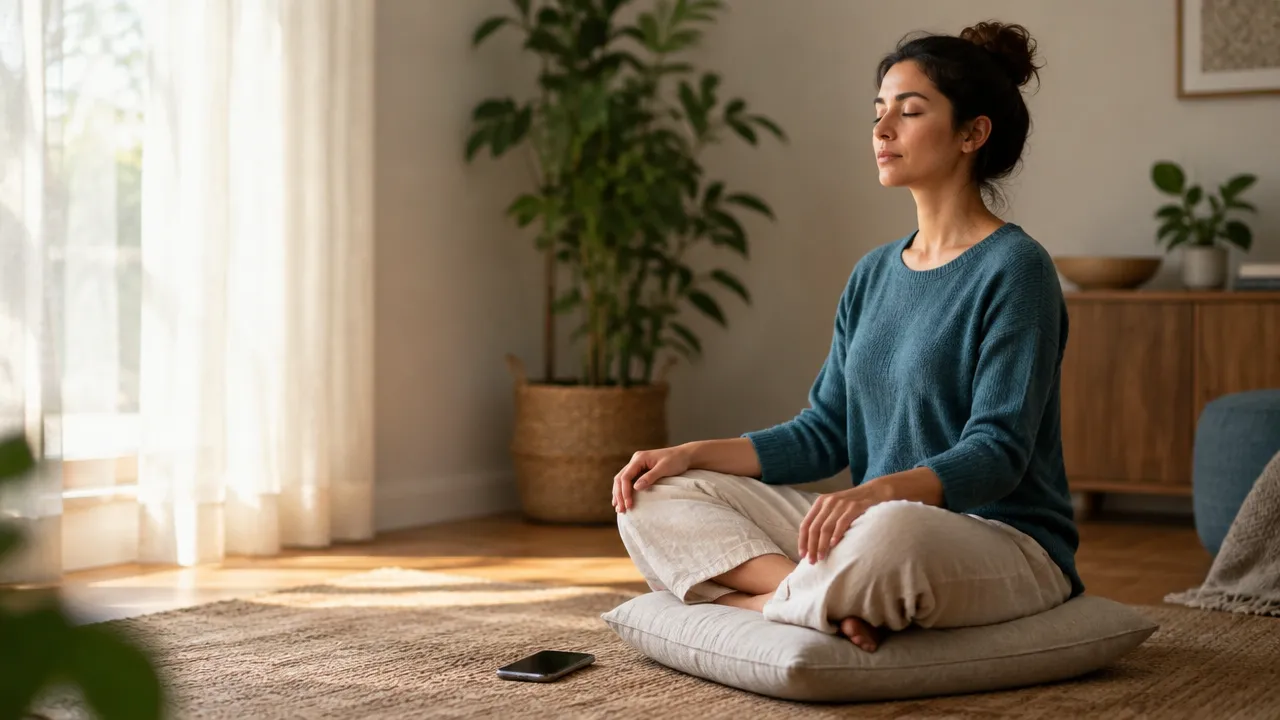
- Choose a quiet space. It could be a corner of your room, a park bench, or a coffee shop early in the morning.
- Decide when to practice. Consistency is more effective than length. Five to ten minutes at first works well.
- Wear comfortable clothes. There is no dress code—your body should not distract you.
- Tell others if you share your space. Protecting your time can help your mind let go.
Preparing for meditation is as much about intention as environment. Setting a gentle goal, such as “I am open to watch my experience,” is more helpful than demanding perfection.
Understanding presence in Marquesian meditation
The center of Marquesian meditation is presence. Not the absence of thoughts or emotions, but a gentle, ongoing attention to what is happening inside and around us.
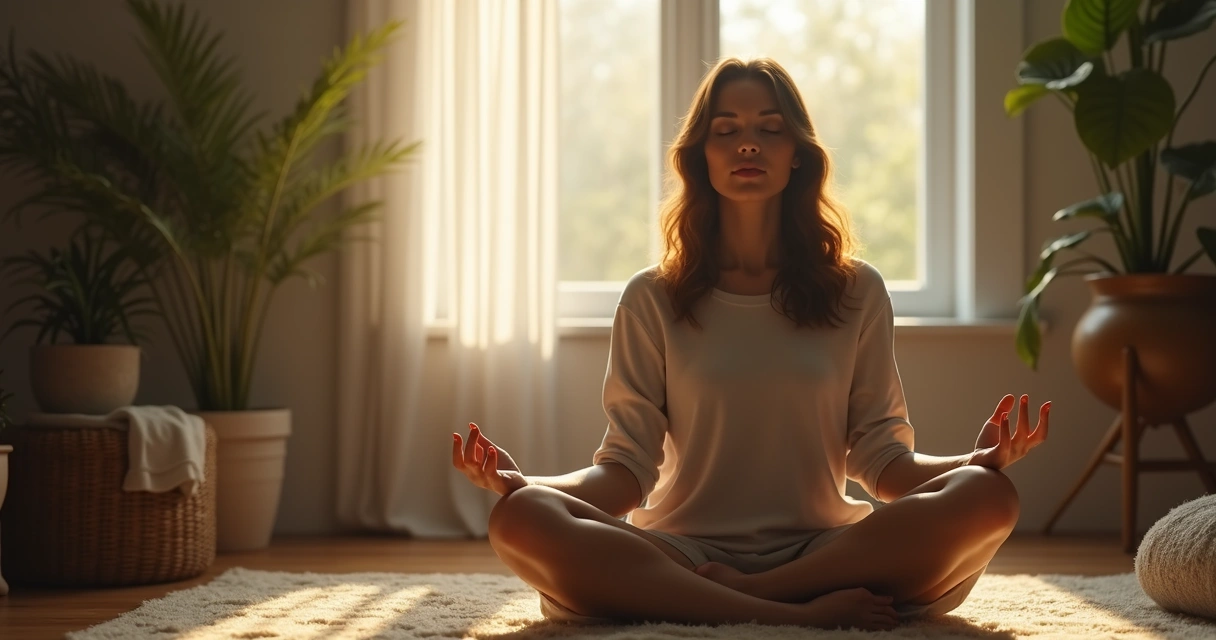
Here are the basic steps we recommend for grounding presence:
- Settle yourself. Sit comfortably, with a straight but relaxed back. Close your eyes or lower your gaze.
- Notice your breath. Do not try to force it. Let it be as it is, feeling each inhale and exhale.
- Sense your body. Feel your contact with the ground, temperature in your skin, small aches or softness.
- If a thought comes, notice it and let it pass. Do not chase it or fight it.
- Bring awareness to your heartspace. Are there feelings present? Curiosity, worry, joy, numbness—all are welcome.
Presence is not a perfect achievement. We encourage you to treat each distraction as an invitation, not a setback. In our own practice, some days feel easy and open, while others are full of restlessness. Both are valid.
Layers of self in Marquesian practice
A distinctive aspect of Marquesian meditation is mindful attention to the different layers of self. We believe this helps people connect with themselves, others, and the world more clearly.
- The personal self—your own thoughts, memories, and feelings
- The relational self—how you understand yourself in connection to friends, family, and co-workers
- The systemic or global self—the part of you that interacts with wider currents: society, nature, and the collective emotion
Working with these layers, we develop awareness that is open and flexible. You can try bringing different intentions to your sessions, sometimes focusing on yourself, sometimes holding the “bigger picture” in mind.
Simple Marquesian meditations to begin
Here are a few beginner practices we use, tailored to these three aspects:
- Personal presence scan: Sit quietly. As you inhale, notice a feeling or thought. As you exhale, notice if it changes or softens. Repeat for a few minutes.
- Relational awareness: Bring to mind someone you know. Notice their presence in your awareness. Inhale, feeling your body. Exhale, sending them silent wishes for good. Notice any changes in emotion.
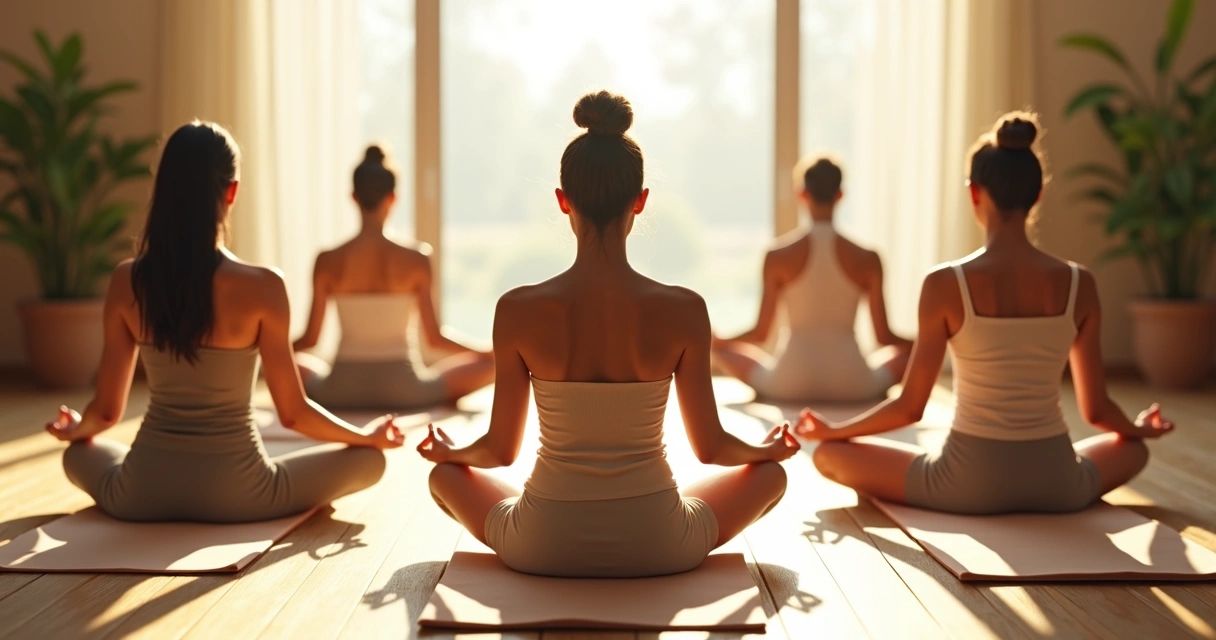
- Global field sense: Picture yourself as part of a much larger circle of humans all silent in meditation. Feel the invisible thread linking you to them, share your intention inwardly. Remain still, letting yourself sense the quiet bond.
We often feel a gentle opening after these sessions—a sense of belonging, clarity, or peace that lingers.
Common beginner challenges and our responses
It is normal for obstacles to appear:
- Wandering thoughts—We think of them as weather passing through the mind. Returning to the breath again and again builds strength.
- Restlessness or discomfort—Small shifts in posture or accepting brief fidgeting can be helpful. We do not demand stillness, only attention.
- Doubt or frustration—We see these as part of learning. Each session is a fresh start.
Meditation is not about eliminating all struggle; it welcomes struggle and responds with kindness. Over time, we see more ease and fewer expectations.
How often should you practice?
We often hear, “How often should I meditate?” Our view is: start with what you can do consistently.
- Five to ten minutes, daily or a few times a week, brings gentle momentum.
- If you miss a day, begin the next as if it’s the first—all progress counts.
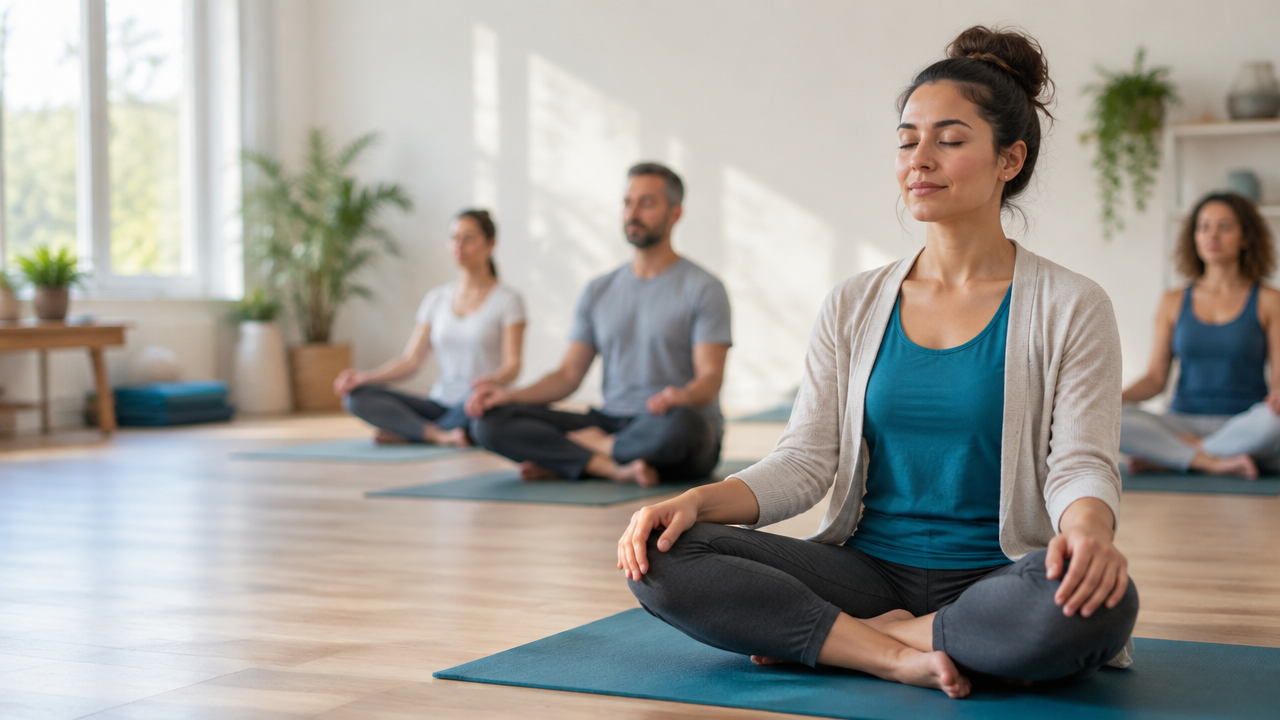
- Group sessions monthly can help sustain motivation and deepen a sense of shared purpose.
One gentle step at a time shapes a strong foundation.
Integrating Marquesian meditation into daily life
We notice real changes when meditation flows into regular life, not just when we sit quietly. Small habits can help:
- Pause and breathe before starting work or conversations.
- Notice your own feelings when changing tasks or reading news.
- Remember your connection with others, especially in moments of stress or conflict.
As these habits form, the lines between formal meditation and daily presence begin to fade.
Conclusion
Marquesian meditation for beginners in 2026 calls for a presence that holds both self and planet gently. We see every small attempt at presence as a seed of healthy change. Our experience makes it clear: each moment of awareness influences not just ourselves but our world. Gentle practice, sincere intention, and collective effort can nurture richer human connection.
Frequently asked questions
What is Marquesian meditation?
Marquesian meditation is a mindful practice that guides individuals to develop clarity, emotional maturity, and a sense of global connectedness. It blends attention to personal experience with awareness of the effect we have on others and the world. This approach values both inner peace and collective health, allowing practitioners to cultivate presence within themselves and their broader context.
How do I start Marquesian meditation?
Beginning Marquesian meditation is simple. Choose a calm space, set aside a few minutes each day, and bring your attention gently to your breath, body, and emotions. Start by noticing your internal experience without judgment, allowing thoughts and feelings to come and go. Regular, brief sessions are more effective for beginners than long, infrequent ones.
Is Marquesian meditation good for beginners?
Yes, Marquesian meditation is designed to welcome beginners by offering clear guidance, gentle steps, and acceptance of all experiences. The approach does not demand advanced skills or strict discipline. Instead, it encourages curiosity, patience, and ongoing learning, making it a friendly starting point for anyone interested in meditation.
Where can I learn Marquesian meditation?
You can learn Marquesian meditation through guided sessions, books, and community groups. We suggest starting with accessible resources that lay out the basics and allow you to grow from there. Practicing alone or in groups, either in person or online, both support learning well.
What are the benefits of Marquesian meditation?
Practitioners often experience greater clarity, emotional steadiness, compassion, and a sense of connectedness to others and the environment. Regular Marquesian meditation can lead to improved self-awareness, better relationships, and healthier responses in daily life. Many report a heightened sense of belonging and deeper purpose as they continue the practice.