
Buddhist meditation is a family of practices for developing attention, understanding experience, and cultivating care. If you are new, begin with a few minutes of breath awareness, then explore how calm, insight, and compassion can support one another. The aim is not to empty your mind or achieve a special state, but to meet experience with greater steadiness and less reactivity.
Key points for beginning Buddhist meditation
- Breath awareness is a practical starting point, not the only valid Buddhist method.
- Calm, insight, and compassion are complementary qualities, not competing goals.
- Begin with five to ten minutes and build a repeatable routine.
- When attention wanders, notice it and return gently without self-criticism.
- Bring the practice into relationships and everyday choices, not only formal sitting.
What Buddhist meditation is meant to develop
Buddhist meditation trains the mind in relationship with experience. Depending on the tradition and method, practice may emphasize stable attention, clear observation, compassion, ethical reflection, or a combination of these qualities.
It is useful to understand meditation as more than a relaxation technique. A quiet session may feel calming, but the broader purpose is to recognize habits such as grasping, aversion, and automatic reaction. That awareness can create room to respond more thoughtfully to other people and the wider systems we affect.
The labels samatha, often associated with calm or concentration, and vipassana, often associated with insight, can help describe two broad functions of practice. They are not a complete map of Buddhism, nor are they always separate methods. Traditions differ, and some include loving-kindness, chanting, visualization, or other forms.
Three useful practices and what each trains
| Practice | Simple focus | What it can cultivate |
|---|---|---|
| Breath awareness | Feel the breath as it comes and goes | Steadiness and present-moment attention |
| Insight practice | Observe sensations, feelings, and thoughts as they change | Clearer understanding of experience and reaction |
| Loving-kindness | Offer well-wishes to yourself and others | Goodwill and a less hostile inner stance |
These are starting points, not rigid categories. An introductory guide to different breathing approaches can help you compare ways of using the breath without assuming every tradition teaches the same technique.
How to begin with breath awareness
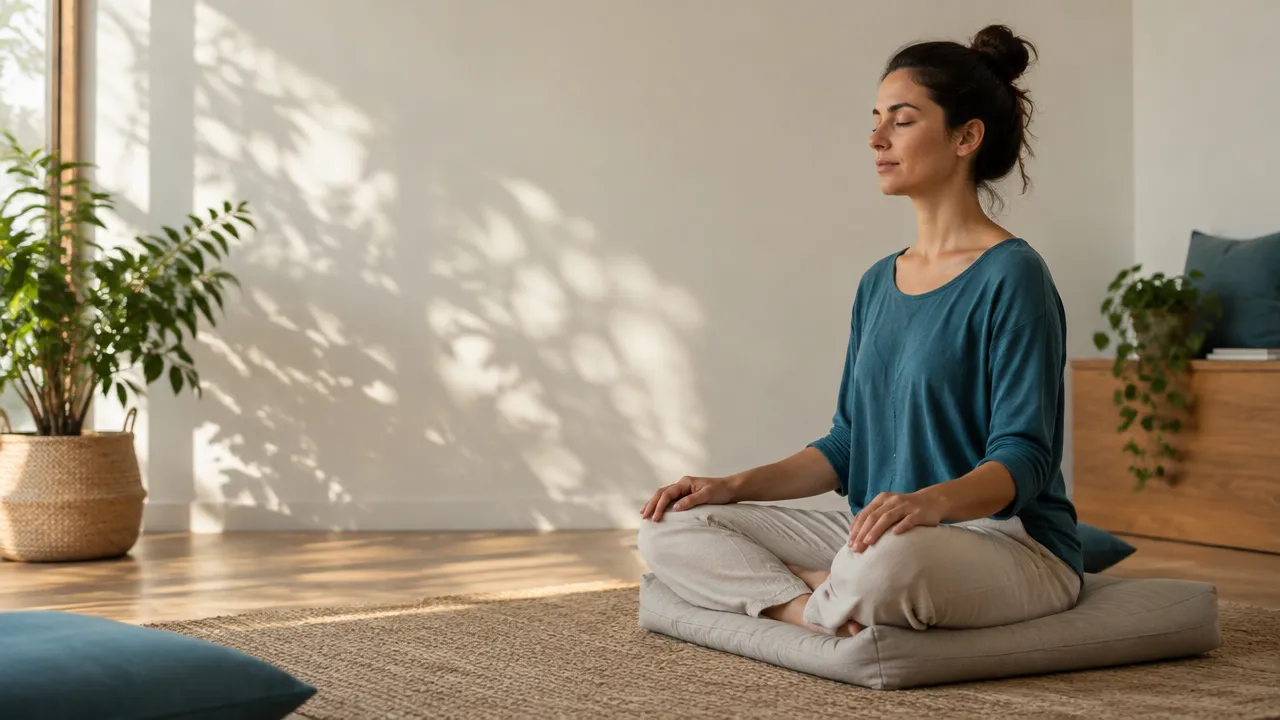
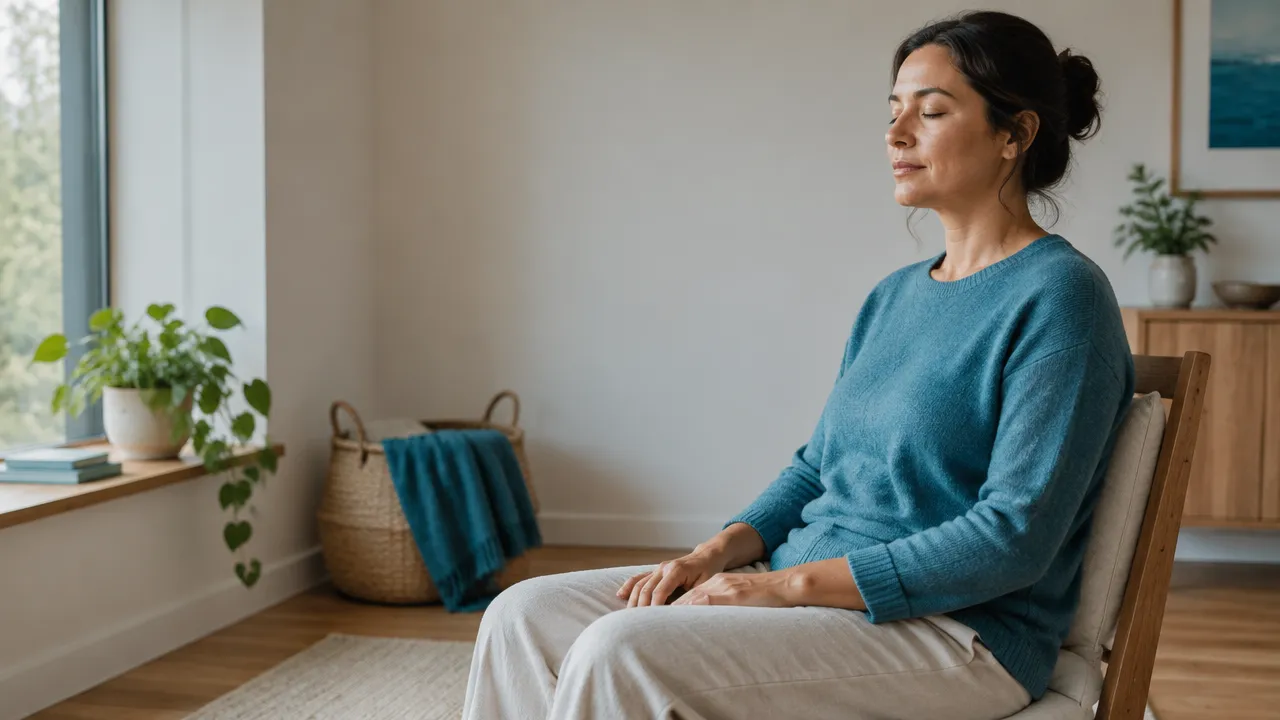
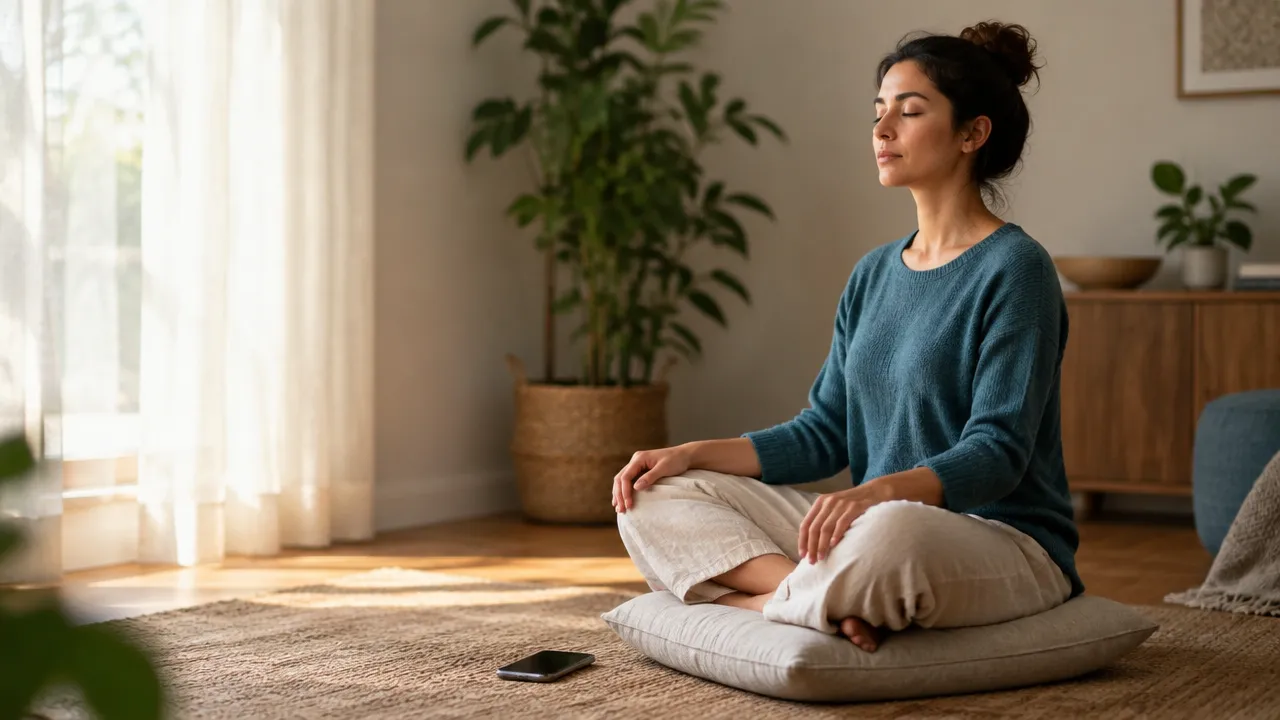
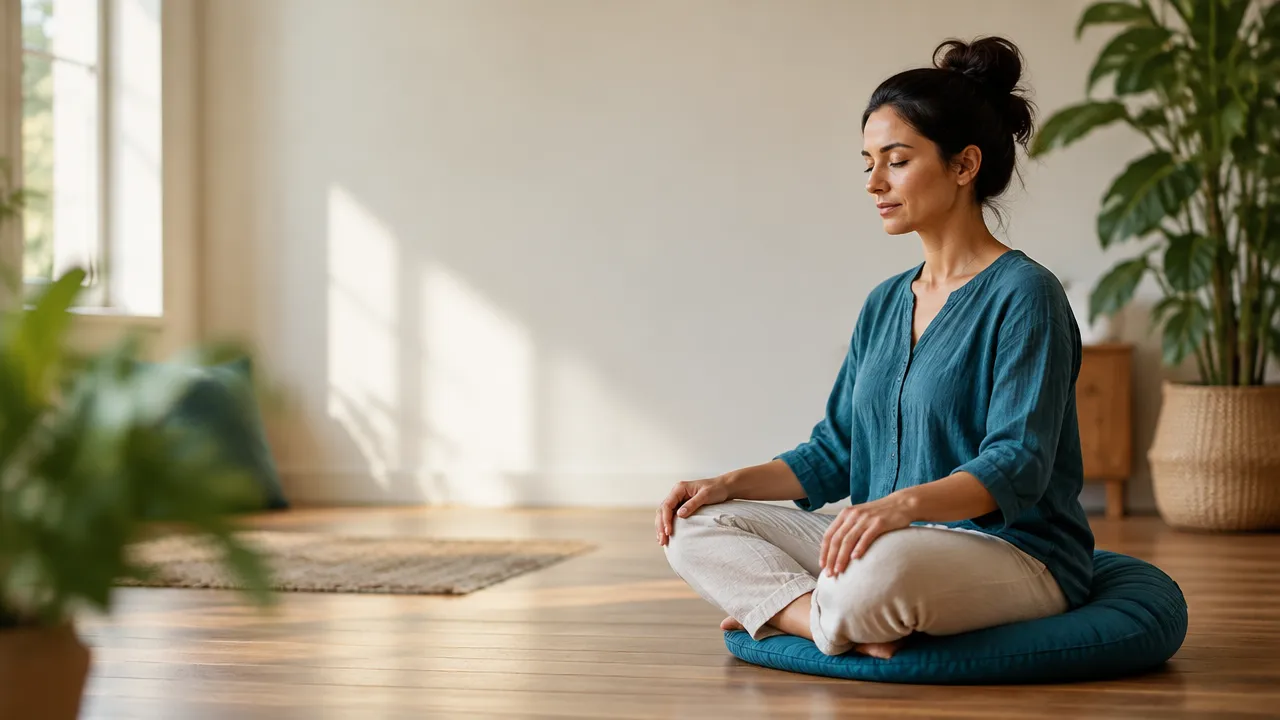
Start with five to ten minutes in a quiet place where you can sit comfortably. Use a chair or cushion; the posture should be alert but not strained. Let your hands rest naturally and allow your eyes to close or remain softly open.
- Notice the contact of your body with the chair, cushion, or floor.
- Feel the breath where it is easiest to detect, perhaps around the nostrils, chest, or abdomen.
- Stay with one natural breath at a time. Do not force it to become slower or deeper.
- When attention wanders, acknowledge that it wandered and return to the next breath.
- End by noticing your state of mind and the space around you before standing.
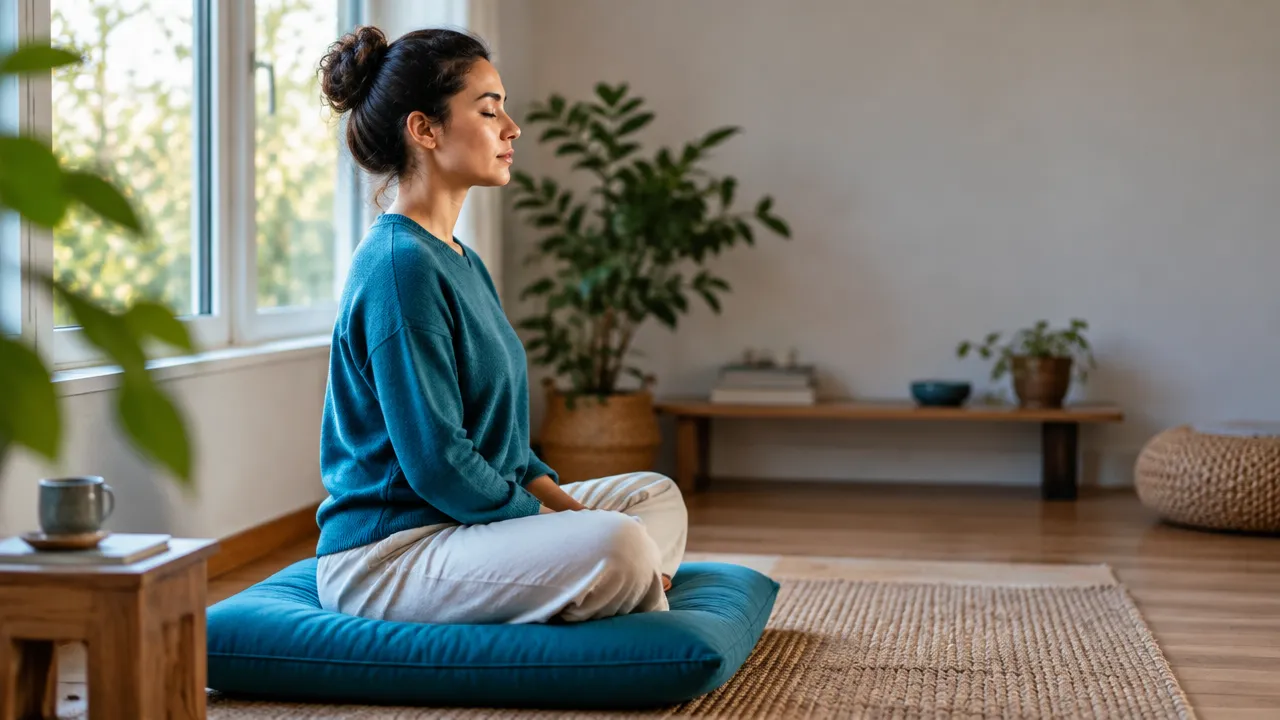
The return is the practice. Planning, sounds, memories, and restlessness are not proof that you are doing it wrong. They are experiences to notice. If you want to explore how meditation styles differ in their use of attention, read about distinctions between meditation and mindfulness.
How insight and loving-kindness broaden the practice
Once you can settle with the breath for a few minutes, you can try observing experience more openly. Notice a sound, sensation, or thought as it arises and passes. The instruction is to observe rather than immediately follow, suppress, or judge it. This can reveal how quickly experience changes and how reactions build.
Loving-kindness practice develops a different capacity. Silently offer simple wishes such as, “May I be safe,” then extend the same goodwill to someone you care about, a neutral person, and others more broadly. The phrases are prompts, not magic words; if they feel forced, return to the breath or choose gentler language. A reflection on compassion beyond the individual connects this intention with a wider sense of interdependence.
These methods can complement one another: steadiness helps you stay present, observation helps you see patterns, and goodwill shapes how you relate to what you notice. You do not need to master one before trying another, but changing methods every minute can make it harder to learn. Choose one approach for a few sessions before deciding whether it suits you.
Common difficulties and realistic expectations
A wandering mind is normal, and a successful session does not require uninterrupted concentration. Measure practice by whether you noticed what was happening and returned, not by whether every moment felt peaceful. Some sessions feel ordinary, uncomfortable, or restless.
- If you feel sleepy: Sit more upright, open your eyes, or try a time of day when you are more alert.
- If you feel tense: Relax your jaw and shoulders, shorten the session, or use a wider focus such as sounds.
- If painful feelings arise: Stop if needed, ground yourself in the room, and seek qualified support if distress persists.
- If you keep forgetting: Attach a brief session to an existing routine, such as after waking.
Regularity matters more than a dramatic experience. Five minutes that you can return to is a sound beginning. If practicing alone feels confusing, a welcoming group can offer structure; consider the practical differences between group and individual practice.
Carry awareness into ordinary choices
A sitting practice becomes more meaningful when it influences how you speak, listen, and act. After meditating, pause before moving on and choose one small way to embody attention: listen without interrupting, notice irritation before replying, or consider who may be affected by a decision.
This makes meditation more than a private exercise in calm. It can help connect inner awareness with ethical conduct and care for others, while keeping expectations grounded: practice offers an opportunity to respond more consciously, not a guarantee of perfect behavior.
Frequently asked questions
What are the two main types of Buddhist meditation?
Two commonly taught approaches are concentration or calm (samatha) and insight (vipassana), but they are not the only Buddhist meditation practices or always separate methods. Many traditions also teach loving-kindness, chanting, visualization, or other forms. For beginners, breath awareness offers a simple way to explore steadiness and observation.
Can meditation improve focus?
Meditation can train you to notice when attention wanders and gently return to a chosen focus, such as the breath. That makes it a practical way to exercise attention, though results vary and a session is not a test. Keep expectations modest and practice consistently rather than chasing instant concentration.
What is the golden rule of meditation?
The simplest rule is to notice what is happening and return gently, without treating distraction as failure. Buddhist meditation is not about forcing the mind to become blank. If you lose the breath, recognize that you were distracted, then begin again with patience and curiosity.
How long should a beginner meditate?
Start with five to ten minutes, once a day, and choose a time you can repeat. A short session practiced steadily is more useful for learning than an ambitious duration that feels difficult to maintain. When sitting feels familiar, add a few minutes if the practice remains comfortable.
What should you do after meditating?
Take a moment to notice your posture, mood, and surroundings before returning to your routine. You might set one intention for how to speak or act next, such as listening without interrupting. This gentle transition helps carry awareness beyond the cushion instead of treating meditation as separate from daily life.