
We often hear one simple question from people who want to build a meditation habit. Should we sit alone, or should we sit with others? It sounds like a small choice. It is not. The setting changes the pace, the feeling, and even the kind of insight that may rise during practice.
Community meditation and solo practice can both support calm, awareness, and emotional balance, but they do so in different ways.
We have seen this many times. One person feels held by a quiet room full of people breathing together. Another feels tense in that same room and only relaxes when the door closes and the house becomes still. Neither response is wrong. Meditation is personal, even when it is shared.
That is why it helps to compare both paths with honesty. Not to decide which one is superior, but to see which one fits our present moment.
What community meditation feels like
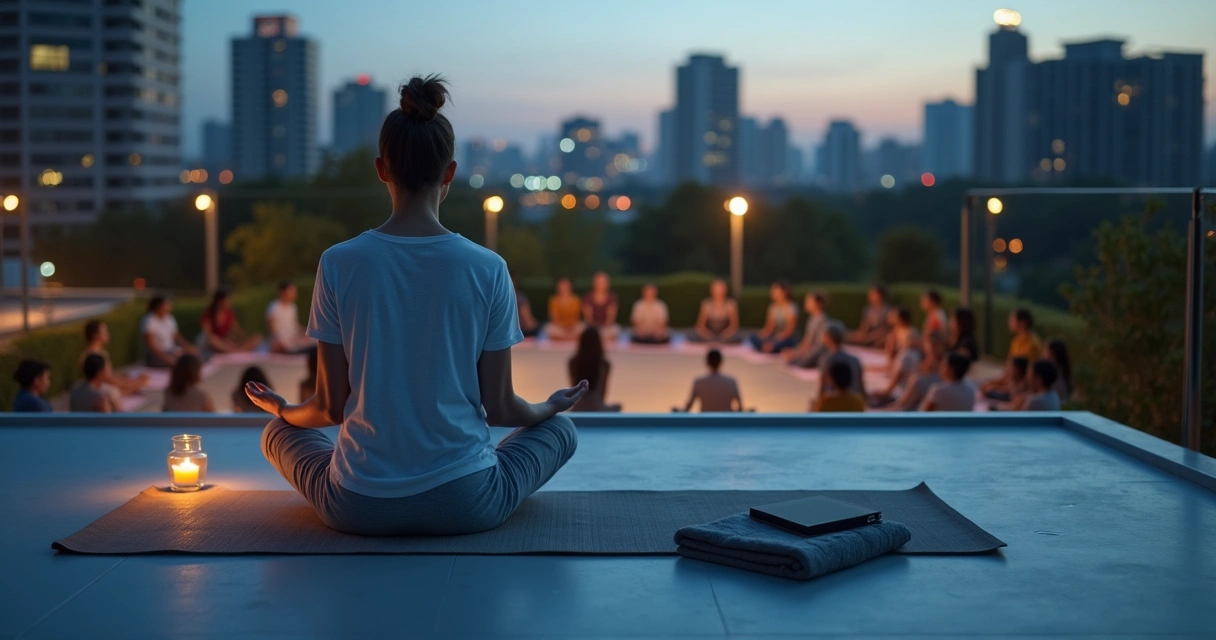
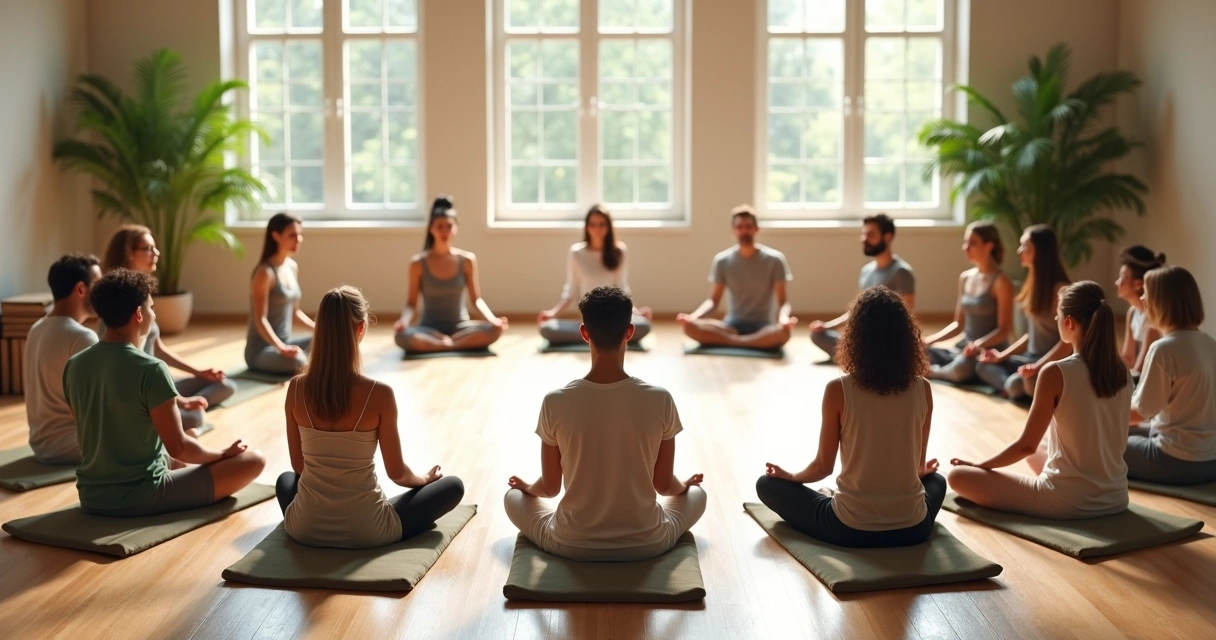
Community meditation happens when we practice with other people in the same space, or sometimes in a live shared session online. The group may be small, such as a few friends in a living room, or large, such as a hall full of people sitting in silence.
The first thing many people notice is the atmosphere. There is a form of shared intention in the room. We arrive carrying our own thoughts, but after a few minutes, the group rhythm often softens the noise inside us.
We sit alone. We settle together.
This shared field can help in several ways:
It gives structure through a fixed start time and a clear format.
It creates gentle accountability, which makes skipping less likely.
It reduces the feeling that we are doing it wrong, because others are also learning.
It may deepen focus, since the room itself supports silence.
There is also a human side that should not be ignored. We may walk in distracted, see others sitting quietly, and feel our body slow down. That shift can be immediate. For some, it is the first time meditation feels less like a task and more like a living practice.
Still, group settings can bring pressure. Some people become self-conscious. They worry about posture, breathing, or whether their mind is too busy. In those cases, the presence of others may make attention narrower, not freer.
What solo practice offers
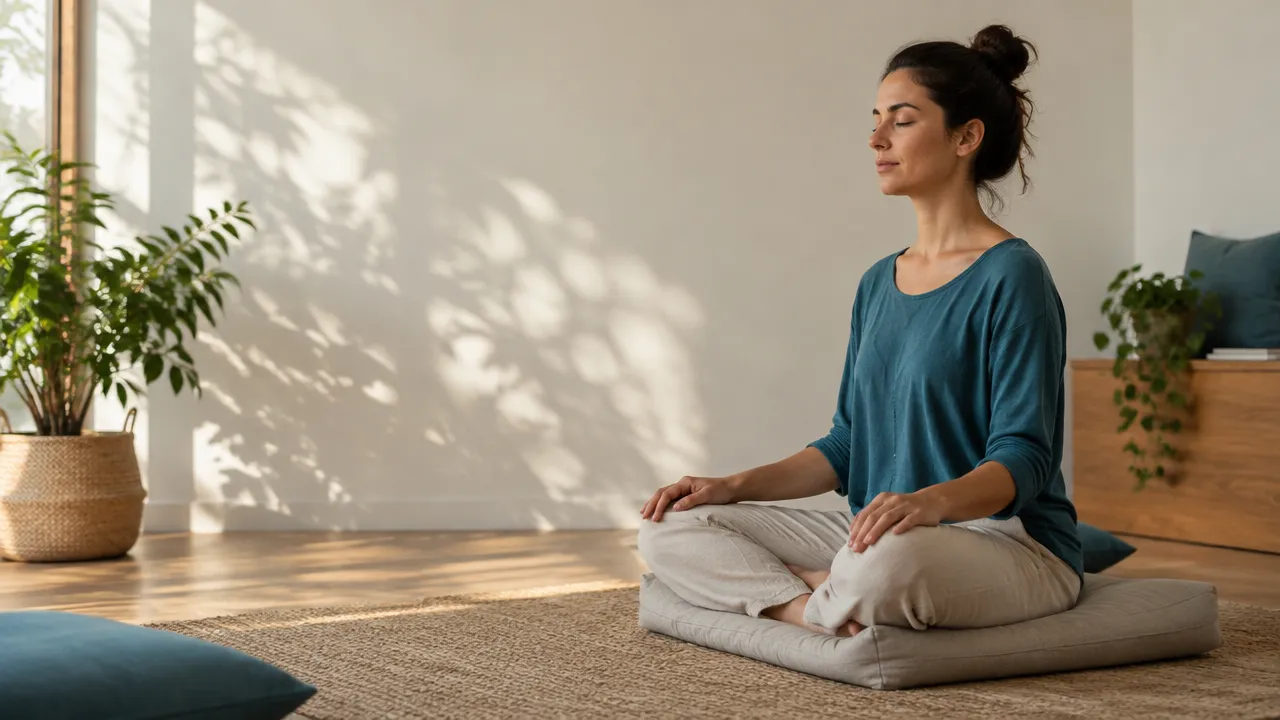
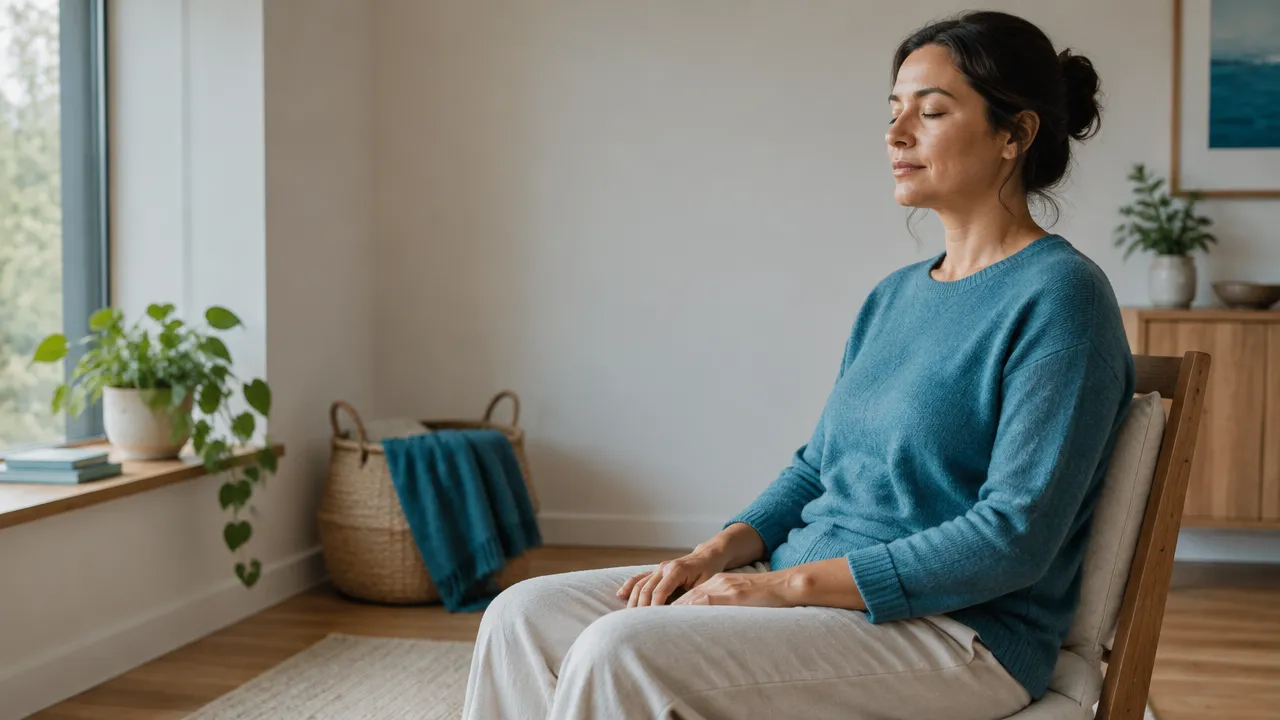
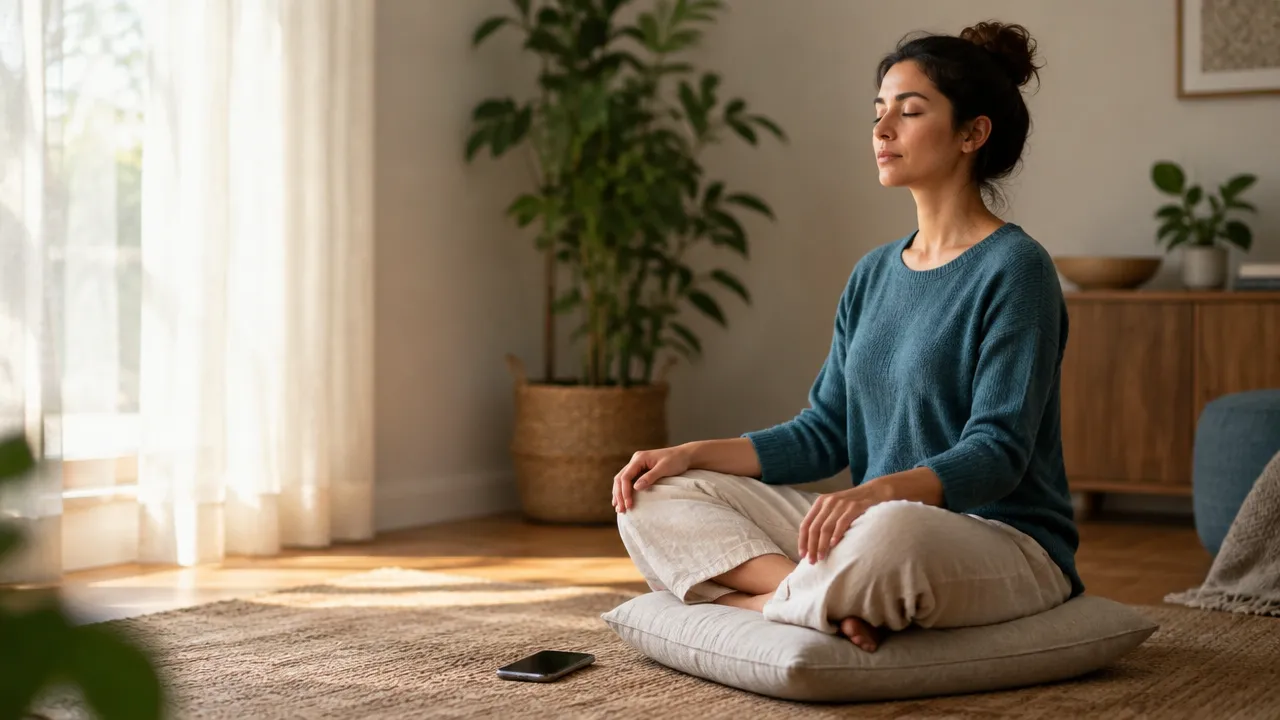
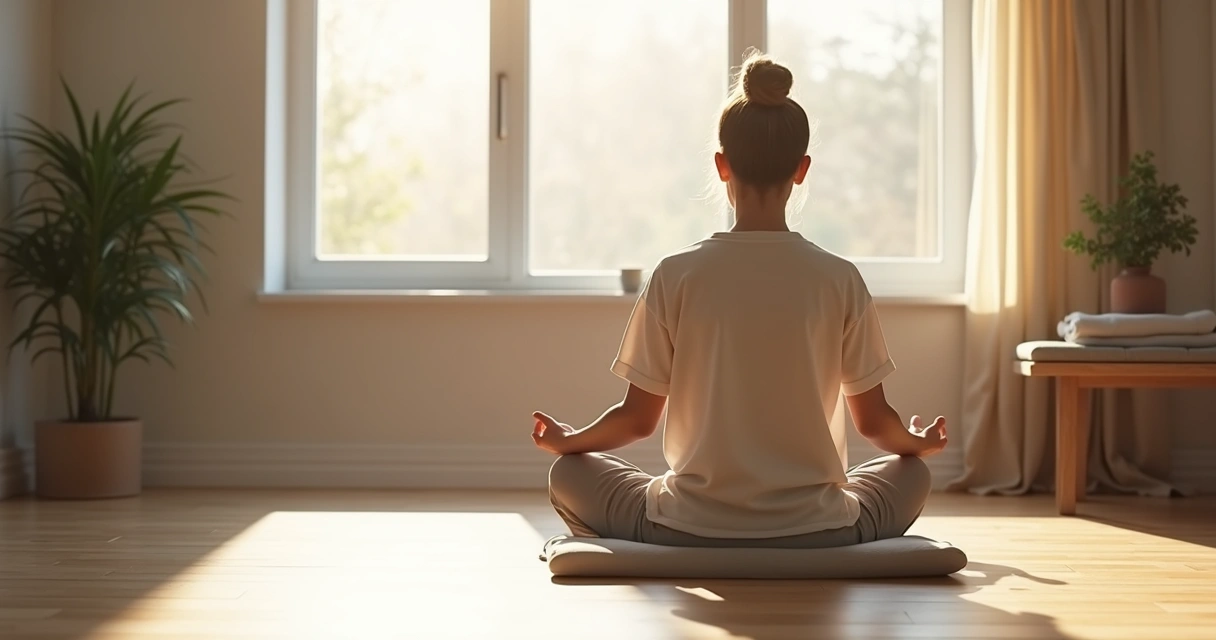
Solo meditation is simpler in one sense. We choose the place, the length, and the style. We may sit on a chair before sunrise, pause in the car before work, or breathe in silence at night after the house goes quiet.
Solo practice offers freedom, privacy, and direct contact with our own inner rhythm.
That freedom matters. Without the need to match a group, we can adjust meditation to real life. Some days call for ten minutes. Other days allow thirty. If tears come, we do not have to think about anyone watching. If restlessness appears, we can study it without social concern.
We also learn self-trust through solo practice. There is no one leading each step. We begin to notice what helps us settle and what distracts us. Over time, this can build maturity in practice.
But freedom has a cost. It is easy to postpone. Very easy. We tell ourselves we will meditate later, after one more task, one more message, one more cup of coffee. Then the day closes.
Solo practice also leaves us alone with our habits. That can be honest and powerful, but also hard. If our mind is busy, there is no group rhythm to support us.
How the effects compare
Many people assume group meditation must work better because it feels more formal. Yet the picture is more balanced than that. A 7-week university study comparing in-person guided group meditation with self-guided solo audio practice found that both approaches produced similar medium-to-large gains in trait mindfulness and emotion regulation. The same study also found no meaningful difference in perceived stress or overall well-being between the two formats.
This matters because it shifts the question. Instead of asking which form is better in absolute terms, we may ask which form we are more likely to practice with steadiness.
That is often where the real difference appears. The method that fits our life tends to become the method we continue.
Differences in motivation and discipline
We think this is where community and solo practice part ways most clearly. Not in value, but in support style.
In community meditation, discipline is partly shared. We show up because others will be there. The habit receives help from schedule, place, and belonging. For people who struggle with consistency, this can be a real gift.
In solo practice, discipline becomes inward. We set the time. We keep the promise. We return even when the session feels dull. This can build a stronger inner foundation, but it usually takes longer.
A simple way to see the difference is this:
Community practice supports outer consistency.
Solo practice supports inner ownership.
Both can lead to depth when practiced with patience.
We have seen people begin in groups, gain confidence, then continue alone with more ease. We have also seen the opposite. Someone starts alone, reaches a plateau, then joins a group and feels refreshed. Practice can change with season and need.
Emotional tone and social energy
There is another difference that often goes unnoticed. Group meditation carries social energy, even in silence. Some people feel safer in that. Others feel crowded by it.
When we meditate in community, we may feel supported during hard periods. After loss, stress, or confusion, it can help to be near others who are also choosing stillness. Shared silence can reduce isolation.
At the same time, solo meditation can be more intimate. It lets us meet thoughts and feelings without adjusting to a social field. If we need deep privacy, that space matters.
Community meditation tends to nourish connection, while solo practice tends to deepen self-observation.
Of course, this is not a rule. A person can feel profound self-awareness in a group and deep connection while sitting alone. Still, the tendencies are real enough to guide our choice.
Which one should we choose?
The answer may depend on what is missing in our life right now. If we need rhythm, support, and a reason to show up, community meditation may help more. If we need freedom, quiet, and room to learn our own pace, solo practice may fit better.
We do not need to treat this as a fixed identity. We can choose both in different proportions. For many people, that is the most balanced path.
Start with the setting that feels easiest to sustain.
Practice long enough to notice real patterns, not one-day reactions.
Adjust when life changes, not only when motivation drops.
Some mornings ask for solitude. Some seasons ask for company. Meditation can hold both.
Conclusion
When we compare community meditation and solo practice, we do not see a winner. We see two forms of support. One gives shared structure and belonging. The other gives freedom and inward honesty. Both can strengthen awareness, emotional steadiness, and presence when practiced with care.
The best choice is often the one that helps us return tomorrow. Then the day after that. Then again.
Frequently asked questions
What is community meditation?
Community meditation is the practice of meditating with other people in a shared setting, such as a studio, center, home group, or live online session. The group often follows a common start time, method, or period of silence.
How is solo meditation different?
Solo meditation is done alone, without a live group around us. We choose the place, time, and length of practice ourselves. It usually offers more privacy and flexibility, but it also asks for more self-discipline.
Is group meditation more effective?
Not always. Research and lived experience suggest that both group and solo meditation can bring strong benefits. Group practice may help with consistency and support, while solo practice may suit people who value independence and quiet. The better option is often the one we can maintain.
Where to find community meditation groups?
We can find community meditation groups in local wellness spaces, yoga studios, community centers, retreat spaces, universities, or through online event listings. Some groups meet in person, while others gather live online at set times.
Is solo meditation better for beginners?
It depends on the beginner. Some people feel more at ease starting alone because it is private and simple. Others learn faster in a group because the structure helps them stay with the practice. Beginners can do well with either format if the setting feels welcoming and realistic for daily life.