
In a world that rarely pauses, we find ourselves searching for anchors—ways to remain calm while the landscape changes around us. Years of interconnected living have taught us something simple but powerful: focused breathing is a thread that ties many cultures together. Across traditions, backgrounds, and beliefs, breath connects body, mind, and experience.
Breath carries both our local histories and our shared hopes for calm, clarity, and renewal.
We see meditative breathing as much more than a wellness trend. For countless generations, it has been a steady companion in both celebration and crisis, used by people everywhere—from bustling cities to quiet villages. It adapts, evolves, and invites anyone into its rhythm.
Breath as harmony: a bridge between cultures
It’s striking to witness how breathwork transcends borders. Even before science delved into the physiology behind breathing, people from Asia, the Middle East, Africa, the Americas, and Europe all developed rituals and techniques to quiet the mind. Each found in the inhale and exhale a place of refuge—a tool for focus, rest, or spiritual connection.
Recent studies, such as a comparative analysis of meditation breathing protocols, reveal that different methods share common benefits for heart health while also reflecting cultural uniqueness. For many, breathing is not just a practice—it’s a philosophy.
Breathe in the present, breathe out the past.
Nine meditative breathing approaches for cross-cultural calm
Over time, we have gathered and practiced breathing methods from various cultures. What unites these approaches is their promise: a measured breath can change our experience at any moment. Here are nine techniques, some ancient, some modern, all with the power to renew:
- Belly breathing (diaphragmatic breath)
This method centers on drawing breath deep into the belly, filling the lower lungs and gently expanding the abdomen. Practiced in both Asian and Western settings, it is a simple place to start for anyone feeling stressed or unfocused.
- Box breathing (square breath)
Often linked to yogic and military traditions, this rhythm involves four equal steps: inhale, hold, exhale, hold—each for the same slow count. It brings a sense of order and stability, even when the world feels chaotic.
- Alternate nostril breathing (nadi shodhana)
Coming from South Asian traditions, this method involves closing one nostril, taking a slow breath in, switching, then exhaling through the other. It feels almost ceremonial, weaving together focus, balance, and calm.
- Resonance breathing (coherent breathing)
In this approach, common to several cultures, we breathe in for about six seconds and out for six seconds. Gradually, the body enters a steady rhythm. Studies suggest that resonance breathing can balance the nervous system and settle the heart rate.
- Lion’s breath
Known in some Asian practices, lion’s breath involves inhaling deeply through the nose, opening the mouth wide, sticking the tongue out, and exhaling with a “ha” sound. It often sparks surprise, humor, and release.
- 4-7-8 breathing
With roots linked to pranayama (control of breath), this method involves inhaling for four counts, holding for seven, and exhaling for eight. We have seen how this practice can slow the mind, especially before sleep.
- Segmented breathing
Used in several sacred rituals, segmented breathing divides each inhale and exhale into small “segments” or pauses. For instance, inhale in four short sniffs, then exhale in four. This method builds awareness and resets the focus.
- Breath of fire (rapid diaphragmatic breath)
Employed in dynamic meditation systems, breath of fire uses quick, powerful exhales and passive inhales, repeated steadily. It is invigorating and can help shake off lethargy or cloudy thoughts.
- Humming bee breath
In this approach, humming is combined with slow breathing to create a soothing vibration throughout the body. Widely practiced in both Asian and African traditions, it calms the mind and relaxes facial muscles.
From individual to collective: shared breathing, shared calm
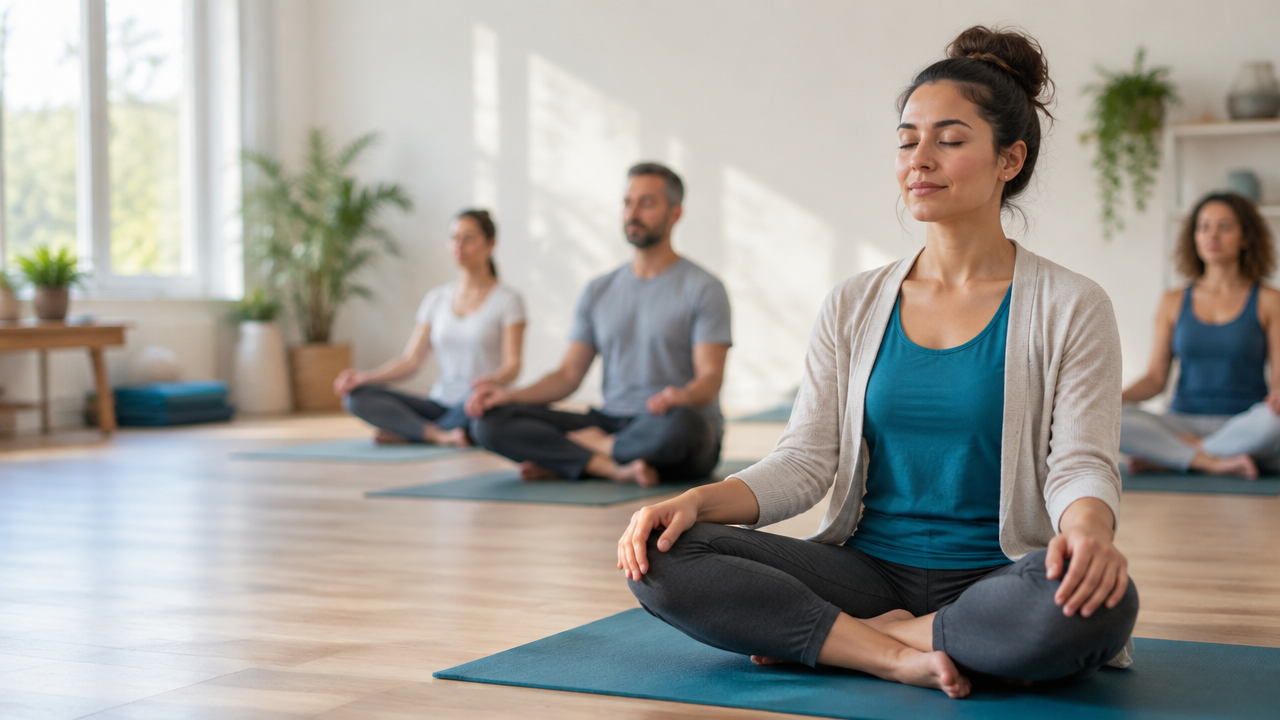
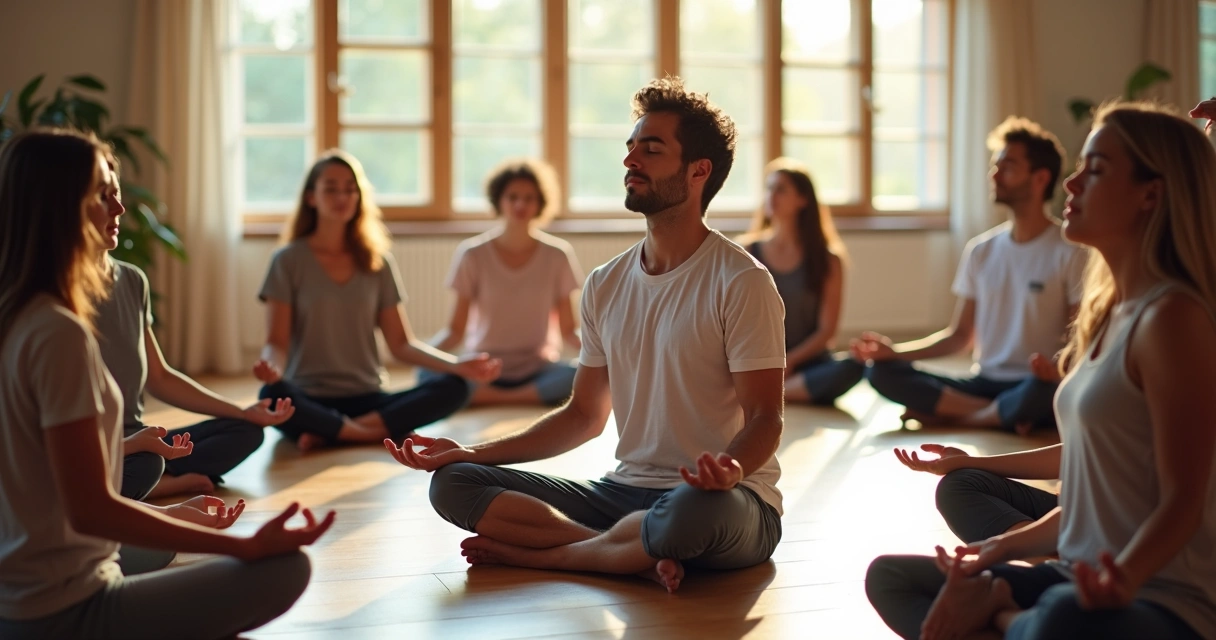
We have witnessed how gatherings for group meditation or breathwork often cross age, religion, or language. These shared practices can rapidly change the emotional climate of a room. For example, research based on 2017 U.S. survey data shows that millions practice yoga and related breathing or meditation techniques, with usage influenced by social factors and even psychological distress.
When a group shares a breath, connection happens—sometimes silently, always deeply.
Our experiences with global practitioners reveal that group breathwork often creates a subtle, shared stability. Without words, tensions soften. People leave these sessions often quieter, feeling more at ease.
Science and culture: how breathing changes the body
Independent of culture, breath influences the entire body. When we slow down and focus our breathing, we activate the parasympathetic nervous system. This helps lower blood pressure, relaxes muscles, and quiets the racing mind. The study comparing different breathing protocols found that unique techniques can change heart dynamics in measurable ways.
Some approaches, such as alternating nostril breathing or resonance breathing, appear to regulate not only heart rate but also emotional reactivity. These findings are reflected in many personal stories: from people in Mexico practicing controlled breath before public speaking, to teachers in India guiding students through calming rituals, or elders in African communities modeling slow, rhythmical breaths to young family members.
A calm breath brings a calm heart.
Making breathwork your own: gentle guidance for practice
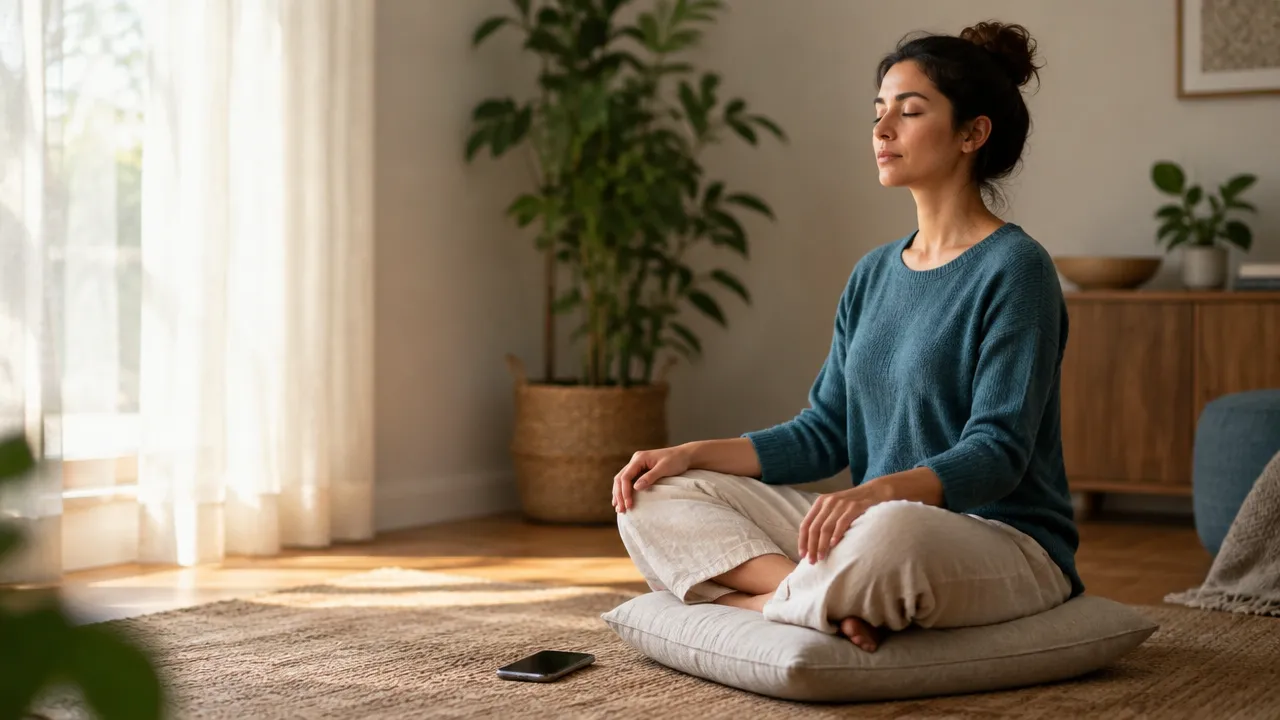
We always suggest starting gently and with respect for one’s own comfort and culture. Meditative breathing does not require any special setting, clothing, or belief. You can sit, stand, or walk; you can focus in silence, with soft music, or in nature. Here is a simple guideline for daily breathwork:
- Find a quiet, comfortable spot for a few minutes.
- Begin with natural breathing, noticing the air entering and leaving the body.
- Choose one technique, and try it for two or three breath cycles.
- If any dizziness or discomfort appears, return to natural breath.
- With time, lengthen the duration or frequency as you wish.
What matters is consistency. Breathwork is a companion, ready whenever we are.
Conclusion: breathing together, growing together
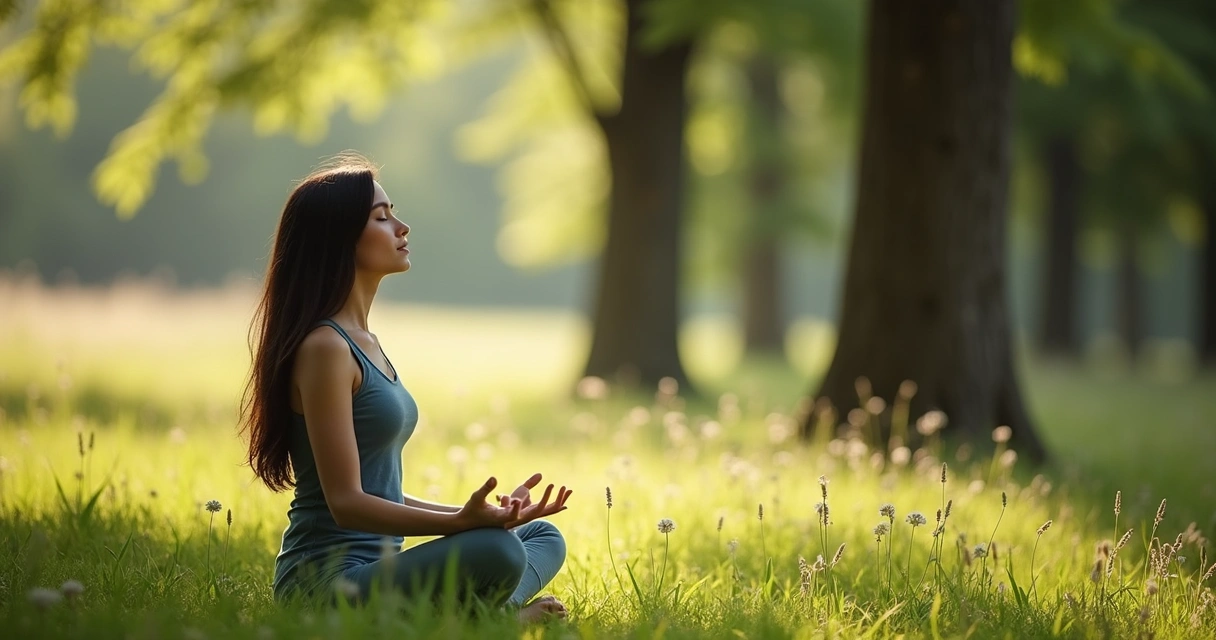
Our collective journey shows that breath has the power to connect us—not just to ourselves, but to each other. Each approach in this article is an invitation to experience calm in a way that honors your context, your story, your needs. As global challenges shift and cultures mingle, perhaps it is the humble breath that offers us our greatest point of unity.
Inhale the world. Exhale peace.
Frequently asked questions
What is meditative breathing?
Meditative breathing involves focusing on each inhale and exhale to calm the mind and relax the body. Different methods may use breath patterns, holds, or rhythms, but the goal remains the same: to create awareness and reduce tension, weaving together physical and emotional calm.
How to practice cross-cultural breathing techniques?
To practice cross-cultural breathing techniques, select a method that feels right for you—this might mean following clear steps like in box breathing or simply focusing on deeper, slower breaths as in belly breathing. Acting mindfully and with respect for the method’s origins can add a dimension of meaning to your practice. Start with a few minutes a day, sitting, standing, or even walking, and notice how your body and mind respond.
What are the nine breathing approaches?
The nine approaches are belly breathing, box breathing, alternate nostril breathing, resonance breathing, lion’s breath, 4-7-8 breathing, segmented breathing, breath of fire, and humming bee breath. Each has roots in different cultures and traditions and can be adjusted for comfort.
Is meditative breathing effective for stress?
Yes, research and countless personal experiences show that meditative breathing can lower stress levels. By activating the body’s calming nervous system, these techniques help regulate heart rate, settle anxious thoughts, and improve emotional balance. These benefits are supported by clinical studies comparing meditation breathwork.
Which cultures use meditative breathing most?
Meditative breathing is widely practiced in Asian, African, and Western cultures, often as part of spiritual or wellness rituals. In modern times, global surveys show people from all backgrounds and ages making breathwork a regular habit, with variations adapted to local customs and needs. For example, a large U.S. survey estimated millions engaged in yoga and related breathing or meditation, reflecting a cross-cultural embrace of these practices.