


We do not lose connection with collective values all at once. In our experience, it happens in small moments. We stop listening. We get harder in our views. We care less about how our actions affect other people. Then one day, we notice a kind of inner distance.
Collective values are the shared principles that help people live with respect, fairness, care, and mutual responsibility.
When we drift from them, life can still look normal from the outside. We may keep working, posting, talking, and moving through the day. Yet something feels off. Our reactions become sharper. Our patience becomes thinner. Our sense of belonging starts to fade.
We have seen this in quiet ways. A person says, “I do not want to deal with anyone anymore.” At first, it sounds like stress. Sometimes it is. But sometimes it is also a signal that the bond between personal life and shared human life is getting weak.
Below, we will look at eight warning signs that may show we are disconnecting from collective values, and what each one can mean.
1. We stop caring how our choices affect others
One of the first signs is indifference to impact. We start thinking only in terms of convenience, speed, or private gain. The wider effect of our words, spending, habits, and silence seems far away.
This does not always look dramatic. It may show up in daily acts:
Ignoring how rude speech harms a group
Dismissing public problems because they do not touch us yet
Treating common spaces with little care
When this pattern grows, empathy becomes selective. We feel concern only when pain is personal.
Distance begins in small permissions.
2. We feel irritated by other people’s needs
Shared values ask us to make room for others. That includes weakness, difference, delay, and emotional reality. When we are disconnecting, other people’s needs can start to feel like a burden.
We may become impatient with children, older adults, coworkers, or neighbors. We may roll our eyes at requests for care, access, fairness, or time. Instead of asking, “What is needed here?” we ask, “Why can they not just deal with it alone?”
If compassion feels like an inconvenience all the time, it may be a sign of emotional withdrawal from the common good.
3. We reduce people to labels
When connection is strong, we can hold complexity. We see that each person carries history, pain, hope, contradiction, and dignity. When connection weakens, we flatten people into categories.
This can happen in social debate, family conflict, or even private thought. We stop being curious. We decide too fast who is worthy of respect and who is not.
That shift matters because collective values depend on human depth. Once we reduce people to labels, it becomes easier to dismiss, shame, or exclude them.
4. We feel alone even when we are surrounded by people
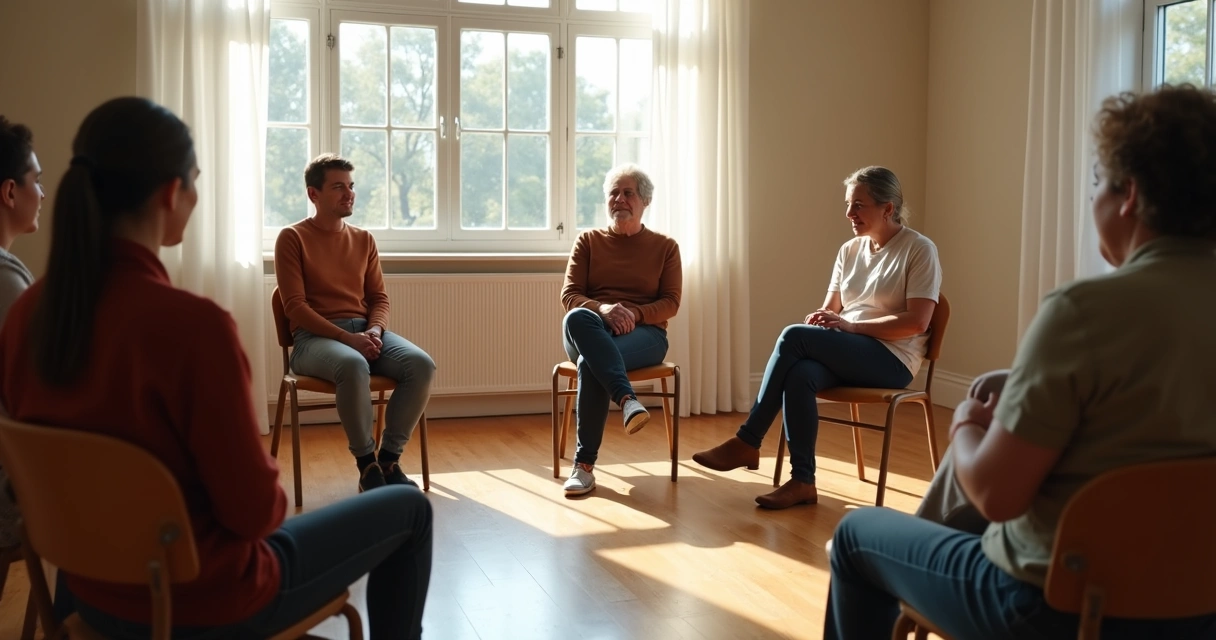
Disconnection from collective values often appears as social emptiness. We may still be around others, but the bond feels thin. Conversations stay shallow. Shared life feels weak.
That feeling is more common than many people think. Research reported by Harvard Graduate School of Education in 2024 found that 21% of U.S. adults feel lonely. Among those people, 67% do not feel part of meaningful groups, 65% feel disconnected from others or the world, and 63% feel their place in the world is unimportant.
We think these numbers point to more than loneliness alone. They also suggest a break in belonging, purpose, and shared human meaning.
5. We treat cynicism as wisdom
There is a kind of tired voice many of us know. It says, “People are selfish.” “Nothing changes.” “Why bother?” After enough disappointment, cynicism can feel smart. Safe, too.
But constant cynicism blocks participation. It keeps us from trust, service, and honest cooperation. It can also make contempt feel justified.
We are not saying we should ignore real problems. Clear thinking matters. Boundaries matter. Yet there is a difference between discernment and emotional shutdown. One sees reality. The other gives up on shared life.
Cynicism becomes harmful when it turns every common effort into something pointless.
6. We avoid responsibility for the social climate
Collective values do not live only in laws or institutions. They live in tone, presence, and daily behavior. The way we answer, interrupt, include, ignore, or support others shapes the emotional climate around us.
When we disconnect, we often act as if that climate is someone else’s job. We say harsh things and call it honesty. We spread tension and call it realism. We refuse repair and call it strength.
We once heard someone say, “I am just being myself.” But the room had gone silent. People were not reacting to honesty. They were reacting to carelessness. That difference is easy to miss when self-expression loses all sense of shared effect.
7. We no longer feel moved by suffering outside our circle
Another warning sign is narrowing concern. We care deeply for “our own,” but not for people beyond our family, group, class, nation, or worldview. Pain becomes real only when it is familiar.
This emotional narrowing has a social cost. It weakens solidarity and makes public life colder. In a large analysis of the 2024 U.S. Household Pulse Survey, about 12.7% of adults reported frequent loneliness and 20.6% reported frequent perceived social isolation. Higher rates appeared among young adults, identity minorities, people who were never married, and those with lower income or education.
When we read findings like these, we are reminded that suffering is unevenly carried. Shared values ask us to care even when a burden is not ours.
8. We lose the habit of reflection
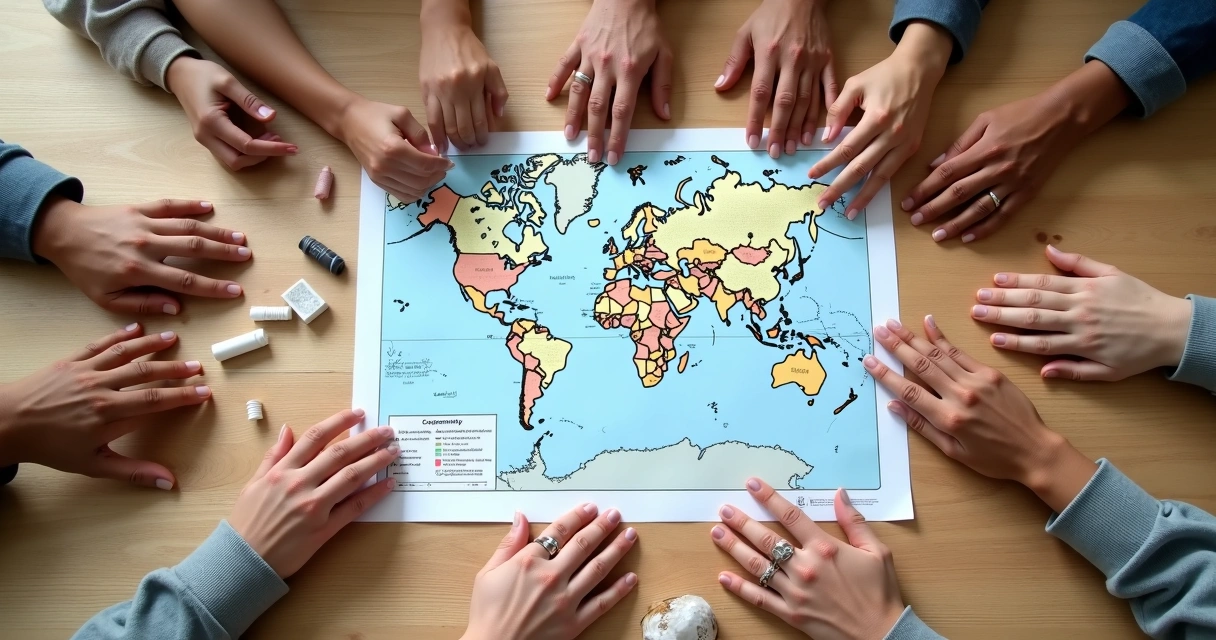
Disconnection grows faster when we stop examining ourselves. Without reflection, impulse leads. Resentment builds. Blind spots harden.
Reflection does not need to be complex. It can begin with a few honest questions:
How did we affect people today?
Where did we choose comfort over fairness?
What pain did we dismiss too quickly?
These questions can slow us down. They help us return to a wider sense of belonging. They also remind us that shared values are not abstract ideals. They are practiced in speech, attention, and restraint.
Conclusion
To disconnect from collective values is not to become evil. More often, it means we have become numb, defensive, tired, or cut off from the wider meaning of being human together. The good news is that awareness can interrupt that drift.
Reconnection starts when we notice where indifference, contempt, and isolation have entered our daily life.
From there, we can choose one honest act at a time. We can listen longer. We can judge slower. We can remember that private life and shared life are never fully separate. Every mature inner movement helps repair the space between us.
Frequently asked questions
What are collective values?
Collective values are the shared principles that support life in common. They include respect, fairness, care, responsibility, and concern for the effect of our actions on others. These values help groups, communities, and societies stay human in how they relate.
How do I know I’m disconnecting?
We usually notice it through patterns. We may feel less empathy, more contempt, or less concern for the wider good. We may grow impatient with other people’s needs, lose interest in belonging, or stop reflecting on our impact. These shifts often appear before we name them.
Why are collective values important?
They create trust and make shared life possible. Without them, relationships become harder, public spaces become colder, and suffering is easier to ignore. Collective values help us live with dignity, mutual care, and a sense that our choices matter beyond ourselves.
How can I reconnect with collective values?
We can reconnect by practicing attention and accountability. That may mean listening with more care, joining meaningful groups, reflecting on how we affect others, and making small choices that support fairness and respect. One steady action often does more than a large statement.
What are common signs of disconnection?
Common signs include emotional numbness, irritation toward vulnerability, cynical thinking, social emptiness, reduction of people to labels, and lack of concern for those outside our circle. Another sign is avoiding responsibility for the tone we bring into shared spaces.