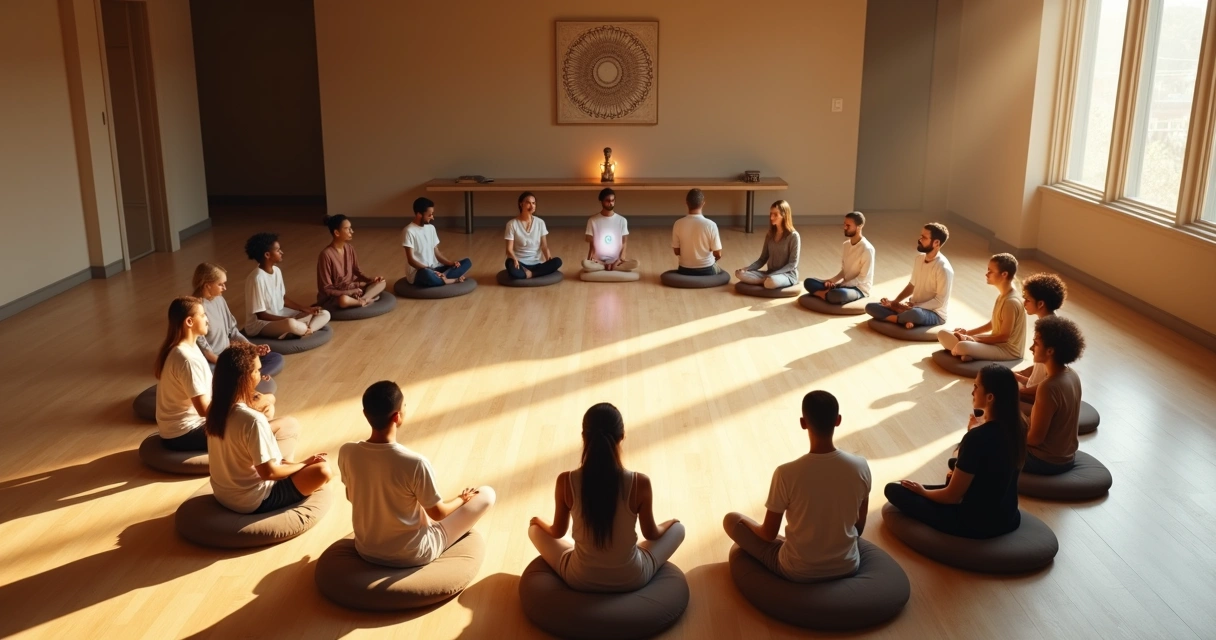
We often think of mindfulness spaces as naturally open, calm, and fair. That belief feels comforting. It also creates risk. When a group sees itself as already aware, it may stop noticing the subtle habits that exclude people.
Unconscious bias in mindfulness communities appears when people value some voices, bodies, stories, or styles of practice more than others without meaning to.
We have seen this happen in quiet ways. A teacher praises stillness but treats restlessness as lack of discipline. A group talks about compassion but ignores who can afford the retreat. A newcomer shares discomfort and hears, “Just observe it.” The room stays peaceful on the surface. Yet something has already closed.
Bias can wear a calm face.
Why bias hides so well in mindful spaces
Bias in these groups is often hard to spot because the language is gentle. People speak of presence, acceptance, and non-judgment. Those are worthy aims. Still, kind words do not remove blind spots.
Sometimes bias hides behind spiritual identity. If we see ourselves as conscious people, we may resist feedback that suggests otherwise. We may confuse a peaceful tone with fairness, or a shared ritual with true belonging.
In our view, this is one of the sharpest traps in group practice. The more a community believes it has moved beyond prejudice, the less ready it may be to notice exclusion in real time.
Research gives us a hopeful angle. A meta-analysis of mindfulness-based interventions across 70 samples and more than 9,000 participants found a medium negative effect on bias outcomes. This tells us mindfulness can help reduce bias. But it does not do so by magic. The practice has to be honest, grounded, and relational.
What to watch for in group culture
Bias usually shows up in patterns, not one dramatic moment. We suggest watching the small repeated signals that shape who feels safe, heard, and respected.
Some signs are easier to notice when we step back and look at the whole culture:
Only one type of life story is treated as a model of growth.
Financial, physical, or time barriers are brushed aside as personal issues.
Teachers respond warmly to some forms of emotion and coolly to others.
Direct feedback is labeled “ego,” “resistance,” or “lack of readiness.”
Silence is praised even when it protects discomfort in the group.
People from underrepresented backgrounds are welcomed visually but not heard deeply.
When we notice several of these together, we are not looking at an isolated misunderstanding. We are seeing a group norm.
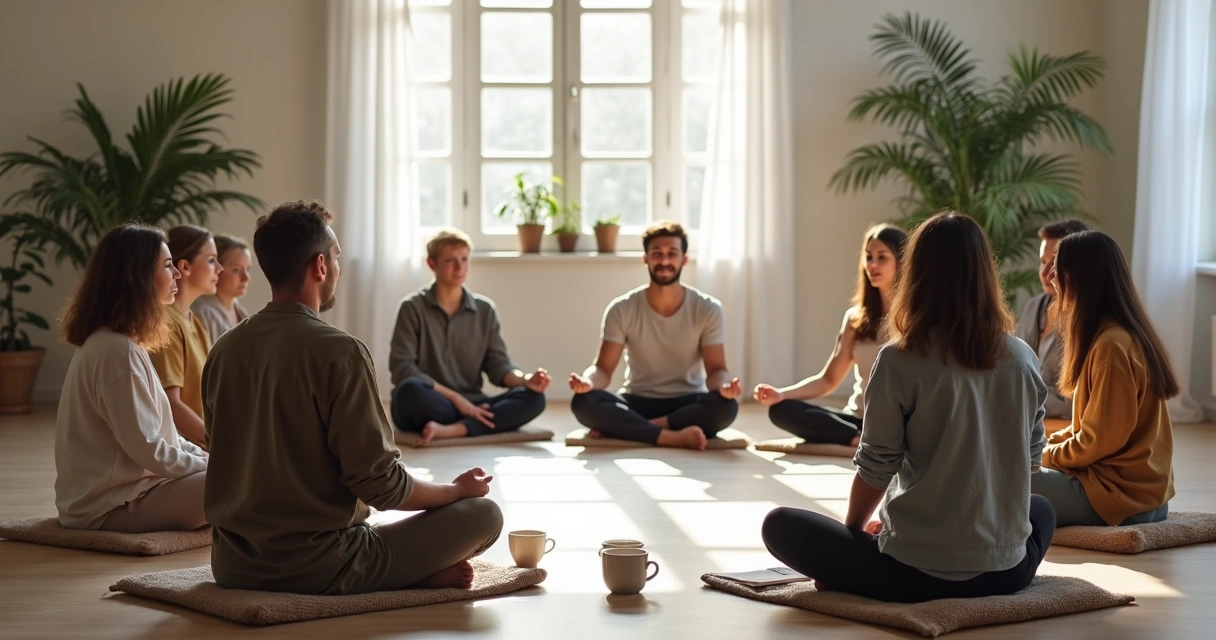
Bias in teaching, leadership, and feedback
A community may speak about equality while power stays concentrated in a narrow group. This matters because bias often travels through authority. Who gets trusted first? Who gets corrected faster? Who is seen as “deep” and who is seen as “difficult”?
One of the clearest signs of unconscious bias is uneven interpretation of the same behavior depending on who displays it.
We have noticed examples like these:
One person’s question is called thoughtful, while another person’s similar question is called disruptive.
Physical discomfort in one participant is met with care, but in another it is framed as lack of commitment.
A confident speaker is seen as mature if they fit the group norm, but as dominating if they do not.
There is also the issue of whose practice style counts as valid. Some communities quietly reward one posture, one voice, one pace, one way of processing pain. Yet people regulate stress differently. People pray differently. People hold silence differently. A mindful group that cannot make room for difference may become attached to sameness while calling it depth.
When language becomes a shield
Mindfulness language can support healing. It can also be used to dismiss lived experience. We should pay close attention when spiritual phrases end conversations instead of opening them.
For instance, if someone names exclusion and the reply is “That is your projection,” the group may be avoiding self-examination. If a person raises concern about access, race, class, age, disability, or culture and hears “We are all one here,” the statement may sound elevated while hiding a refusal to see real conditions.
When universal language erases real differences, it often protects bias rather than healing it.
A 2014 study on lovingkindness meditation training and decreased implicit intergroup bias suggests that some forms of practice can soften automatic prejudice. That is encouraging. It also implies that not all mindfulness spaces reduce bias equally. Intention matters. So does method.
Questions we can ask without blame
Spotting bias does not mean starting a moral trial. In our experience, communities learn more when they ask clear questions with humility.
We can begin with a simple review:
Who tends to lead, and who tends to serve quietly?
Who returns after the first visit, and who disappears?
Whose discomfort gets held with care?
What kinds of stories are praised from the front of the room?
Are costs, schedules, and formats workable for different lives?
These questions can shift a group from self-image to honest observation. That shift is not always easy. We may feel defensive. We may feel surprised. We may even feel embarrassed. That is normal. What matters is whether the community can stay present without becoming rigid.
How communities can respond well
Once bias is visible, the next step is steady action. Not grand statements. Not polished values on a wall. Small practices repeated over time usually change group culture more than lofty claims.
We recommend a few grounded moves:
Create feedback paths that do not punish honesty.
Review pricing, timing, and physical access with real people in mind.
Invite more than one teaching voice and more than one lived perspective.
Train leaders to notice defensive responses in themselves.
Use compassion practices that widen concern beyond familiar identities.
One sincere conversation can change the emotional climate of a group. We have seen it. A facilitator pauses, admits a blind spot, and listens without rushing to explain. The room softens. Trust begins there.
Conclusion
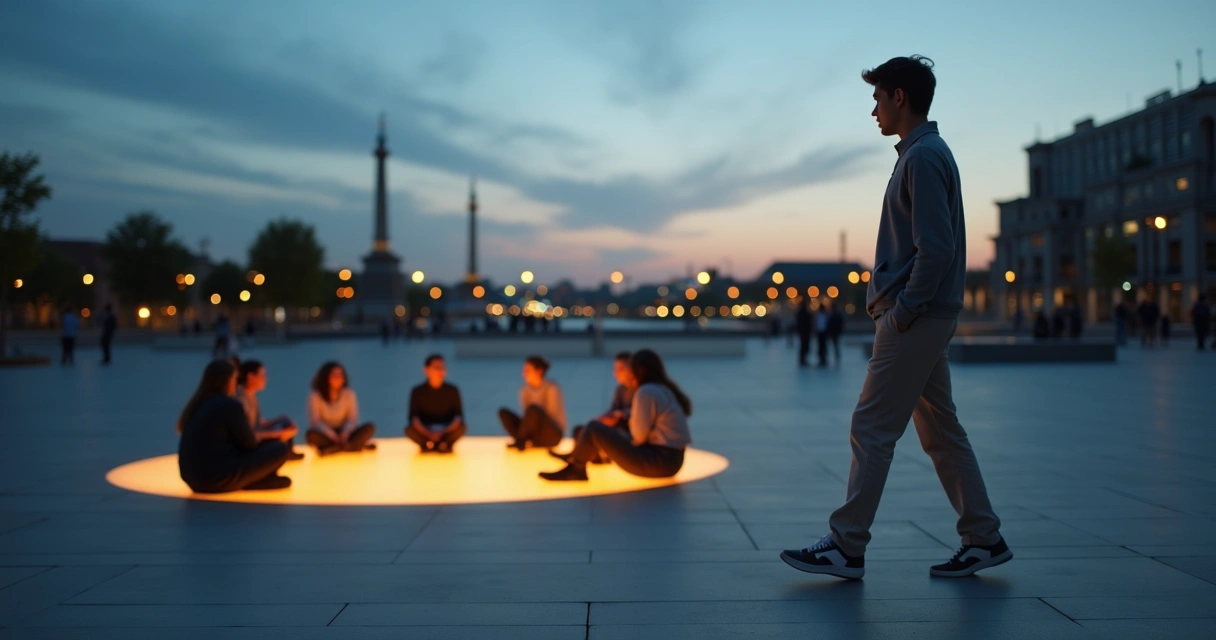
Mindfulness communities can become places of real care, but only if awareness includes social awareness. Silence alone does not remove bias. Ritual alone does not create fairness. We grow when we notice who is left at the edge of the circle and ask why.
If we want communities that reflect compassion, we have to practice compassion in structure, language, leadership, and response. That is how mindfulness becomes more than a private state. It becomes a shared ethic.
Frequently asked questions
What is unconscious bias in mindfulness groups?
Unconscious bias in mindfulness groups is the hidden tendency to favor certain people, behaviors, backgrounds, or ways of practicing without meaning to. It can affect who feels welcomed, who gets believed, and whose voice carries weight.
How can I spot unconscious bias?
We can spot unconscious bias by watching patterns. Notice who is interrupted, who gets praised, who leaves early, whose concerns are minimized, and whether one type of practice or personality is treated as the standard for everyone.
Why does bias matter in mindfulness communities?
Bias matters because it weakens trust and limits the healing value of the group. A community cannot support deep presence if some members feel unseen, judged, or quietly pushed to the margins.
What are signs of unconscious bias here?
Common signs include dismissing feedback as resistance, praising only one communication style, ignoring access barriers, reacting differently to the same behavior based on who shows it, and using spiritual language to avoid real social issues.
How can communities reduce unconscious bias?
Communities can reduce unconscious bias by listening to feedback without punishment, widening leadership voices, checking access barriers, reviewing group norms, and teaching practices that build empathy across difference. Change grows through repeated honest action.