

We live in a time when headlines reach us fast, often before we have taken a full breath. One alert appears. Then another. A strong opinion follows. Soon, our body is tense, our mind is crowded, and our mood has changed before the day has even begun.
We have seen this happen in ordinary moments. We sit down with coffee, check the news for five minutes, and rise feeling restless. Not because we are weak, but because polarizing news is built to trigger fast reactions. It pulls attention, sharpens conflict, and keeps us in a state of inner strain.
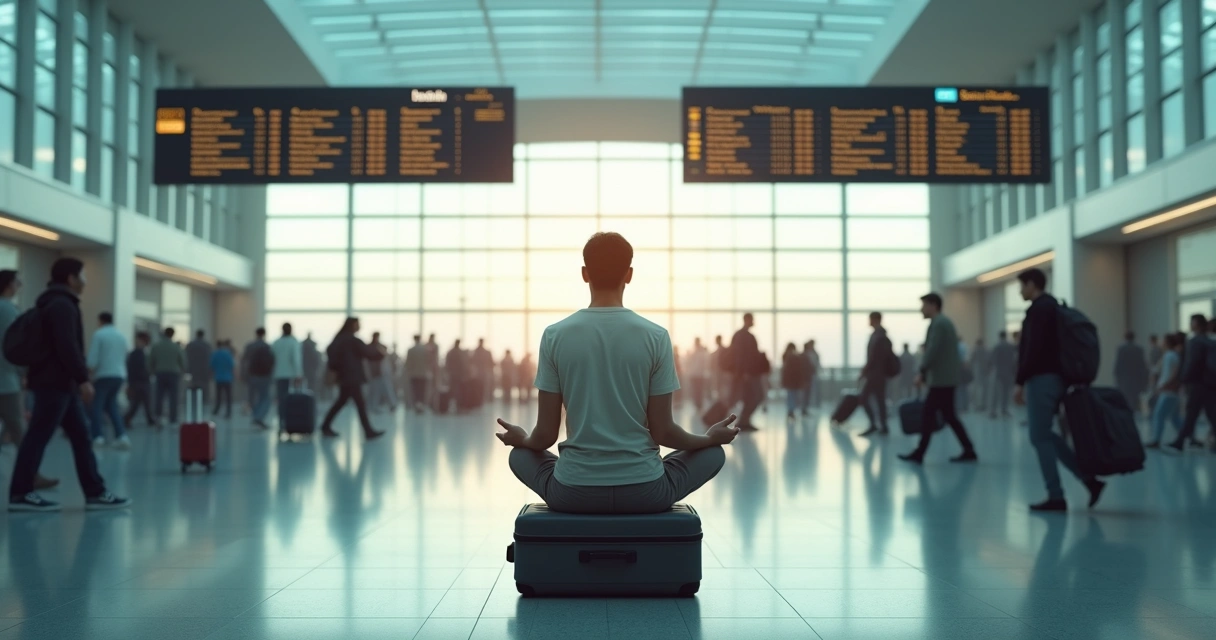
Mindful presence helps us read the news without letting the news take over our inner state.
This does not mean ignoring hard facts. It does not mean becoming passive. It means staying awake while also staying grounded. We can care deeply and still remain centered.
Why polarizing news affects us so deeply
Polarizing stories often frame people, events, and values in harsh opposites. Good or bad. Us or them. Safe or unsafe. This style of communication presses on the nervous system. It asks us to react before we reflect.
Recent findings from research on people’s strained relationship with news show that many adults feel worn out by the amount of news, and many have reduced how much they consume. That reaction makes sense. When news feels constant and emotionally loaded, fatigue follows.
Trust has also dropped. According to global reporting on trust in news, confidence in news remains low in many places. When trust falls and emotional intensity rises, readers can become both alert and lost at the same time.
Not every headline deserves our nervous system.
That is why mindful presence matters. It gives us a way to stay informed without feeding confusion, anger, or helplessness.
What mindful presence looks like in real life
Mindful presence is simple, but not always easy. It is the act of noticing what is happening inside us while we meet what is happening outside us. We read, listen, or watch, and at the same time we stay aware of breath, posture, emotion, and impulse.
We may notice our jaw tighten when a political story appears. We may feel heat in the chest when a social issue is framed in a harsh way. We may want to share a story at once, before checking facts or sensing our own state. That pause of awareness changes everything.
When we notice our reaction early, we gain choice.
Instead of being pushed by the emotional tone of the news, we become able to respond with steadiness. This is not cold distance. It is clear contact.

How to prepare before you read
Many people wait until stress rises before trying to calm down. We think it helps more to prepare first. A short reset before reading can shape the whole experience.
Here is a simple sequence we can use before opening the news:
Take three slow breaths and feel both feet on the floor.
Name your current state in one word, such as calm, tired, tense, or distracted.
Set a clear limit for time, such as ten or fifteen minutes.
Choose one purpose, like staying informed, checking one topic, or understanding a new event.
This brief ritual is not dramatic. That is the point. It gives the mind a frame and gives the body a signal of safety.
We have found that when we enter the news without intention, we are more likely to drift into emotional overload. When we enter with awareness, we are less easy to pull into cycles of outrage.
How to read without being consumed
Once we begin reading, the practice is to stay in contact with both content and body. If a story is intense, we do not need to force ourselves through it in one rush. We can pause and check what is happening inside.
Some signs that we are losing mindful presence include:
Reading faster and faster without taking in meaning.
Feeling the urge to argue with strangers online at once.
Jumping from one alarming story to another.
Feeling numb, angry, or drained after only a few minutes.
If these signs appear, we can stop for a moment. Look away from the screen. Relax the hands. Exhale longer than we inhale. This small break interrupts the chain reaction.
Mindful news reading is less about reading everything and more about staying present with what we read.
We can also ask a better question. Not “What should I react to?” but “What is true here, and what is this doing to my mind right now?” That question slows emotional capture and invites discernment.
Choosing boundaries without avoiding reality
Some people fear that limiting news means becoming uninformed. We do not see it that way. Boundaries can protect clarity. Constant exposure does not always lead to better understanding. Often, it leads to overload.
A healthier pattern may include:
Reading news at set times instead of all day.
Avoiding news right before sleep or right after waking.
Taking one day each week with very low news exposure.
Stepping back when the body shows signs of strain.
These limits help us stay in relationship with reality without being flooded by it. There is wisdom in restraint.

How to respond after difficult news
There are days when a story stays with us. It can sit in the chest for hours. On those days, what we do after reading matters a great deal.
We can choose actions that bring us back into balance:
Pause and name what we feel without judging it.
Move the body with a short walk or gentle stretching.
Talk with someone who values calm dialogue.
Write down one clear thought instead of many spinning thoughts.
We do not need to solve the whole world in one sitting. Sometimes the sane response is to digest what we have seen and return later with a clearer mind.
Pause first. Respond second.
Conclusion
Polarizing news will likely remain part of modern life. The question is not whether we will meet it, but how. We can meet it with rushed emotion, or we can meet it with steady awareness.
We believe mindful presence gives us a more humane way to stay informed. It protects our attention, helps us relate to facts with greater clarity, and lowers the chance that conflict in the news becomes conflict inside us. We still care. We still stay awake. But we do so with breath, limits, and self-awareness.
A calm mind is not disconnected from reality. It is better able to face it.
Frequently asked questions
What is mindful presence in news reading?
Mindful presence in news reading means staying aware of our thoughts, feelings, and body while we consume information. We do not read on autopilot. We notice tension, urgency, or emotional pull as it happens, which helps us respond with more clarity.
How can I stay calm with polarizing news?
We can stay calmer by slowing down before we read, taking breaks during intense stories, and checking our physical state. A few slow breaths, time limits, and less exposure late at night can reduce stress and help us remain steady.
What are the best tips for mindful news?
Some of the best tips are setting a purpose before reading, choosing fixed times for news, noticing body signals, pausing when emotions rise, and avoiding endless scrolling. These habits support awareness instead of reactivity.
How to avoid stress from controversial news?
We can lower stress by reading in short periods, stepping away when we feel overloaded, and giving the body a reset after hard stories. Walking, breathing, journaling, or speaking with a calm person can help release tension.
Is it worth it to limit news exposure?
Yes, in many cases it is. Limiting exposure does not mean ignoring reality. It can help us stay informed with a clearer mind and reduce the fatigue that comes from constant alerts and emotional overload.