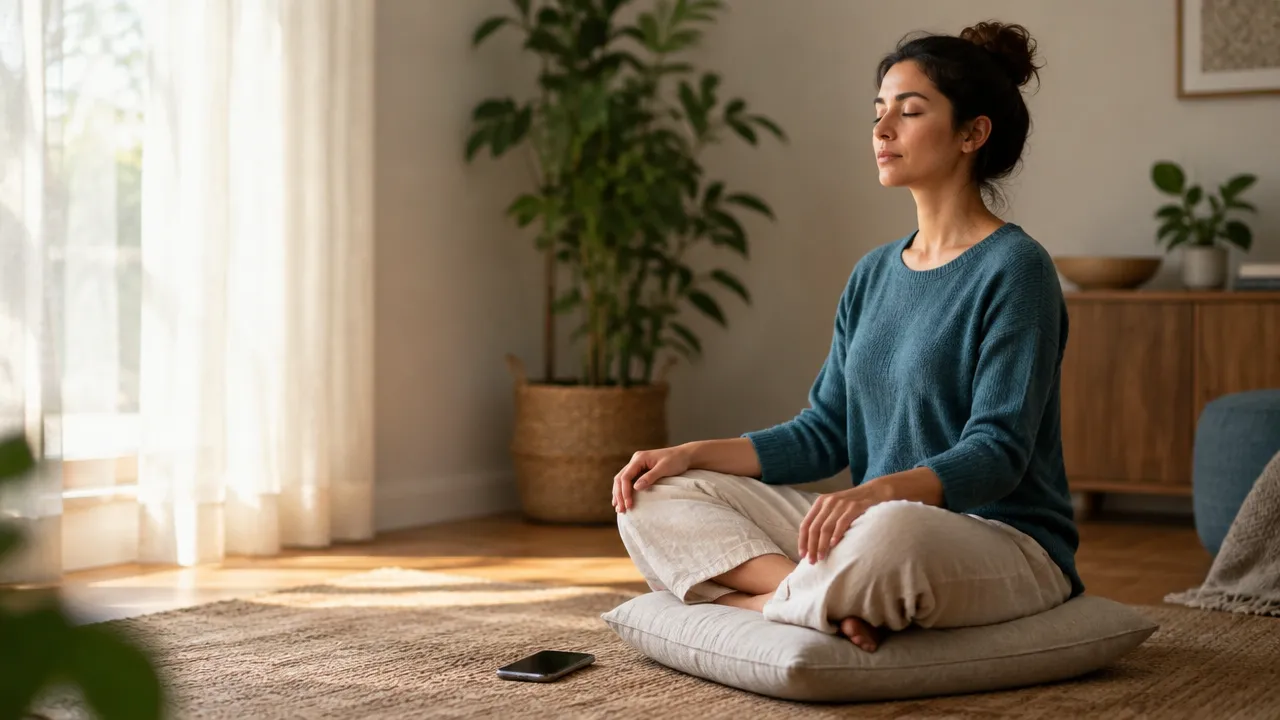


Living with chronic pain can change the shape of a day. We may wake up tired, move carefully, and feel tension before the morning has even started. In our experience, this is why meditation can feel both attractive and hard. People often want relief, but the idea of sitting still with pain may sound like too much.
Meditating with chronic pain is not about ignoring pain. It is about changing our relationship with it.
That shift matters. Pain is physical, but it also pulls in fear, frustration, fatigue, and sometimes grief. A person feels the body, then reacts to the feeling, then reacts to the reaction. It can become a loop. Meditation helps us notice that loop with more space and less panic.
Pain is real. Struggle can soften.
What meditation can and cannot do
We think it helps to start with honesty. Meditation is not a magic fix. It does not promise that pain will disappear. It also does not replace medical care, physical therapy, or pain treatment. What it can do is help reduce the mental and emotional load that pain carries.
A systematic review and meta-analysis of 38 randomized controlled trials found that mindfulness meditation was linked with a small reduction in pain and with gains in depression symptoms and quality of life for people with chronic pain. That may sound modest, but for someone who hurts every day, small changes can have real weight.
We have seen that many people expect meditation to bring immediate calm. Then they feel they failed when the pain is still there. That is one of the first myths to let go of. Meditation is practice, not performance.
Why meditation helps the pain experience
Chronic pain is more than a signal from the body. It also includes attention, memory, emotion, and expectation. When we tense around pain, hold our breath, or tell ourselves it will never stop, the whole system gets louder.
Meditation can help lower reactivity, even when the pain signal is still present.
Research supports this view. A randomized controlled trial with 109 patients found that a standardized mindfulness meditation program improved pain, physical and mental function, pain acceptance, and health-related quality of life in people with nonspecific chronic pain. Another systematic review of mindfulness interventions reported reductions in pain intensity and better quality of life.
There is also a body-based side to this. According to research funded by the NCCIH, mindfulness meditation appears to reduce pain through pathways that differ from opioid neurotransmitters. We find this encouraging because it suggests meditation is not just a vague comfort. It can affect pain in a distinct way.
How to start when sitting still hurts
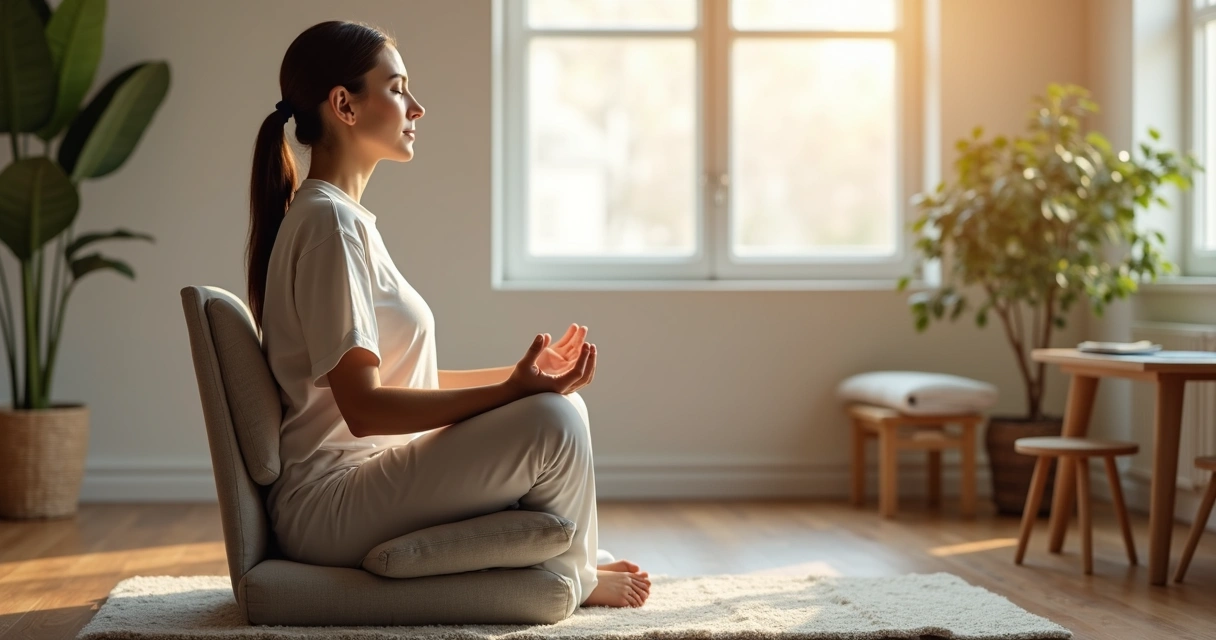
This is where many people get stuck. They picture a silent room, a straight back, crossed legs, and no movement. For someone with chronic pain, that setup may be wrong from the start.
The first step is permission. We do not need to meditate in one posture. We do not need to stay still if stillness increases suffering. We can begin with positions that support the body rather than test it.
Helpful options include:
Sitting in a chair with the feet on the floor
Lying down with pillows under the knees or neck
Reclining on a sofa with support under the arms
Walking slowly for a few minutes with attention on each step
We often suggest starting with two to five minutes. Short is fine. In fact, short can be wise. A brief practice done gently is better than a long session that leaves the body upset.
Best meditation styles for chronic pain
Not every technique feels good for every person. We usually encourage a simple trial period, with curiosity instead of pressure. A few styles tend to work well.
One approach is breath awareness. We place attention on the breath without trying to force deep breathing. Just feeling air move in and out can create steadiness.
Another is body scanning. This means moving attention slowly through the body, noticing sensations without rushing to label them as good or bad. For pain patients, though, a full body scan can be too intense at first. A partial scan may be kinder.
We also find value in anchor-based meditation, where attention rests on one neutral point, such as the hands, sounds in the room, or contact with a chair. This can be useful when pain in one area feels overwhelming.
These methods often help:
Breath awareness for settling the mind
Body scan for noticing tension and softening around it
Loving-kindness practice for easing self-criticism
Walking meditation for people who feel worse when still
The best meditation for chronic pain is the one the body can tolerate and the person can repeat.
What to do during a pain flare
A flare can make meditation feel impossible. We know that feeling. In those moments, the goal should not be deep focus. The goal is steadiness.
During a flare, we can simplify the practice into a sequence:
Name what is happening: “Pain is strong right now.”
Loosen one area that is bracing, such as the jaw or shoulders.
Shorten the practice to one minute if needed.
Shift attention between pain and a neutral sensation, like the feet.
Years ago, one of us worked with a person who believed meditation meant staying with pain no matter what. Each session became a battle. Once she learned to move attention gently, pause, and adjust posture, the practice changed. Not because the pain vanished. Because the fear around it eased.
Gentle attention is still attention.
Common mistakes to avoid
Many people are too hard on themselves when they begin. That adds strain to an already strained system. We suggest watching for a few common traps.
Forcing a posture that increases pain
Treating wandering attention as failure
Trying to push pain away instead of noticing it
Starting with sessions that are too long
Skipping practice until pain becomes unbearable
Consistency helps more than intensity. A few minutes most days can be more useful than one long session once a week.
When to be careful
Meditation is generally safe for many people, but we should still be sensible. If pain spikes sharply in a certain posture, change it. If closing the eyes increases distress, keep them open. If meditation brings up trauma, panic, or strong emotional overwhelm, it may help to work with a qualified health professional.
We also believe pain should be medically assessed when needed. Meditation supports care. It does not replace diagnosis, treatment, or urgent help.
Conclusion
Meditating with chronic pain asks for patience and honesty. It is not a test of toughness. It is a way to meet the body with less fear, less struggle, and more skill. Some days the practice will feel steady. Some days it will feel messy. Both count.
If we stay gentle, adapt the posture, and keep the sessions realistic, meditation can become a real support for life with pain. Not perfect relief. Not instant change. But often, a little more space to breathe and live.
Frequently asked questions
What is meditation for chronic pain?
Meditation for chronic pain is a mental practice that helps us observe pain with less tension, fear, and resistance.
It may include breath awareness, body scanning, kind attention, or mindful movement. The aim is not to deny pain, but to reduce the stress and emotional strain that often make pain harder to bear.
How can meditation help with pain?
Meditation can help by calming reactivity in the mind and body. When we stop bracing so hard against pain, the experience may become less overwhelming. It can also improve mood, acceptance, and quality of life, which matters a lot in long-term pain conditions.
Is it safe to meditate with pain?
For many people, yes, especially when the practice is adapted to the body. It is safer to choose comfortable positions, keep sessions short, and stop forcing stillness. If meditation causes strong distress or the pain pattern changes suddenly, medical guidance is a good next step.
What are the best techniques for pain?
We often recommend breath awareness, short body scans, loving-kindness meditation, and walking meditation. The best choice depends on the person. Some need stillness, while others do better with movement and external anchors like sound or touch.
How often should I meditate for pain?
We usually suggest starting with two to five minutes a day and building slowly. Daily practice often works better than long, occasional sessions. The goal is to create a steady habit that the body and mind can accept without strain.