

Ecopsychology explores how human well-being is connected to the natural world, and how environmental change can affect emotional life. It offers a useful perspective for anyone who wants to feel more grounded without treating nature as a cure-all. The practical lesson is to build regular, accessible contact with nature while recognizing that personal well-being and the health of shared environments are linked.
Key insights about nature and well-being
- Nature may support well-being through stress relief, physical activity, social connection, and a sense of restoration.
- Environmental loss can bring real distress, including eco-anxiety and ecological grief.
- Brief, repeated nature experiences can be more realistic than waiting for a retreat or wilderness escape.
- Access, safety, disability, culture, and neighborhood conditions shape who benefits from green space.
- Nature connection can complement mental health care, but it does not replace it.
Ecopsychology treats well-being as relational
Ecopsychology examines the two-way relationship between human psychological life and the living world. It asks not only how a park or forest may affect a person, but also how beliefs, emotions, and habits influence how people treat the environments they depend on.
The term gained wider recognition through cultural historian Theodore Roszak’s 1992 book The Voice of the Earth. The field brings psychological questions into conversation with ecology, while recognizing that the emotional and cultural meaning of nature differs across people and communities. This broader view connects personal awareness with planetary compassion and responsibility.
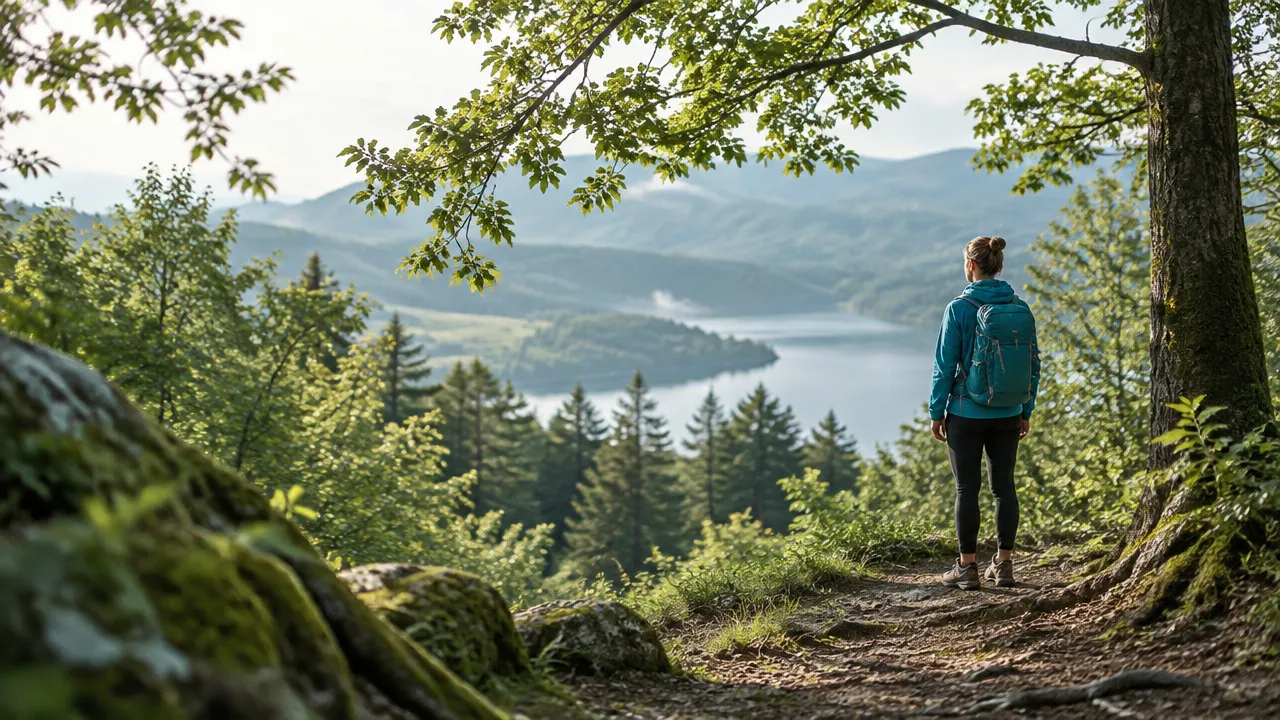
Nature can support well-being through several pathways
Green space can offer more than a pleasant view. The World Health Organization identifies psychological relaxation, stress alleviation, physical activity, social cohesion, and reduced exposure to pollution, noise, and excessive heat as pathways through which urban green spaces may support health.
A systematic review of 26 studies found that links between green space and mental well-being may involve air quality, perceived stress, and physical activity. The review also noted that evidence for effects on mental illness was mixed, so it is more accurate to say that nature can support well-being than to promise that it prevents or cures a condition. The WHO review of urban green spaces also emphasizes that the design and availability of these places matter.
Environmental distress deserves care, not dismissal
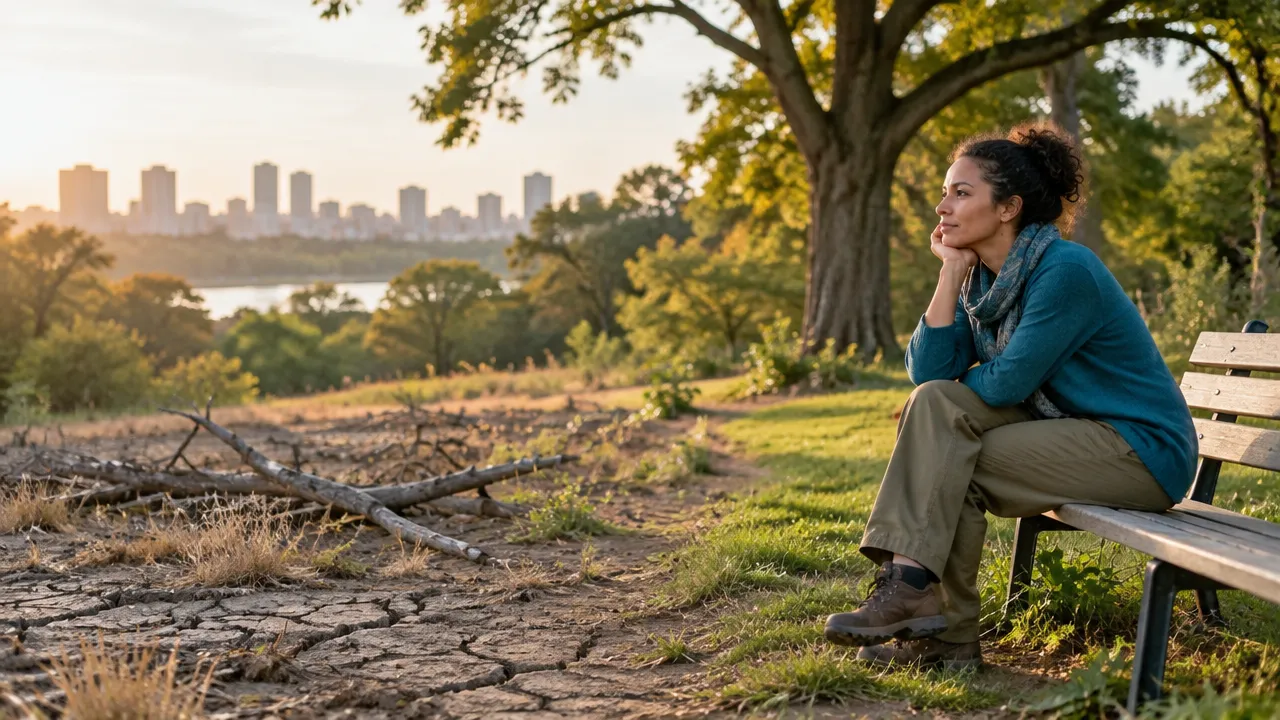
Worry about environmental change can be a reasonable response to perceived threats, not proof that someone is overreacting. Eco-anxiety may involve persistent fear or worry about climate change, while ecological grief can follow the loss of a place, species, or familiar way of life. Solastalgia describes distress connected to environmental change in a place that feels like home.
A 2024 systematic review included 35 studies with 45,667 adults and found that eco-anxiety was associated with psychological distress and symptoms of anxiety, depression, and stress. These findings describe associations, not proof that eco-anxiety causes a disorder. If environmental concern becomes overwhelming, limits daily functioning, or leaves someone feeling isolated, talking with a qualified mental health professional can help. Some people also find meaning in mindful ways to face climate anxiety alongside supportive relationships and practical action.
Small, repeated encounters make nature connection practical
Regular contact with nearby nature can be more sustainable than expecting one long escape to resolve stress. A 2025 review of 78 studies involving adults with mental illness found that shorter nature exposures repeated over time showed positive effects, though results differed across participants and study designs. The authors noted that even 10 minutes outdoors may help some adults, but this is not a universal dose or a treatment prescription.
Try a simple routine that is flexible enough to fit real life:
- Choose a place you can reach safely, such as a shaded street, garden, park, courtyard, or waterside path.
- Spend a few minutes noticing sensory details, such as birdsong, wind, light, or the texture of leaves.
- Return regularly and observe what changes, without needing to measure or optimize the experience.
- If outdoor access is difficult, tend a plant, sit near an open window, or notice the sky from a familiar place.
Structured outdoor activities such as gardening, green exercise, and nature-based therapy have also shown potential benefits in adult mental health research. A systematic review of 50 studies reported improvements in several mental health outcomes, while noting variation in the evidence. These practices can sit alongside simple practices for sensing connection without turning time outdoors into another task to perform perfectly.
Access and cultural context shape the experience
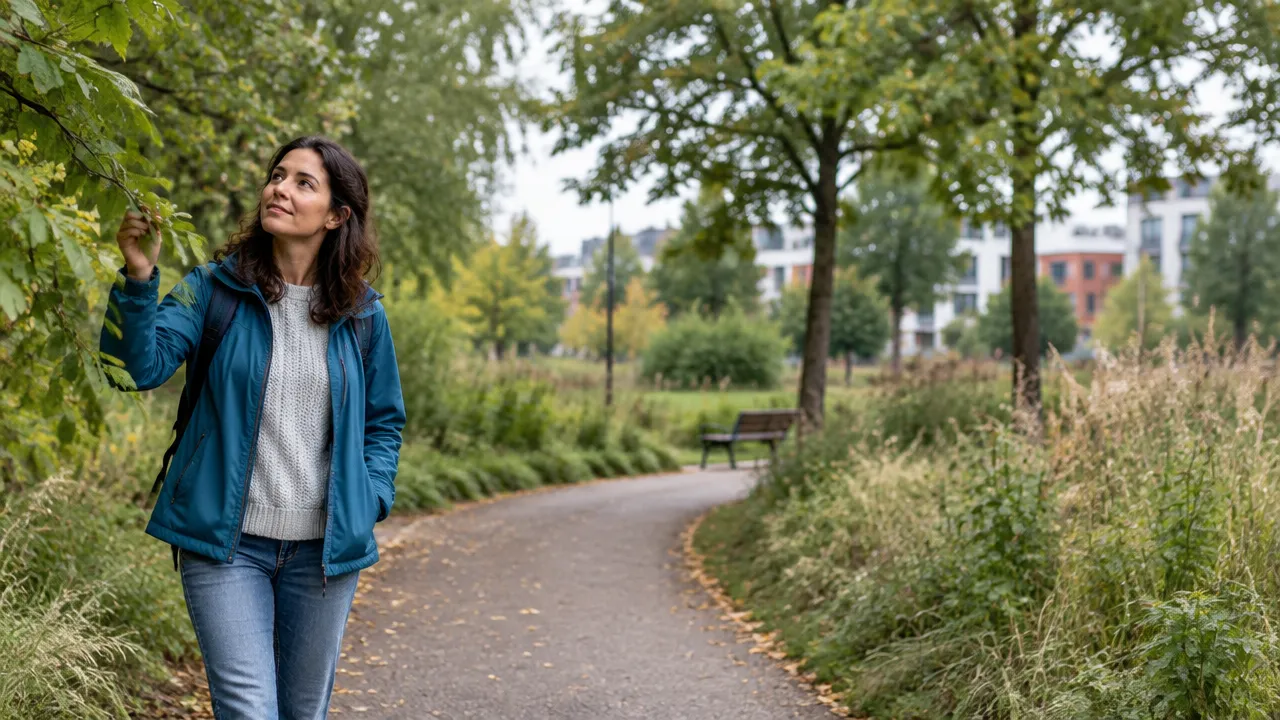
Nature is not equally available to everyone, and a meaningful connection does not require a remote landscape. Safe paths, clean air, shade, mobility access, welcoming public spaces, and time away from work or caregiving all affect whether outdoor contact is possible. For some people, a garden or familiar street tree may feel more restorative than an unfamiliar wilderness setting.
This is where an ecological view becomes systemic: personal well-being is shaped partly by shared choices about housing, neighborhood design, public space, and environmental protection. Individual routines may nurture attention and care, but they cannot substitute for fair access to healthy environments. A grounded approach therefore pairs personal connection with awareness of how communities protect the places people share.
A grounded nature practice starts with attention
Choose one accessible place and visit for ten unhurried minutes. Notice one sound, one color, and one sign of change in the living environment. If that feels calming, return when you can; if it brings sadness or concern, allow that response without judging it.
Ecopsychology is most useful when it holds both sides of the relationship: nature can matter to human well-being, and human choices matter to the conditions that sustain life. Small experiences can deepen awareness, while collective responsibility helps make healthy environments possible for more people.
Frequently asked questions
What is ecopsychology?
Ecopsychology is an interdisciplinary field that explores how people’s emotional and psychological lives relate to the natural world. It considers how contact with nature may support well-being, how environmental change can affect mental health, and how human attitudes and actions influence the wider living systems people depend on.
How does nature affect mental well-being?
Nature can support well-being through several connected pathways, including opportunities for movement, stress relief, social connection, and respite from noise or heat. The effects vary by person and setting. A walk in a safe, accessible park may help someone feel more settled, but it is not a guaranteed treatment for a mental health condition.
Can nature walks help with anxiety?
A nature walk may support mood and ease anxiety for some people, especially as part of a regular routine. Research on structured nature-based activities reports mental health benefits, but study methods and results vary. Walking outdoors can complement care, but it should not replace professional support when distress is persistent or severe.
What are some examples of eco-anxiety?
Eco-anxiety can involve persistent worry about climate change, fear for the future, or difficulty concentrating after environmental news. Ecological grief can arise from the loss of species, places, or familiar seasonal patterns. These responses are not automatically mental disorders, but they deserve care when they disrupt daily life or feel overwhelming.