Climate change is not only transforming our planet—it is shaping our emotions. Many of us feel growing unease, fear, or even helplessness about the future of Earth. This experience now has a name: climate anxiety. We see it in our communities, our loved ones, and yes, within ourselves. Concerns start with a news alert or a wildfire but can stay with us, feeding restlessness and tension.
Yet, even as rising temperatures and shifting weather patterns make headlines, we are not powerless against the emotional impact. There is a practice that is ancient, practical, and within reach: meditation. We believe meditation is a way to nurture our inner climate—helping us move from anxiety to clarity, even in a world of uncertainty. Let's talk about how.
Understanding climate anxiety and our response
Before we start using meditation as a tool, we must give a name to what many people feel. Climate anxiety is the persistent worry or sadness that arises when we think of environmental crises and the future of our planet. It can impact our sleep, focus, and motivation.
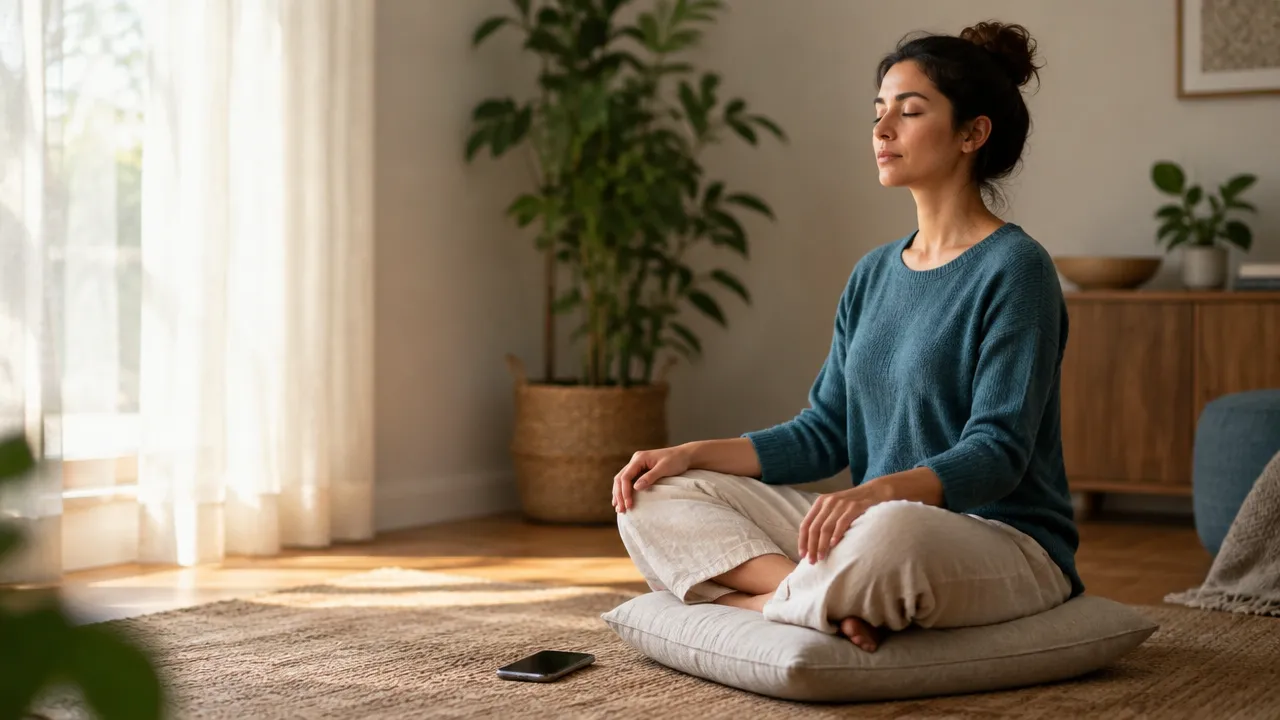
When the world feels uncertain, our breath is our anchor.
In our view, climate anxiety is a healthy emotional response to genuine risks, but if left unchecked, it can turn into feeling frozen or overwhelmed. We have seen that tackling it needs both awareness and daily steps that ground us.
Why meditation works for climate anxiety
Meditation, at its core, is about observing thoughts and emotions with compassion and letting them pass rather than getting caught up in them. This skill is a way to separate facts from catastrophizing, feelings from facts, and concern from panic.
Meditation offers three significant benefits for those experiencing climate anxiety:
- It keeps us present, preventing anxious spirals about the future.
- It builds emotional resilience, helping us respond rather than react.
- It opens the door to collective empathy and action, not just personal relief.
In our experience, even a few minutes of daily meditation can calm the body’s stress responses, clear the mind, and offer genuine hope. Meditation does not remove concern for the world. Instead, it stops fear from stealing our ability to act.
Preparing for meditation: The right mindset
Meditation is for everyone, regardless of background or experience. We suggest beginning with simple expectations: you do not need to stop thinking, reach a mystical state, or sit for hours. The most powerful meditation is the one you’ll actually commit to.
Find a quiet spot. Set aside five to ten minutes at first. Allow yourself to be imperfect. When thoughts arise about rising seas or future generations, welcome them gently and return to your practice.
Step-by-step meditation for climate anxiety
Here is a structured approach we think works for most people:
- Set your intention: Before you start, simply say in your mind why you are meditating. It can be as simple as, "I want to bring calm to my heart, even as I care for the planet."
- Find your anchor: Sit or lie down comfortably. Close your eyes and notice the feeling of your body—your hands, your breath, the ground beneath you.
- Focus on your breath: Follow your natural breath as it moves in and out. If thoughts about climate change appear, notice them without judgment, then gently shift your focus back to your breathing.
- Allow feelings: If strong emotions arise, don’t push them away. Instead, observe them. You might silently say, "Worry is here," or "Sadness is present," then watch as these feelings come and go.
- Close with gratitude: Even after a brief session, recognize yourself for taking this small step. Thank your mind and body for showing up.
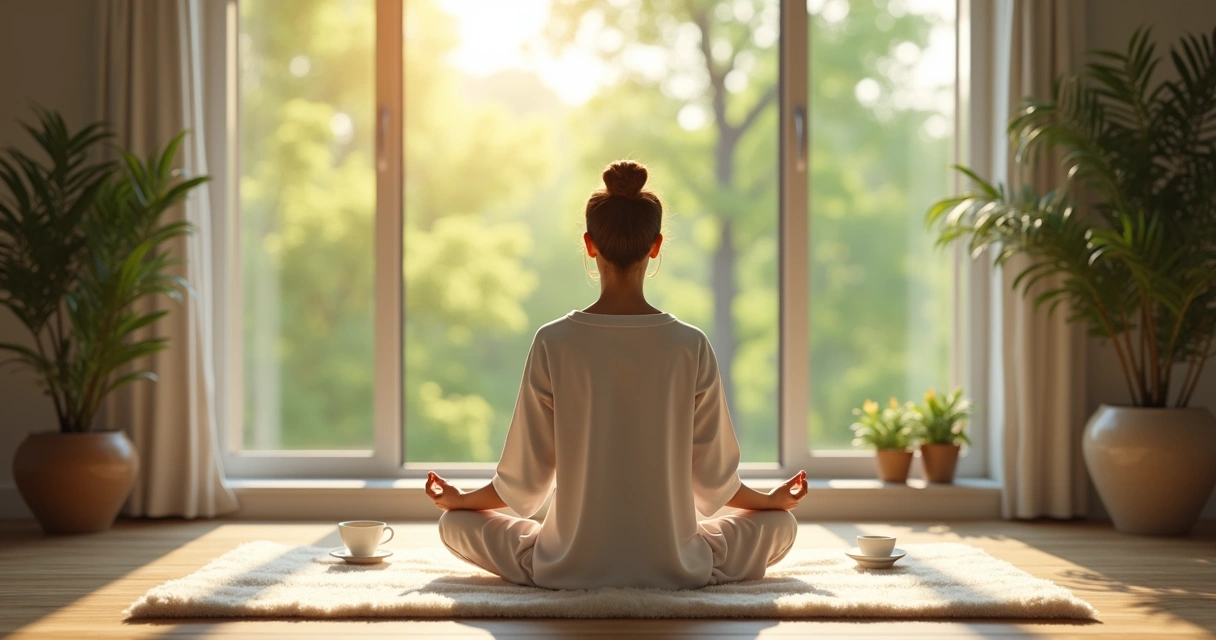
Other helpful meditation techniques
Beyond basic breath awareness, we have seen several techniques that can address climate anxiety directly:
- Body scan: Move attention through parts of your body, noticing tension or sensation. This technique connects mind and body, breaking the cycle of anxious thinking.
- Loving-kindness meditation: Silently send warm wishes—first to yourself, then to others, and finally to all living beings. This grows compassion and a sense of connection with the planet.
- Guided visualization: Imagine healing images, such as a healthy forest or thriving ocean, and allow these images to replace distressing ones. This practice can gently shift mental focus from fear to hope.
We recommend trying one new approach every week to see what feels right for you. Over time, your collection of practices can grow.
The science and results of meditating for anxiety
Countless studies confirm that regular meditation changes our brains, lowering stress markers and improving mood. We have observed that consistent meditation helps people achieve better sleep, less anxiety, and a more balanced outlook even when worries about the climate persist.
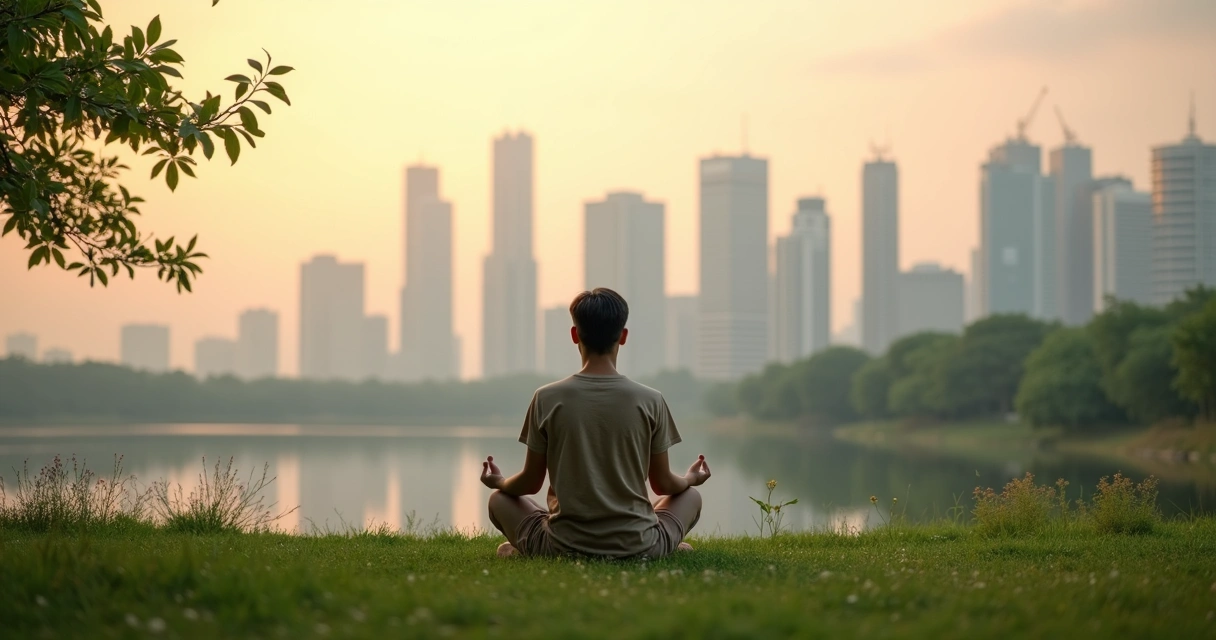
Meditation helps us face reality with steadiness, not panic.
While science offers reassurance, real-world results speak even louder. Friends and peers who embrace meditation often report shifting from paralyzing worry to a readiness for action and hope.

Integrating meditation into daily life
Meditation does not require dramatic changes or hours of free time. To turn it into a steady habit, we suggest:
- Set a timer, even just for five minutes each morning or evening.
- Pair meditation with something you already do, like morning coffee or evening walks.
- Use reminders around your living space—a post-it, a stone, or a photo can recall your intention.
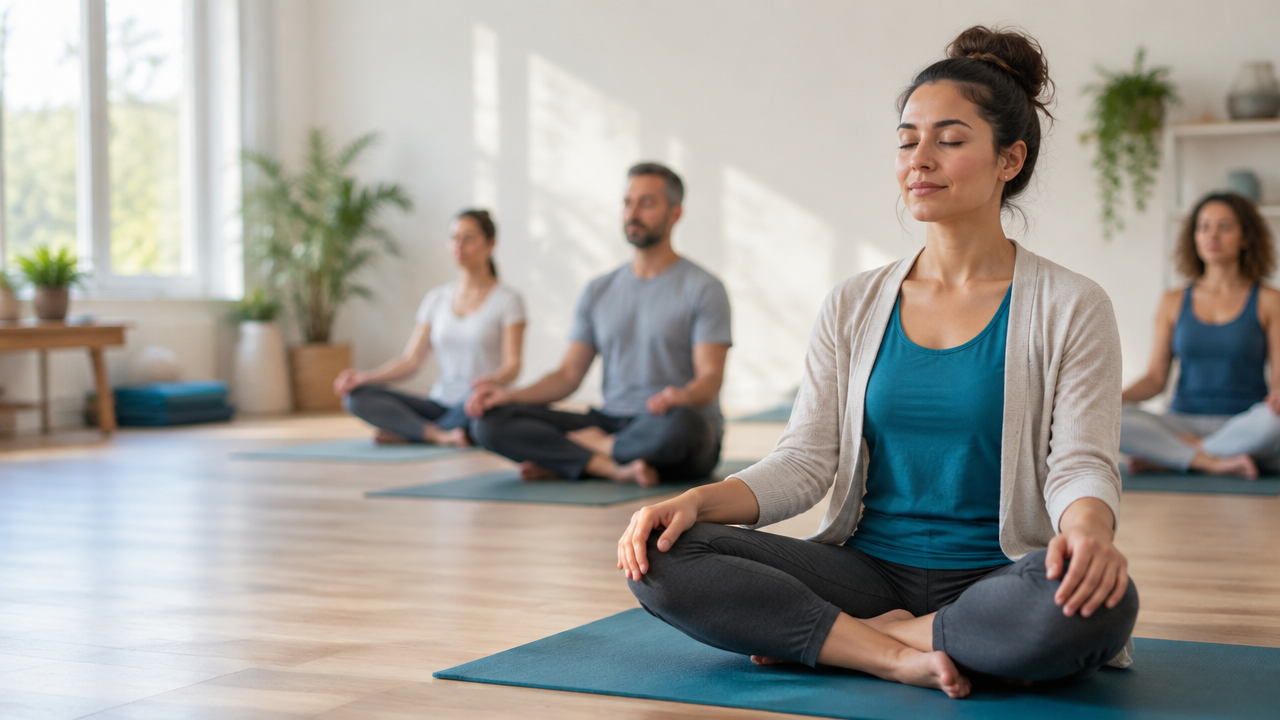
- Join with friends or groups interested in mindfulness and climate care. Shared practice can deepen motivation.
Remember, consistency beats intensity. A little bit every day creates more change than occasional long sessions.
From anxiety to empowered action
The purpose of working with our anxiety around climate is not only personal comfort. We have found that when people care for their inner world, they gain the strength to care for the world outside. Meditation helps us pause, listen, and return to what matters.
A calm mind creates space for wise action.
Sustainable habits, community engagement, and mindful choices all begin with this inner steadiness. When we respond to the climate crisis from a place of fear, our actions shrink. From calm, our vision grows.
Conclusion
Facing climate anxiety with meditation is not about escaping reality—it is about meeting it with an open, steady heart. Every time we sit in stillness, we give ourselves the chance to move from helplessness to hope. One breath at a time, we can steady our minds, care for our planet, and contribute to a calmer, kinder future. By integrating meditation into daily life, each of us helps build inner resilience that ripples outwards.
Frequently asked questions
What is climate anxiety?
Climate anxiety is a feeling of fear, worry, or distress related to concerns about climate change and environmental threats. It can cause stress, trouble sleeping, and difficulty focusing, especially when thinking about the planet's future.
How can meditation help climate anxiety?
Meditation helps calm the nervous system, teaches us to notice anxious thoughts without getting stuck, and builds resilience to cope with uncertainty. Over time, it makes it easier to respond thoughtfully rather than react with panic.
What are easy meditation techniques for beginners?
Simple meditation practices include focusing on your breath, doing a body scan to release tension, or trying loving-kindness meditation. Start with a comfortable seat, close your eyes, and use a timer for five minutes to begin.
How often should I meditate for results?
We encourage most people to meditate daily, even if for only five or ten minutes. Regular practice is more impactful than long, occasional sessions.
Can meditation really reduce climate anxiety?
Yes, research and personal stories show that meditation reduces general anxiety, which includes climate-related worries. It can help you feel more grounded and respond to climate concerns with clear thinking and steady emotions.