

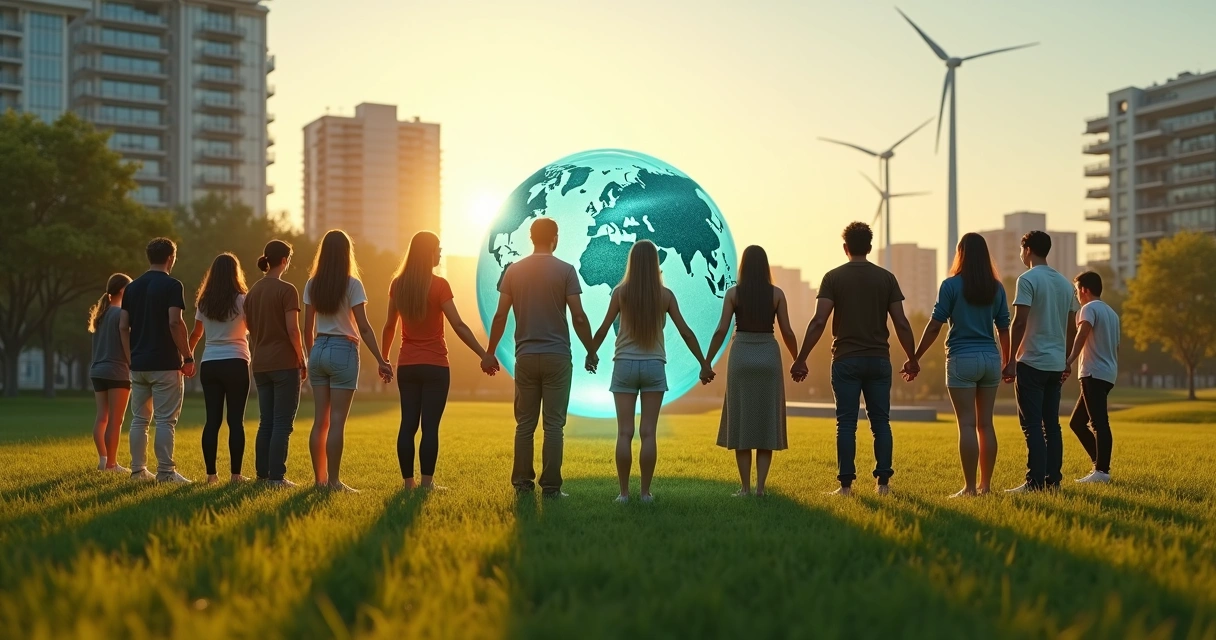
When we look around, it’s often easy to overlook the deep ways in which our communities are linked to global consciousness. We might see a recycling drive, hear about an education event, or pass by a multicultural festival without stopping to think about the true meaning behind these actions. Yet, these moments can offer clues.
We believe that every action, large or small, has ripples that travel far beyond our doorstep. If you wonder whether your community is actively nurturing global consciousness, there are clear signs you can spot. Let’s walk through 12 of the most telling signs, using real experiences and simple stories that reveal the deeper shift underway in communities everywhere.
Inclusive cultural events are celebrated
One of the first signals we notice is the regular celebration of cultural diversity. Whether it’s a food fair featuring world cuisines, a parade for a cultural holiday, or workshops on different traditions, these events do more than just entertain.
Every plate, every dance, every story shared connects us across miles and histories.
We have seen neighbors learn a new recipe, children dress up in traditional clothing, and elders share music from their homeland—all working together to create understanding and respect that crosses local boundaries.
Local initiatives address global issues
If your community hosts beach clean-ups, tree plantings, or energy-saving workshops, it sends a message: local acts can help the planet. When we come together to respond to climate change, support refugees, or raise awareness about clean water, we demonstrate that we care about more than our own backyard. These initiatives often encourage us to think about where our resources come from and how our choices affect lives worldwide.
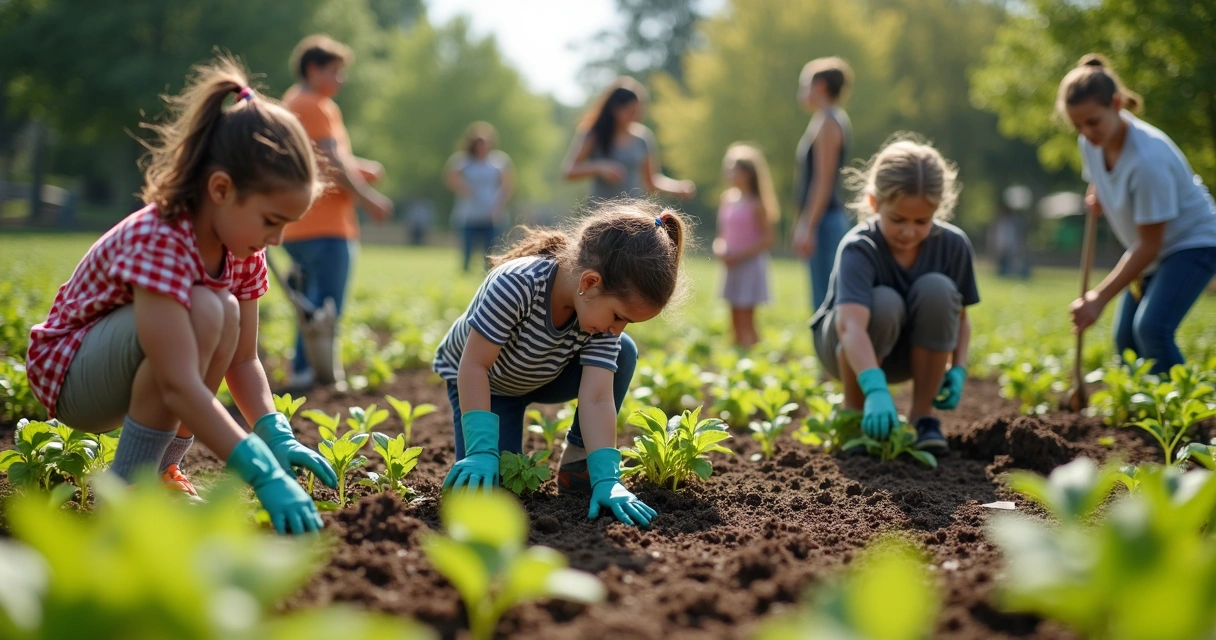
Education focuses on global citizenship
Schools and libraries that offer lessons about geography, interconnected economies, world religions, or international cooperation are shaping future generations. We have noticed book clubs reading stories from many cultures, and classrooms hosting letter exchanges with students abroad.
When we encourage learning that brings the outside world in, we raise citizens who are curious, open-minded, and prepared to work alongside people from every corner of the globe.
There’s space for emotional sharing and support
Sustainable global consciousness isn’t only about big gestures—it’s also about creating spaces where people can share struggles, joys, and hopes without judgment. In our view, mental health circles, peer support groups, or places of worship that welcome all, reflect a willingness to embrace a shared emotional landscape.
These spaces allow us to experience collective empathy, crossing invisible borders to remind us that human feelings are universal.
Dialogue and listening are encouraged
Communities that organize regular discussion forums, listening circles, or open town hall meetings show that every voice counts. We see people actively listening to different points of view, sometimes even changing their minds.
When dialogue replaces debate, and listening grows louder than shouting, we find common ground—not just in words, but in action, too.
Youth are engaged in global causes
We often find that young people are at the forefront of global consciousness. From youth-led environmental campaigns to virtual exchanges with classrooms abroad, these actions tell a powerful story.
When adults encourage youth leadership and mentor them through meaningful service projects, it proves that our community values a future linked to the good of all people, in every place.
Local businesses practice ethical responsibility
Shops and companies in your area might take steps to ensure their goods are ethically sourced, or that they treat workers fairly, even if those workers are far away. We have seen stores highlight “fair trade” items, restaurants support sustainable fishing, and businesses reduce waste.
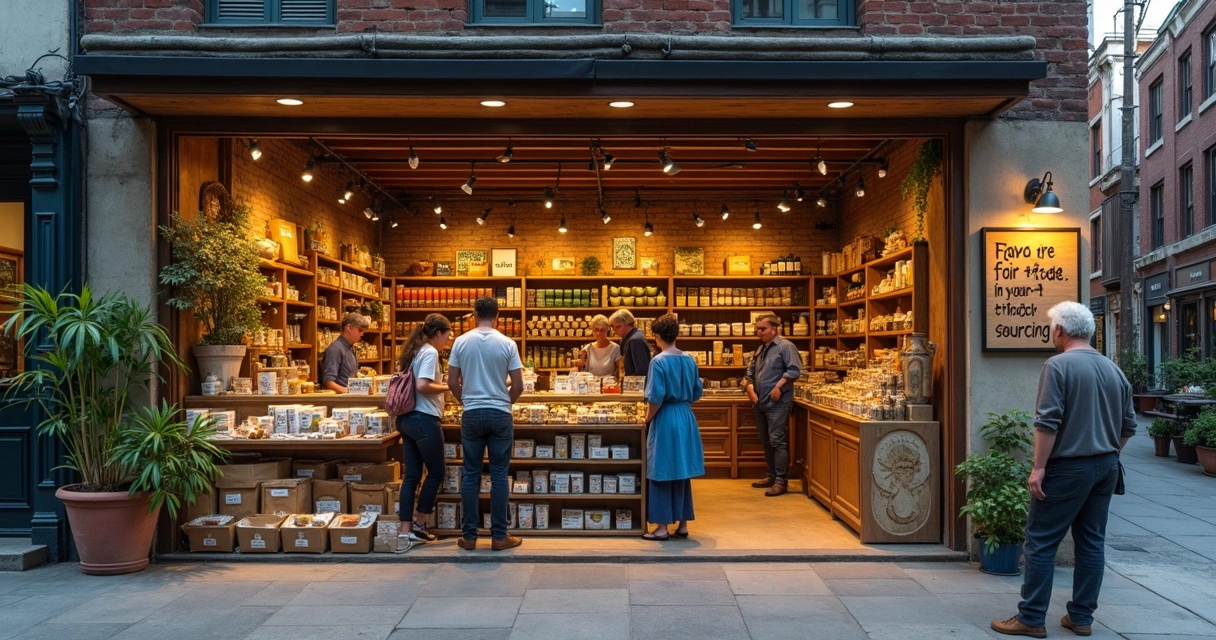
Through these choices, our local economy begins to foster a more compassionate global marketplace.
Multilingual communication is visible
If notice boards, official documents, websites, and signs in your area are presented in multiple languages, that’s a sign your community values participation by all. We often see public events translated live, or support services offering interpretation.
By inviting people to share in their own language, we increase opportunities for understanding and collaboration.
Sustainable transportation and city planning
Your community may actively invest in public transit, bike lanes, pedestrian zones, and green spaces. In our opinion, these actions aren’t only about convenience—they show a concern for the footprint we leave on the planet.
Community-led efforts to create greener neighborhoods show that we see ourselves as stewards, not just residents.
Cross-community and global partnerships exist
Some communities build formal ties with towns abroad, join international sister-city programs, or participate in online networks that link local groups to global goals. We have watched schoolchildren send art to friends overseas and local leaders join video calls to share ideas with councils on other continents.
Partnerships remind us that we are stronger together, even when continents apart.
Philanthropy includes global causes
We often witness fundraising for disaster relief, global health concerns, and educational projects in other countries. That can mean more than just writing a check—it can include organizing awareness talks or volunteering skills as well.
If your community not only responds to local need but also feels moved by distant suffering, that’s a significant marker of shared consciousness.
Celebration of world days and themes
Whether it’s observing World Refugee Day, International Peace Day, or Earth Hour, we see the community pause to reflect and take part in movements that unite people worldwide.
These events remind us to step out of our routines and, even for a moment, hold hands figuratively with the global family. We experience solidarity that is bigger than any single neighborhood.
Active engagement in digital solidarity
Is your community active in online groups, forums, or campaigns that promote global consciousness? We see digital petitions for climate action, virtual events that connect people regardless of borders, and sharing of stories that raise a collective voice.
With the world just a click away, digital participation amplifies our impact and allows every voice to travel further.
Conclusion: The signs point to new horizons
A supportive community for global consciousness doesn’t look the same everywhere. Yet, when we take a closer look, these 12 signs often appear, blended into daily life. They invite us to notice, listen, and join in, even if it’s just by striking up a conversation at the next cultural event or by making a small change in how we shop or travel.
By recognizing these signs, we prepare ourselves for a more connected and humane future. We begin to take pride not only in our city or town but in the collective progress of the world. As we move forward, every action counts—every relationship, every exchange, every act of compassion.
Frequently asked questions
What is global consciousness in communities?
Global consciousness in communities is an attitude and practice where individuals and groups see themselves as part of an interconnected world. It involves acting with awareness of how local choices have broader impacts. Communities that nurture global consciousness often foster empathy, encourage diverse perspectives, and work for solutions that benefit both local and global society.
How can my community get involved?
We recommend starting with small steps: supporting multicultural events, hosting discussions about worldwide issues, or joining environmental activities together. Volunteering, educating youth about global citizenship, and building connections with communities abroad all inspire involvement. It can be as simple as joining a local clean-up that’s tied to a global cause.
What are examples of global consciousness efforts?
Examples include participating in climate action projects, organizing fair trade markets, running charity drives for people in other countries, celebrating international days, and building digital communities that work for social justice. Schools exchanging letters globally and city partnerships with foreign towns are further examples.
Is it worth it to join local initiatives?
We believe so. Local initiatives make a real difference—for the community and the wider world. They also help build social connections, teach new skills, and give people a sense of belonging to something larger. Participation can inspire positivity and shared purpose.
Where to find global consciousness groups nearby?
Check community centers, libraries, schools, or local government websites for listings of cross-cultural, environmental, or global citizenship groups. Social media can also connect you to organizations that match your interests. Many international programs have local branches or events open to all.