
Almost everyone who starts meditating will, at some point, stop for a while. We think of these moments as “relapses,” but they are a natural part of the journey. Meditation is not just a technique; it asks us to face ourselves, our hopes, and sometimes our resistance. In our experience, understanding why these pauses happen can help us return to practice with more kindness and determination than before.
What causes meditation relapses?
A meditation relapse is simply when we stop practicing, often unintentionally, sometimes for days, weeks, or even months. It can feel confusing. We were going so well, and suddenly… nothing.
We have found several common reasons why this happens:
- High expectations: We may expect quick results, hoping meditation will erase stress, anxiety, or pain overnight. When the benefits feel slow, motivation can drop.
- Busy schedules: Modern life fills up fast. Work, family, and daily tasks crowd out quiet moments.
- Lack of support: If those around us do not meditate, we may have no one to discuss blocks or celebrate progress with.
- Discomfort with silence: Sitting with our thoughts can bring up feelings we prefer to avoid.
- Perfectionism: Missing one day can feel like failure, making it harder to return the next day.
We all experience some of these. And sometimes, relapses just happen for no clear reason.
Pausing doesn’t mean failing. It means being human.
How relapse affects your mindset
Stopping meditation can bring up many emotions. Frustration, guilt, disappointment, or indifference are common. We have noticed that what matters is not the gap itself, but how we relate to it. Some people scold themselves. Others quietly slip away from their intention to meditate and do not think much about it.
Our mindset during relapse can shape if and how we return to meditation. Feeling guilty can make us avoid restarting, while gentle curiosity can help us understand what led to the pause.
Common myths about meditation relapse
Stepping away from practice often brings up ideas that are simply not true. Addressing these can open the door to a fresh start.
- “I’m not cut out for meditation.” Many believe that only certain people, or people with peaceful minds, can meditate regularly. That’s not true. The mind’s wandering, racing, or even resisting is completely normal.
- “Missing sessions means I failed.” If we see meditation as ‘all or nothing’, a missed day feels like the end. But progress is built over time, including our stumbles.
- “Restarting is harder than starting.” In our experience, returning after a break can feel awkward, but the skills learned earlier are still there, waiting to be picked up again.
We have found that the most compassionate response is to recognize these myths, see them as just thoughts, and start again.
What to do when you notice a pause
When we catch ourselves in a break, the first step is to notice. Pause. Name it. “I haven’t meditated for a while.” This small moment is more powerful than it appears.
The gap is not proof of your weakness; it is proof you are trying. Being gentle with yourself invites curiosity and learning, instead of judgment.
Here are a few responses that can help when you notice a gap in your practice:
- Ask yourself, “What was happening in my life when I stopped?” Rather than blame or shame, look for clues. Was it stress? Boredom? The feeling of not doing it “right”?
- Remember the reasons you started in the first place, not as pressure, but as gentle reminders of your intention.
- Allow the experience of relapse to teach you about your unique rhythm, rather than judge yourself against others.
Learning happens in the pause as much as in the practice itself.
How to restart your meditation today
It can feel daunting to begin after time away. We have been there, many times. These steps can support a gentle return:
- Simplify expectations: Forget long sessions or achieving special states. Even two minutes of breath awareness count.
- Start with curiosity, not criticism: Be willing to notice how it feels to sit again, even if awkward.
- Anchor your practice: Tie meditation to an existing habit, like brushing your teeth or making morning tea.
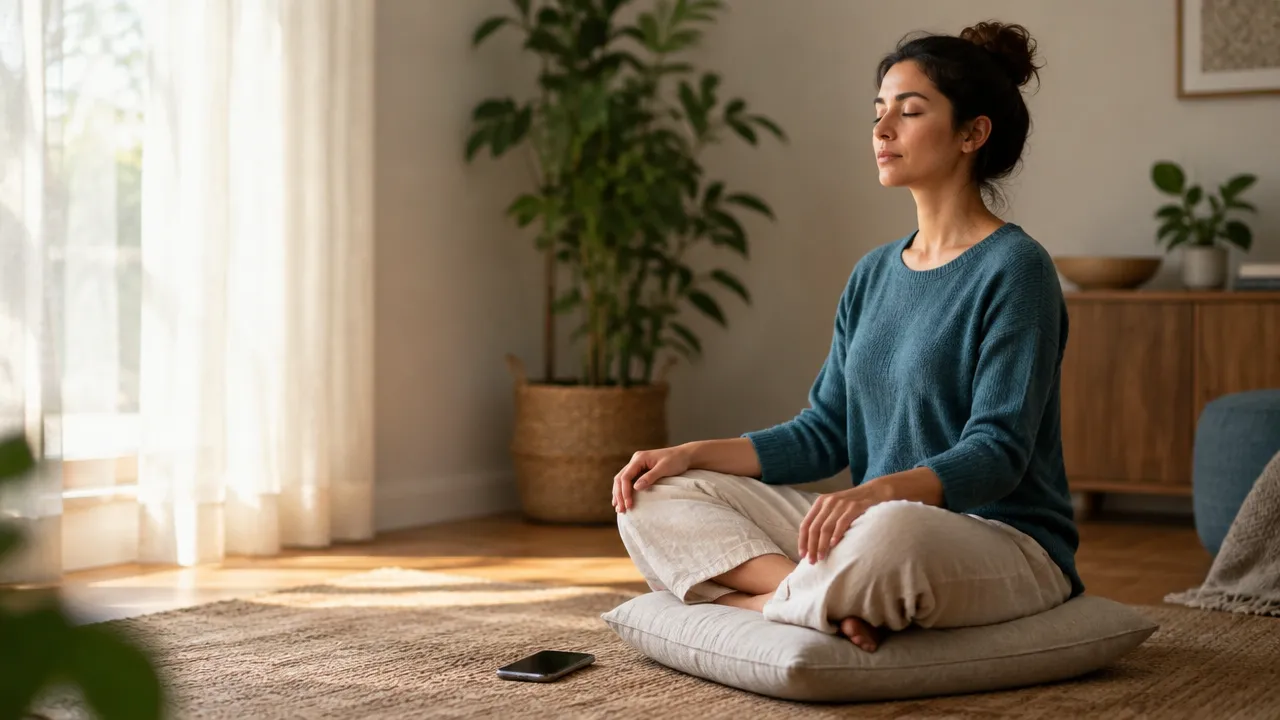
- Make space visible: Put your cushion where you see it, set up a small corner, or use gentle reminders.
- Celebrate returning: The act of sitting down is a success, no matter the outcome or experience.
You do not need a special day or a perfect mindset; you just need to begin. Sometimes the most meaningful practices start with a single mindful breath.
Building a more resilient routine
Long-term consistency is not about willpower alone. We think it helps to see meditation less as a rule and more as a relationship. Relationships grow through time, care, and sometimes, forgiveness for missed connections.
- Plan for change. Life shifts. Schedule changes, moods rise and fall, family needs grow. Allow your practice to adapt with you.
- Focus on the process, not results. The act of sitting daily is an act of self-respect. Benefits often appear quietly over time.
- Find your rhythm. Some people prefer mornings, others evenings; some use guided practice, others silence. Trust what suits you.
- Acknowledge the small wins. One mindful breath. One moment of returning to your intention. These are signs of progress.
If you forget a session, notice the voice that comes up. Is it harsh or friendly? We encourage that second voice.
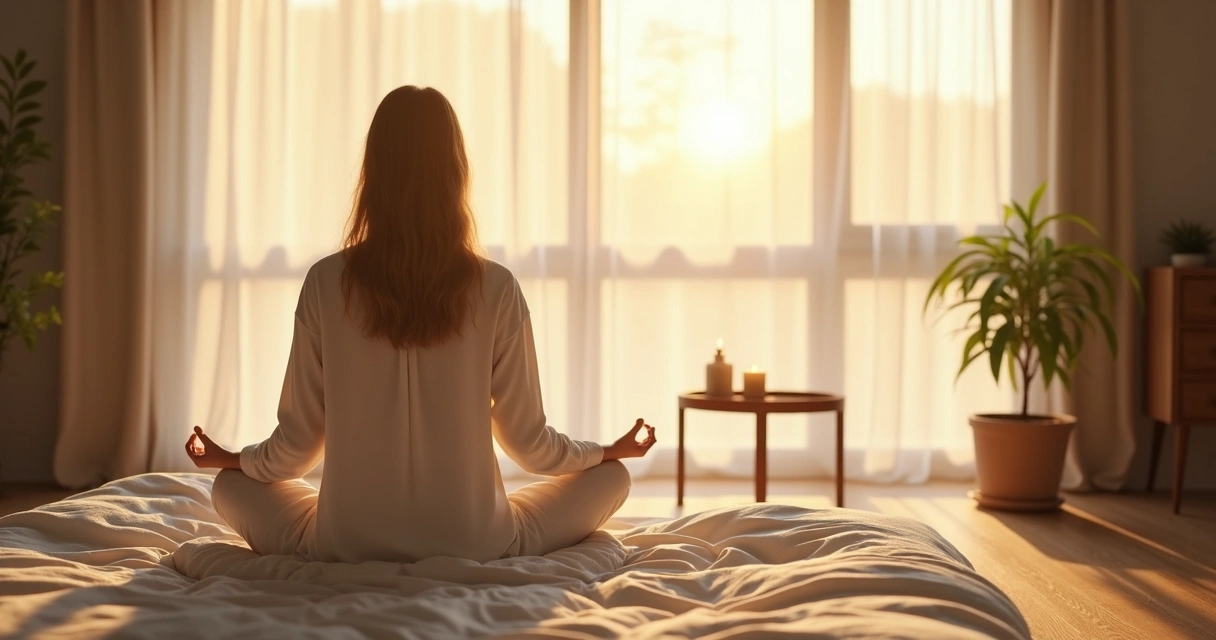
Supporting yourself for consistency
Self-support can turn relapses into quieter, less dramatic pauses. We suggest:
- Journaling about your experiences, especially after returning to practice.
- Sharing your intention with a friend, even if they do not meditate themselves. Support does not always mean sharing the same practice.
- Allowing space for rest. If you miss a day, treat it as information, not a reason to abandon your path.
Start where you are, not where you think you should be.
Conclusion
Meditation relapses are common, and they do not lower your worth or commitment. Every pause is an invitation to return with new perspective and kindness for yourself. We believe showing understanding during these moments is how growth happens in meditation, and in life as well. The next beginning is always just a breath away.
Frequently asked questions
Why do meditation relapses happen?
Meditation relapses usually happen because of changing life circumstances, increased stress, shifting schedules, or unrealistic expectations about what meditation should provide. Sometimes, we just get busy or lose motivation for reasons that are not clear at the moment. These breaks are a natural part of practicing anything that invites us to slow down and look inward.
How can I restart meditation today?
You can restart by choosing a simple practice—even sitting quietly for a few breaths counts. Begin without thinking you need a long session or a special setup. Tie the practice to a daily activity you already do, and treat this first step as meaningful, no matter how small it feels.
What are the signs of meditation relapse?
Signs include realizing you have not practiced for several days, not feeling motivated, or even feeling guilt and frustration when thinking about meditation. Another sign is forgetting the reasons you began meditating, or feeling like meditation is no longer accessible for you.
Is it normal to stop meditating sometimes?
Yes, it is normal. Nearly everyone who begins meditation will pause at some point, whether intentionally or by accident. It is part of the learning process, not a reason to feel you cannot succeed.
What helps maintain a daily meditation habit?
Building a habit works best with flexibility and self-kindness. Place reminders where you see them, connect meditation to an existing habit, and focus on showing up rather than results. Celebrate every session, even those that feel short or distracted, as progress toward your intention.