

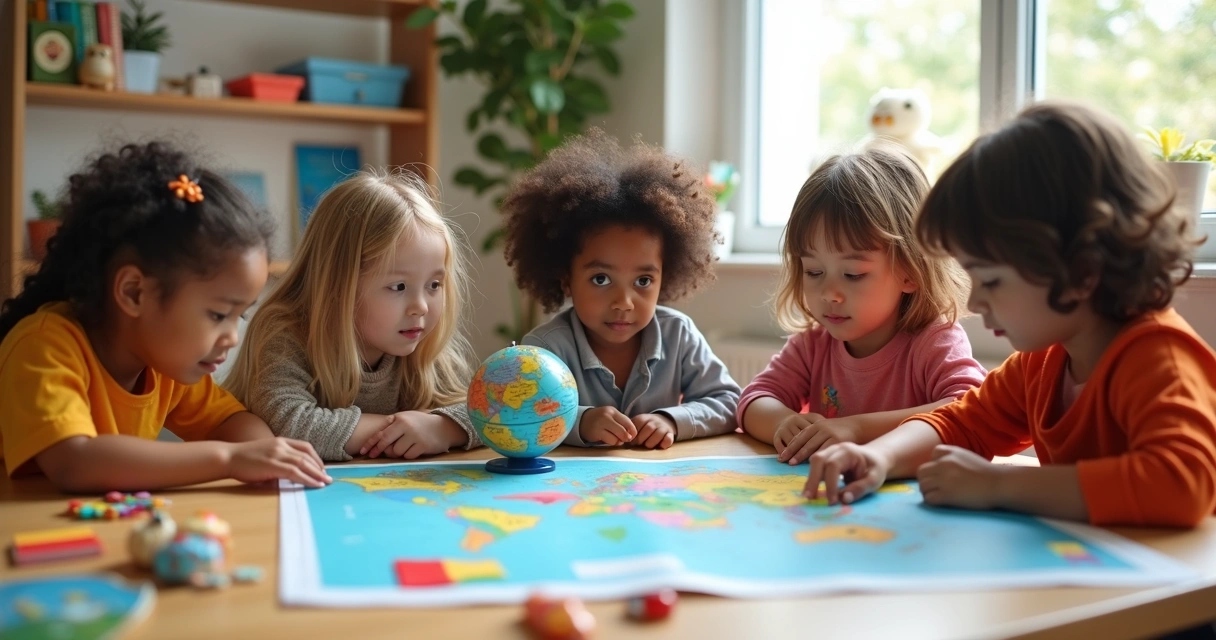
Curiosity in children opens doors that adults sometimes forget exist. When we invite kids to look at the world through different eyes, all sorts of connections become possible. Intercultural curiosity, in particular, invites children to see beyond their personal surroundings and into the lives and ideas of others—making the world less strange and more familiar, one story at a time.
Why intercultural curiosity matters in childhood
We often see children’s openness as natural. In our experience, the more we nurture this openness toward cultures, the stronger their sense of empathy, understanding, and respect grows. Intercultural curiosity plants seeds for friendships and skills that last a lifetime. It also helps break down stereotypes, encourages resilience, and allows children to adapt more successfully to an ever-changing world.
For many of us, the first time we saw a different holiday or heard another language spoken was memorable. These small sparks often become points of fascination. We believe that simple, repeated experiences are the most effective way to awaken a genuine interest, and later, an informed appreciation of cultures.
A small act of curiosity can open a whole world.
Simple ways to introduce new cultures at home
Families have remarkable influence in shaping a child’s curiosity and attitudes. Sometimes, what looks ordinary to us can be magical to a child.
- Cook together recipes from different countries. Preparing Japanese sushi, French crêpes, or Nigerian jollof rice introduces new flavors, textures, and stories. With each meal, we can share conversations about where these foods come from and who enjoys them.
- Celebrate a different holiday. Choose a festival that does not belong to your personal tradition, like Lunar New Year or Diwali. Create crafts, read a related story, or even watch short videos that show authentic celebrations.
- Explore world music and dance. Take turns picking songs from different countries and letting everyone move along. Kids can try instruments or create their own with basic materials—think maracas from bottles or drums from pots. Music is a universal language, and it often brings a lot of laughter.
These practices can transform ordinary days. Even reading a bedtime story from another continent can be the highlight of the night. One evening, we discovered a South African folktale that had all of us thinking about lions and clever rabbits until morning.
Using stories and books as bridges
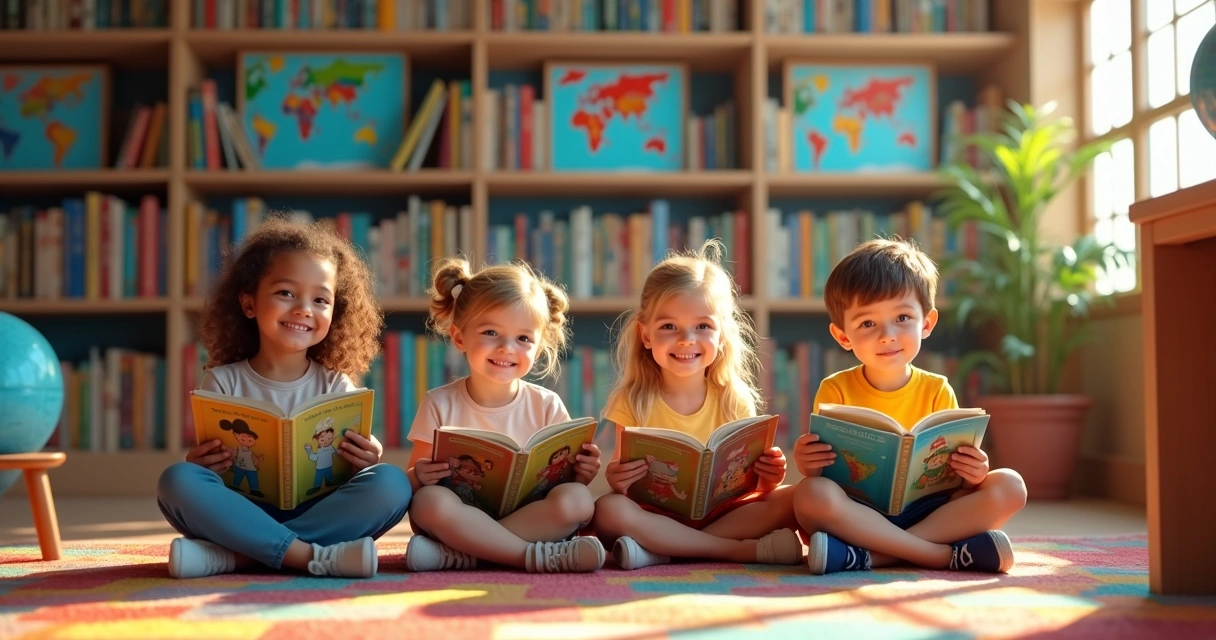
Stories offer safe ways for children to visit other worlds. Through books, children can meet characters who eat, dress, speak, and think differently, but who also share universal emotions and challenges.
- Visit the local library and ask for folk tales or picture books from different cultures. Illustrations often provide context even if children do not understand every word.
- Choose stories with diverse protagonists. Make it a point to read about everyday life in a place like Brazil, Japan, or Egypt to show both differences and similarities in routines and dreams.
- After reading, encourage children to imagine their own ending or draw their favorite scene. This keeps the connection active and personal.
Books make the unknown comfortable and give children safe ways to wonder aloud about the world. When questions come, we pause to answer them, and sometimes, we realize we are learning together.
Making language fun and approachable
Even if we can only say hello or count to ten, learning a new language with children unlocks doors. It often starts with play.
- Learn simple greetings in different languages together. Use sticky notes around the house with “hello” or “thank you” in Spanish, Mandarin, or Arabic. Turn it into a game: each time you enter a room, use a different greeting for the day.
- Listen to songs or nursery rhymes in other languages. Children love music, and melody makes words easier to recall. Sometimes we watch animated videos or listen as background music during car rides or dinner.
- Practice pronunciation challenges. See who can pronounce “butterfly” in different languages or remember a short phrase the longest. It’s not a contest—just laughs and learning together.
These moments of playfulness spark natural questions: “Why does their word sound different?” or “Do they eat pizza, too?” Language is often the first friendly bridge between two worlds.
Connecting with people and experiences
Sometimes, the best way for children to grow curious about another culture is by meeting someone from it. Not everyone can travel, but everyone can reach out in small steps.
- Invite friends, neighbors, or classmates who have another cultural background to share their traditions, games, or stories. When children see someone from another culture as a peer and friend, it feels natural to ask questions and discover.
- Attend local cultural fairs, exhibitions, or events. Watch traditional performances, try new foods at community festivals, or participate in craft workshops. If events are not available, consider virtual museum tours or cultural exchange pen pal programs.
- Display multicultural art or artifacts at home. Even a small souvenir or handmade craft can start big conversations about where it came from and who made it.
What we have noticed is that children remember these experiences far longer than adults do. Years later, a child might remember the first time they wore a kimono or tried African drumming.

Encouraging questions without judgment
Strong intercultural curiosity often comes down to a safe atmosphere for questions—any questions. We try to respond with patience, even when the question surprises or embarrasses us. Welcoming questions shows that curiosity is never wrong and mistakes are chances to grow.
- If a child makes a mistake about a culture, gently correct the information instead of ignoring or shaming.
- Celebrate honest wonderings, such as “Why do they wear that?” or “Why is their food spicy?”
- Encourage research together. Maybe look for an answer in a book or online, but let the child lead the way.
We find that when questions are welcomed, children remain open longer, rather than closing off out of fear of being wrong.
Conclusion: Sparking lifelong curiosity, one small step at a time
Intercultural curiosity does not come from big lessons. It grows through small and repeated encounters—with food, stories, language, and most of all, with people. Each little effort creates a rich web of understanding that supports children as they become adults in a connected world. Our own experiences tell us that what children remember are these everyday moments of shared curiosity and kindness.
Frequently asked questions
What is intercultural curiosity in children?
Intercultural curiosity in children is a natural interest and open attitude towards learning about people, traditions, languages, and beliefs different from their own. It involves asking questions, exploring new ways of thinking, and finding joy in discovering how others live. This curiosity builds empathy and broadens perspectives.
How to teach kids about other cultures?
To teach kids about other cultures, we find it most effective to use stories, songs, food, and personal connections. Cooking meals from other countries, reading international tales, learning simple greetings in new languages, and attending cultural celebrations can all help. Hands-on experiences leave lasting impressions and make cultural learning both fun and memorable. Adults should answer questions with patience and openness to encourage honest curiosity.
What activities spark cultural curiosity in kids?
There are many activities that can spark cultural curiosity in kids, such as:
- Cooking foods from different countries together
- Reading diverse stories and folktales
- Listening to world music and trying new dances
- Learning basic phrases in different languages
- Attending multicultural festivals or community celebrations
Why is intercultural curiosity important for children?
Intercultural curiosity is important for children because it builds empathy, adaptability, and respect for differences. Children who are curious about other cultures tend to feel comfortable in unfamiliar situations and are less likely to develop stereotypes or prejudice. These skills help them form friendships, learn new things, and succeed in a global world.
How can parents encourage curiosity at home?
Parents can encourage curiosity at home by modeling an open attitude toward differences, providing diverse materials (books, music, art), and making time for cultural exploration together. Asking questions, celebrating curiosity, and turning mistakes into learning moments foster a safe environment. We suggest embracing new experiences as a family and valuing every honest question as an opportunity to grow together.