


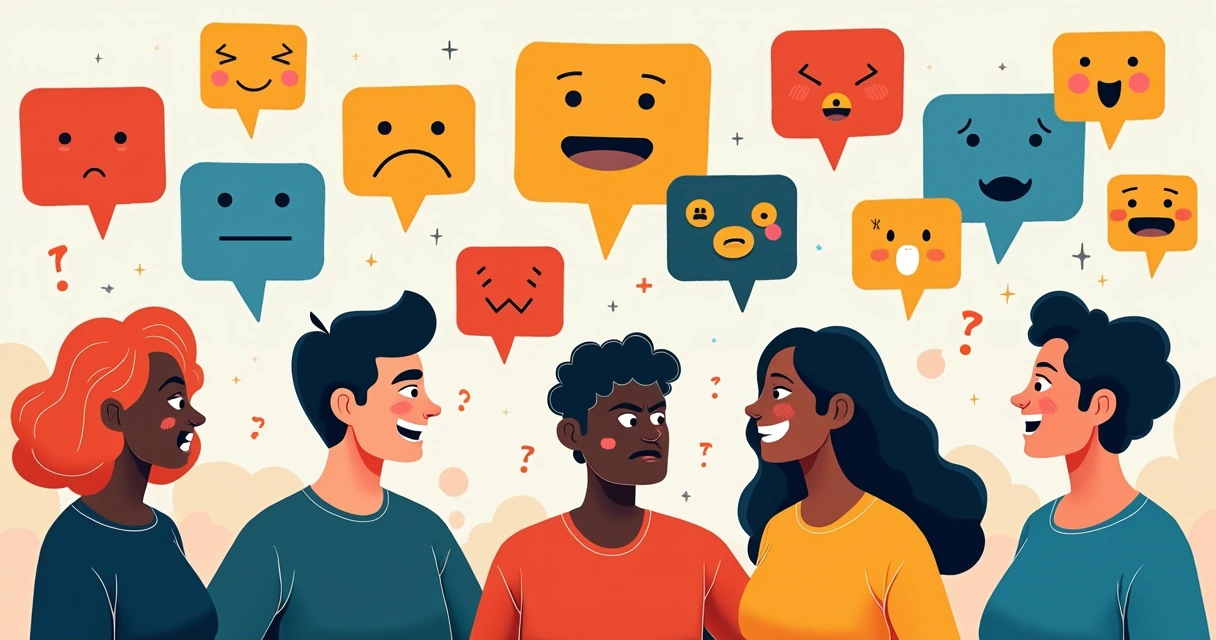
We live in a time when the emotions of strangers can ripple into our day with just a flicker of a screen. Anyone who has scrolled through a heated comment thread or witnessed a wave of positivity knows this truth: moods and feelings jump from user to user, multiplying and reshaping the atmosphere of any online community. This phenomenon is known as emotional contagion. With so much connection, how can we reduce negative spirals and foster better emotional climates online?
Every post, reaction, or message has the power to shape the overall mood of a community.
In our experience, recognizing and taking steps to manage emotional contagion is one of the most meaningful ways we can care for each other online. In this article, we share practical strategies, insights from recent research, and thoughtful perspectives on how we can all play a part in reducing emotional contagion in our digital spaces.
The roots of emotional contagion online
Emotional contagion is the transfer of emotions from one person to another, often without explicit awareness. In online communities, this happens through words, emojis, images, and even the invisible tone behind a message. A 2014 study published in PNAS provided experimental evidence that emotional contagion can occur at a massive scale through social networks, affecting our moods simply by what we see and read (PNAS 2014).
Unlike face-to-face interaction, online communication often strips away context and non-verbal cues. This can amplify misunderstandings and intensify shared emotions—positive or negative. People tend to match the emotional tone of what they see, which means a single angry post or joyful celebration can set the tone for an entire thread.
Why emotional contagion matters
When negative emotions such as anger, anxiety, or sadness spread unchecked, they can turn a supportive group into a hostile or draining environment. Research from the Harbin Institute of Technology found that emotional contagion in online depression communities can impact users’ mental health and sense of connection (Harbin Institute Study 2021).
This doesn’t only affect the individuals involved, the overall atmosphere can shift. People may withdraw, groups may fragment, and online discourse can spiral out of control. Studies in brand communities have shown that the dynamic nature of emotional exchanges impacts user engagement and participation (Frontiers in Psychology 2022).
Our experience supports this: when negativity or panic takes hold, it’s hard to have balanced, supportive conversations or build real trust.
Recognizing emotional contagion in your community
A key first step is simply noticing when and how emotions are spreading. Some telltale signs include:
- A surge in posts or comments mirroring a specific emotion—like collective outrage or worry.
- Repeated use of emotionally charged language or emojis in threads.
- Quick shifts in group mood, often after a provocative post or event.
- Users reporting increased stress or discomfort following certain discussions.
According to a 2012 study in Scientific Reports, groups tend to develop a consistent emotional ‘tone’ over time, shaped by both individual interactions and the community’s social norms (Scientific Reports 2012).
Strategies to reduce emotional contagion
While we can’t (and shouldn’t) erase emotion from online spaces, we can help communities respond better, so emotions are less likely to spiral. Here’s how we do it:
1. Foster emotional awareness and literacy
We encourage members and moderators to pause, reflect, and ask themselves what they’re feeling before posting or replying. Is this a fleeting annoyance or something deeper? Naming emotions helps slow automatic reactions, leading to more thoughtful communication. In our view, regular discussions about emotional literacy can encourage self-reflection and empathy among users.
2. Establish and reinforce community guidelines
Clear guidelines create a safer space for participation. These might include:
- Discouraging inflammatory or personal attacks.
- Encouraging people to assume good intentions.
- Promoting solutions-based or supportive responses.
- Reminding users to pause before sharing emotionally charged content.
By consistently applying rules, communities can dampen the spread of disruptive emotions by setting standards for civility and respect.
3. Train and empower moderators
Moderators play a key role in responding quickly to emotional surges. We have found that trained moderators are effective in:
- Intervening early in heated discussions.
- Offering calming responses to de-escalate tension.
- Redirecting conversations back toward empathy and fact-based dialogue.
“A calm moderator can reset the entire tone of a group.”
Timely moderation reduces the risk of snowballing conflict.
4. Encourage positive emotional “contagion”
Not all contagion is harmful. By making space for gratitude, encouragement, and constructive feedback, we help positive emotions multiply. In practice, this might look like:
- Pinned posts with appreciation or celebration messages.
- Highlighting supportive comments in threads.
- Regular “thank you” shoutouts to active helpful members.
When positive stories or encouragement become visible norms, negative moods are less likely to take over.
5. Support thoughtful information sharing
A 2025 meta-analysis in PNAS Nexus explains that contagious moral emotions—like outrage—can fuel viral sharing even when accuracy suffers (PNAS Nexus 2025).
We suggest countering this by:
- Encouraging users to verify sources before sharing.
- Reminding the community to consider both sides of an issue.
- Promoting critical thinking and fact-checking norms.

6. Model emotional regulation and self-care
As facilitators, we aim to model mindful emotional regulation before, during, and after online engagement:
- We pause to breathe or step away when feeling overwhelmed.
- We apologize if we react strongly or make mistakes in tone.
- We encourage regular offline breaks, mental health check-ins, and peer support.
By demonstrating boundaries and vulnerability, we help everyone feel more secure.
Building a resilient online community
Reducing emotional contagion isn’t only about stopping negativity. It’s about planting seeds of thoughtfulness, accountability, and shared wellbeing. In communities we help shape, we witness stories of restored trust, renewed energy, and a stronger sense of belonging when these strategies are put into practice.
Online spaces will always reflect the emotional tides of the people within them. By paying attention, learning, and adjusting, we can help ensure those tides don’t overwhelm the shore. We invite each person—members, moderators, and leaders—to join in this effort and to recognize your influence, large or small, on the collective mood.
Conclusion
Reducing emotional contagion in online communities is possible through awareness, clear values, skilled moderation, and the ongoing commitment to positive interaction.
When we manage our digital emotions thoughtfully, we create spaces that are kinder, more resilient, and more sustainable for everyone involved.
Frequently asked questions
What is emotional contagion in online communities?
Emotional contagion in online communities refers to the transfer of emotions from one user to others through digital interactions. This can happen when the mood or tone of messages, posts, or comments influences the feelings of other members, often leading to the spread of similar emotions throughout the group.
How can I prevent emotional contagion online?
You can help prevent emotional contagion by becoming more aware of your emotional state before posting, pausing before responding to strong emotions, promoting factual and balanced conversation, and encouraging self-care. Participating in communities with clear guidelines and supportive moderation also reduces the risk of negative mood swings.
What are signs of emotional contagion?
Signs of emotional contagion include sudden shifts in group mood, increased use of strong emotional language, recurring emotional patterns following major events, and many members mirroring similar feelings or reactions within a short period. These shifts are often seen after provocative or emotionally charged posts.
Are some platforms worse for emotional contagion?
Some platforms make it easier for emotional contagion to occur due to their speed, lack of context, and focus on quick reactions. Features like fast comments, shares, and likes can amplify emotional waves, especially in large or highly-active communities. However, emotional contagion can happen anywhere digital communication occurs.
How do moderators reduce emotional contagion?
Moderators reduce emotional contagion by enforcing community rules, intervening early during heated conversations, de-escalating tensions with calm responses, removing harmful content, and modeling constructive behavior. Their presence helps maintain a balanced atmosphere and supports the community’s emotional health.