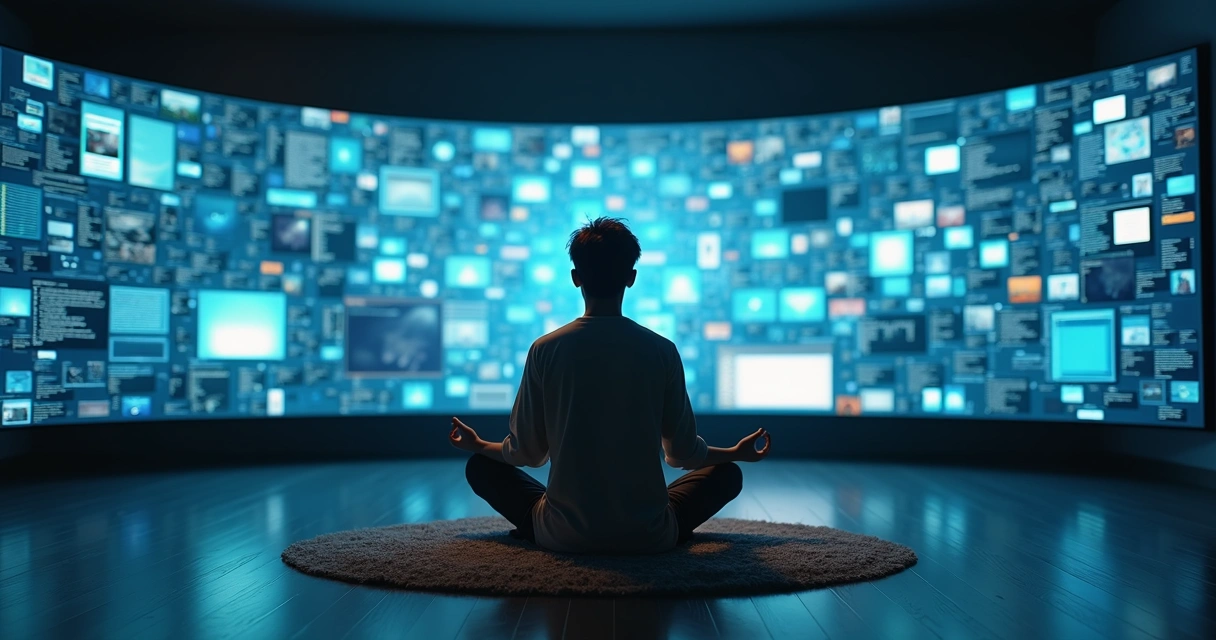
We live inside screens. Almost every moment, a device glows in front of our eyes. At first, I thought meditation would be my antidote to this flood of notifications, endless feeds, and online demands. But the truth is more tangled than I imagined. There is a hidden side to meditation in the age of digital overload, one that no quick guide or simple app will reveal.
Why digital overload feels so heavy
Most people I know—myself included—didn't expect digital life to be so exhausting. At first, technology promised ease. But today, it rarely feels that way. Some afternoons, I watch myself shift from one device to another, attempting to rest yet never really switching off. It turns out, digital overload isn’t just about time spent online. It's about scattered attention, emotional residue from every tiny digital interaction, and the slow drain on our sense of presence.
It's not only about how long we're online; it's about how split we become inside.
Through my experience, the symptoms of digital overload go beyond tired eyes and headaches. They reach into sleep, memory, mood, even how I relate to others. When I am digitally overloaded, I find it hard to listen with my full attention. Sometimes, even in silence, my mind feels noisy.
- Constant mental chatter, even when no device is active
- Restlessness during real-life conversations
- Difficulty deeply relaxing
- Emotional numbness or irritability
- Poor sleep, dreams full of emails or messages
The deeper problem is that digital life does not ask for a pause. It lures us back with every ping and scroll. That’s where meditation could step in. But there’s a catch.
The double-edged sword of meditation in a digital world
Meditation, on the surface, appears to be the perfect counterweight. I used to think, "Just ten minutes with my favorite meditation track and I’m fixed." But often, the results disappointed me.
What almost no one tells you is that meditation, as most people approach it today, can become just another item in an overloaded digital routine. Instead of respite, it can become one more thing to optimize, schedule, measure—or even post about online. I noticed it in myself: I would track my streaks, check my progress, even compare my experience to stories I read. Strangely, my search for stillness became another digital task.
Marquesian Consciousness, the root of this blog, calls us to look at meditation as more than a habit or productivity tool. It insists that real meditation is not about escaping, but about learning to be present and whole in a fragmented, overloaded world.
The hidden obstacles no one mentions
When I began to take meditation seriously, I thought I'd find peace if I just followed a method. Instead, I ran into obstacles no one warned me about:
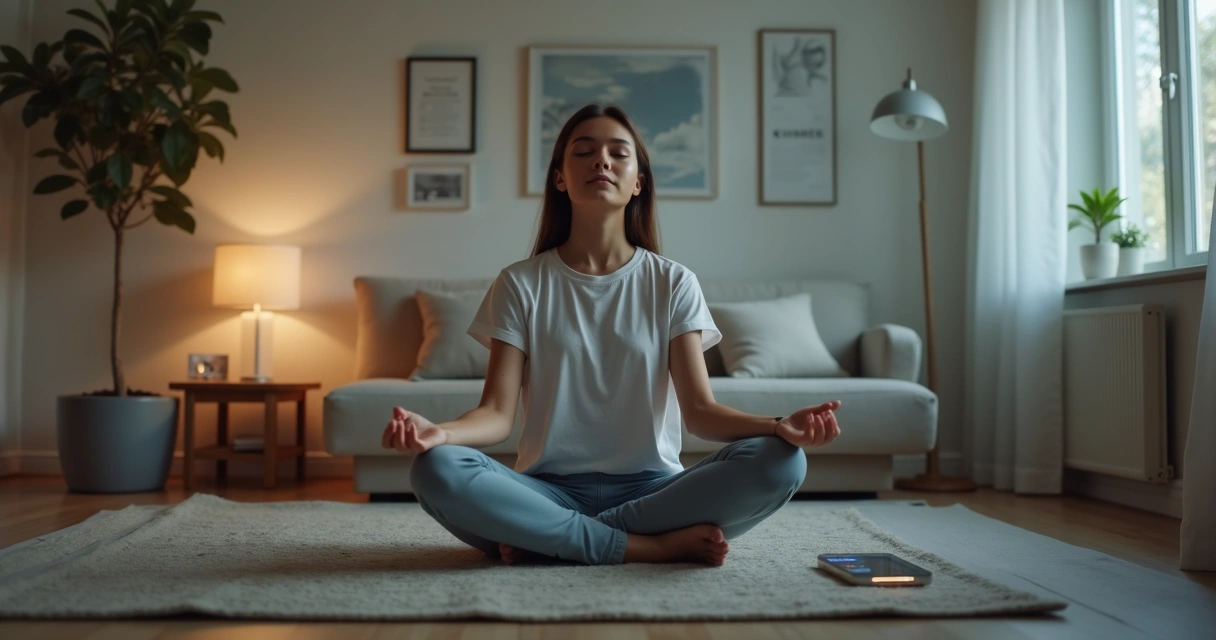
- Meditation apps sometimes kept me thinking about my phone, not my breath.
- Racing thoughts actually grew louder before they quieted.
- Guilt set in if my sessions weren’t “productive.”
- Comparing my experiences to others made me uneasy, not centered.
At first, I blamed myself. Maybe I wasn’t trying hard enough. Over time, though, I saw that this struggle wasn’t proof of failure—it was a sign that our digital habits follow us even when we close our eyes.
Moving from digital detox to presence
I’ve watched the rise of “digital detox” advice, but the truth is, few people can walk away from their devices for long. Our lives depend on being reachable and informed. Rather than try to cut out technology completely, I started to look at how I related to it.
The biggest shift came when I stopped viewing meditation as a way to escape the digital world and instead used it to relate to my thoughts, emotions, and even my urge to check my phone.
- I began to notice the impulse to check my device during meditation—rather than judge, I just paid attention to it.
- I replaced tracking streaks with simply noting how I felt in the moment.
- I accepted restless sessions as normal, not as failure.
In this way, meditation became less about perfection and more about honesty. Marquesian Meditation, in particular, asks us to practice presence, not perfection. That shift changed everything for me.
The emotional layer of digital life
Few guides talk about the emotional weight of digital overload. Emotion is often overlooked, yet it’s here that meditation makes its deepest mark.
Often after a day online, I noticed a subtle unease or anxiety. Sometimes, feelings pick up from the news, messages, or even strangers’ comments. Marquesian Psychology teaches that, in our connected lives, emotions are shared, and the digital world is a field full of invisible influences.
Meditation isn’t about shielding yourself from the world, but about becoming aware of what reaches you.
By cultivating a kind of “inner globalization,” as Marquesian Consciousness puts it, I began to sense not only my own restlessness, but the collective mood that ripples through digital spaces. Meditation, then, helps us become aware of these influences and bring kindness to ourselves and others—across any screen.
How to create real pauses in a distracting world
Amid constant connectivity, how do we create real pauses? Here are steps I found effective:
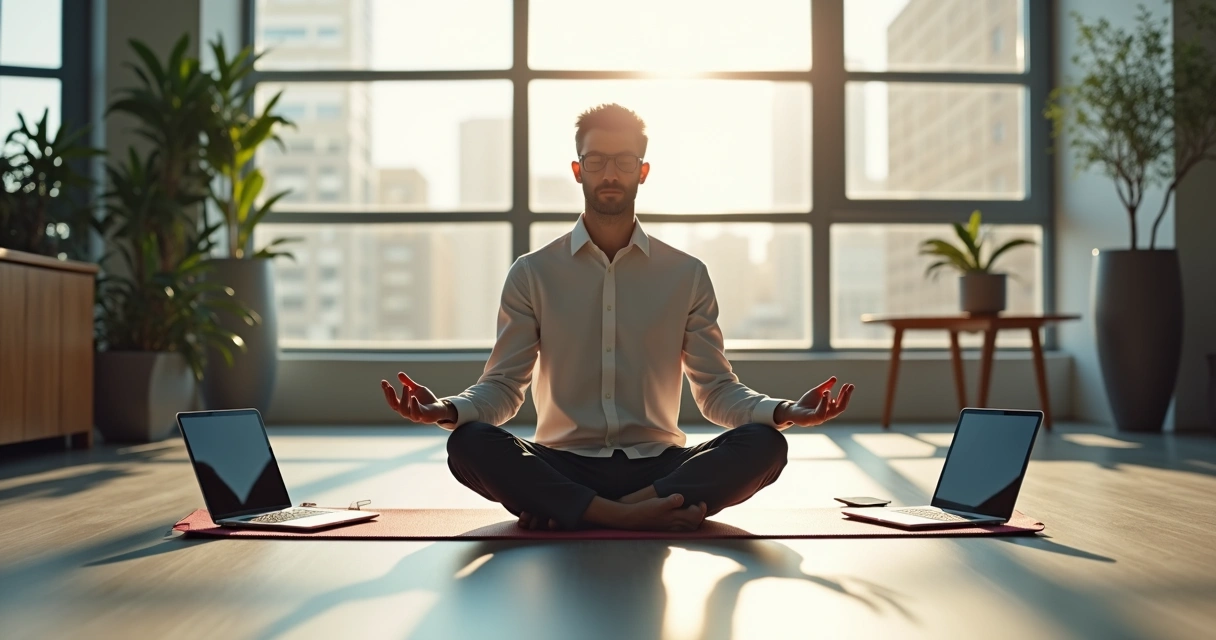
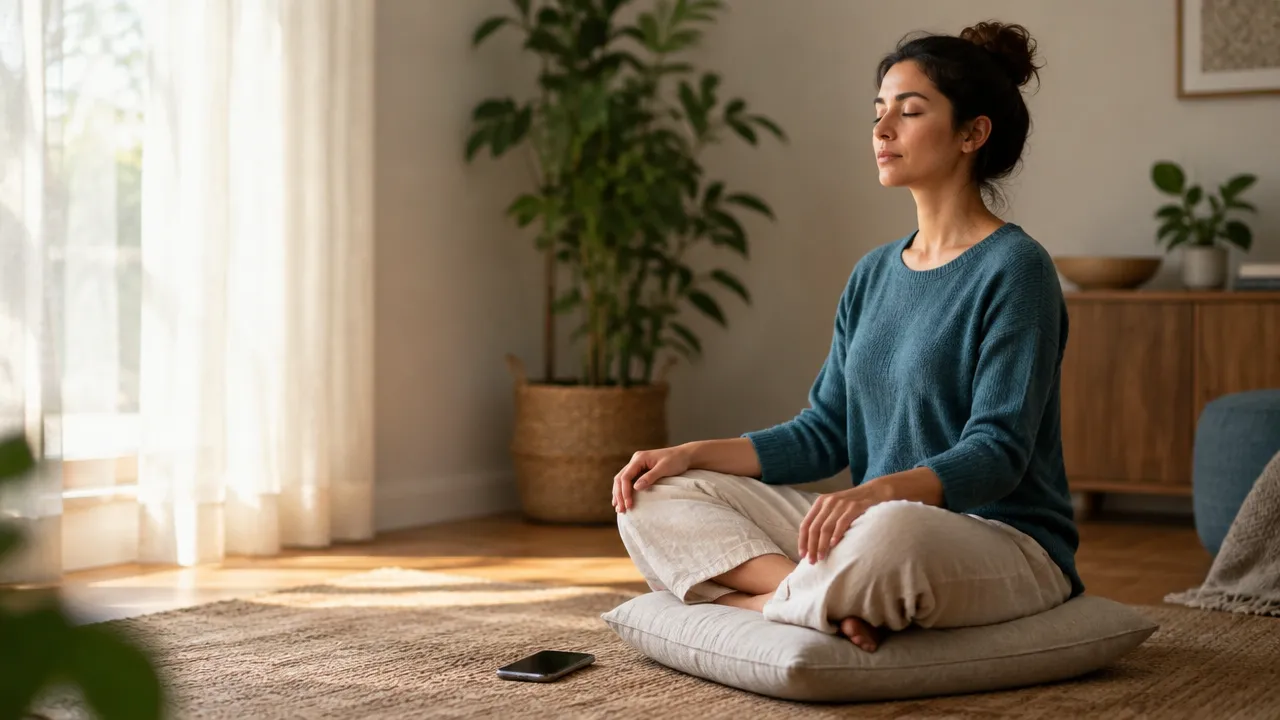
- Pick a consistent place for meditation that's away from screens when possible.
- Let yourself notice, without judgment, any digital urges that arise.
- Start with a few conscious breaths before using any guided meditation tool.
- Consider trying a screen-free timer instead of a phone app.
- Accept that sometimes you’ll feel restless, distracted, or dissatisfied—and that’s normal.
Most of all, I learned the value of even brief pauses. Two minutes, done with intention, can plant a seed of calm. If it grows into a habit, fantastic. If it doesn’t, it’s still enough.
A new kind of mindfulness for a connected world
Marquesian Consciousness holds that new global problems need new forms of consciousness. In today’s world, any individual’s calm—or agitation—echoes worldwide.
When I meditate, I’m not retreating from the digital world; I am joining it with greater awareness. If I bring a bit more patience to my messages or a pause before I post, that has ripple effects. Meditation and a healthy mindset aren’t only private choices now. They are a contribution to a more stable, humane, and connected planet.
Conclusion
Digital overload won’t vanish with a perfect meditation practice. But in my experience, meditation that is honest, kind, and non-digital at heart can restore something deeply lost: a sense that I am fully here, undivided, even in a world that tugs at my attention a thousand ways. This is the kind of maturity Marquesian Consciousness calls for in these times. If you're looking to grow in this way, consider spending more time with our project and find your own way to bring presence into your digital life.
Frequently asked questions
What is digital overload in daily life?
Digital overload happens when we are exposed to more digital information, notifications, and interactions than our minds and emotions can handle peacefully. It isn’t just about spending many hours on screens, but about the pressure to respond, multitask, and process constant notifications. In my experience, it leads to mental fatigue, agitation, and a persistent feeling of being scattered or fragmented.
How does meditation help with overload?
Meditation gives us a structured way to notice and calm our scattered attention. When I meditate, I become more aware of my habits and impulses, especially the urge to check a device or worry about unfinished tasks. Over time, meditation trains my mind to pause, breathe, and step back from the urge to react, bringing back a sense of centeredness that helps balance the effects of digital overload.
Is meditation effective for screen fatigue?
Meditation can help with screen fatigue because it provides time away from fast visual input, lets the eyes rest, and helps the mind reset. In my own routine, even short sessions with eyes closed can ease the physical tension and mental fog that follow long stretches online. The key is to use meditation as a genuine break, not another digital activity.
How can I start meditating easily?
If you're just starting, I suggest finding a quiet or neutral spot, sitting comfortably, and focusing on your breath for two to five minutes. Set a simple timer, close your eyes, and don’t judge your thoughts—just notice them. If it helps, bring attention to sounds or simple bodily sensations. The most important part is beginning without pressure to perform.
What are the best apps for meditation?
While there are several well-designed meditation apps available, I encourage you to approach them as supportive tools rather than as the main source of your practice. Marquesian Consciousness often suggests balancing technology with non-digital moments when possible. Sometimes, a simple screen-free practice, or using a basic timer, is just as helpful. Your own honest attention is the most valuable “app” you can use in meditation.