


It used to feel like the concerns of the world were far from our front doors. Then, one day, we saw a photo of a sea turtle tangled in plastic that could have come from any supermarket trip. We realized something: our choices at home echo further than we think—sometimes across continents, often across generations.
What does global ethics mean at home?
Global ethics, for us, starts with a simple truth: every daily choice, no matter how minor it appears, carries a weight that extends far beyond our household. Whether picking what food to buy or choosing how to dispose of waste, our actions do not end in our trash bins or shopping carts.
At its heart, global ethics recognizes that humanity now shares a single, interwoven fate. Our routines—what we consume, how we work, how we care—connect with that much larger web. When we understand this, the home becomes more than a refuge; it becomes a stage upon which our values shape the world.
Ethics is no longer about just right or wrong—it's about cause and effect, rippling outward.
How small decisions make a global difference
Sometimes, we see our own routines as isolated. But in truth, they ripple into markets, ecosystems, and cultures. Let's consider a few:
- Food choices: A banana in the fruit bowl could have traveled eight thousand miles, impacting farms, carbon footprints, and communities along the way.
- Energy habits: Switching off a single appliance or adjusting the thermostat can mean less demand on a power grid, often fueled by sources that cross national borders.
- Product purchases: Everyday products—clothes, electronics, toiletries—reflect global supply chains. A t-shirt might stitch together cotton farmed in one country and manufactured in another.
These examples show how the household is linked to global systems. We believe that awareness is the first step to change.
The interconnected web of our lives
We often think of ourselves as individuals, but now, our decisions create threads that knot together with others worldwide:
- Ecological impact: Every plastic bag, every paper towel, every food scrap interacts with the earth in some way. Cumulative actions can strain or restore planetary resources.
- Social responsibility: We might not meet the people who grow our coffee or make our shoes, but our decisions influence their livelihoods and well-being.
- Emotional currents: Social media, news, and even shared panic or hope can leap over borders in seconds, affecting how we feel and act at home.

Making decisions with planetary impact
In our experience, bringing global ethics home is not about overwhelming ourselves with guilt or perfection. Instead, it's about mindful, consistent action. We have observed that three ideas often help guide our decisions:
- Think systems, not silos. When we see each choice as connected to a wider system—be it climate, culture, or economy—we naturally act with a broader sense of care.
- Prioritize long-term effects over short-term ease. That might mean reusing bags, reducing meat consumption, or supporting fair labor even when it's less convenient.
- Foster empathy for distant others. When we imagine those who touch each product or are affected by each decision (human or nonhuman), ethics becomes rooted in relationship, not abstraction.
A good example: choosing coffee that supports fair pay, or supporting energy that comes from cleaner sources. These decisions, made privately at home, leave traces across borders and lift standards over time.
Barriers and how to move past them
At first, global thinking at home might feel daunting. We have heard concerns like "My choices are too small," or "It's impossible to know all the impacts." These hesitations are familiar.
What matters most is to start. We break big issues into small, repeatable habits. For instance:
- Read labels and ask questions about products—where, how, and by whom are they made?
- Try going meatless one day a week, then build from there.
- Share stories and ideas with friends or family to build a supportive circle.
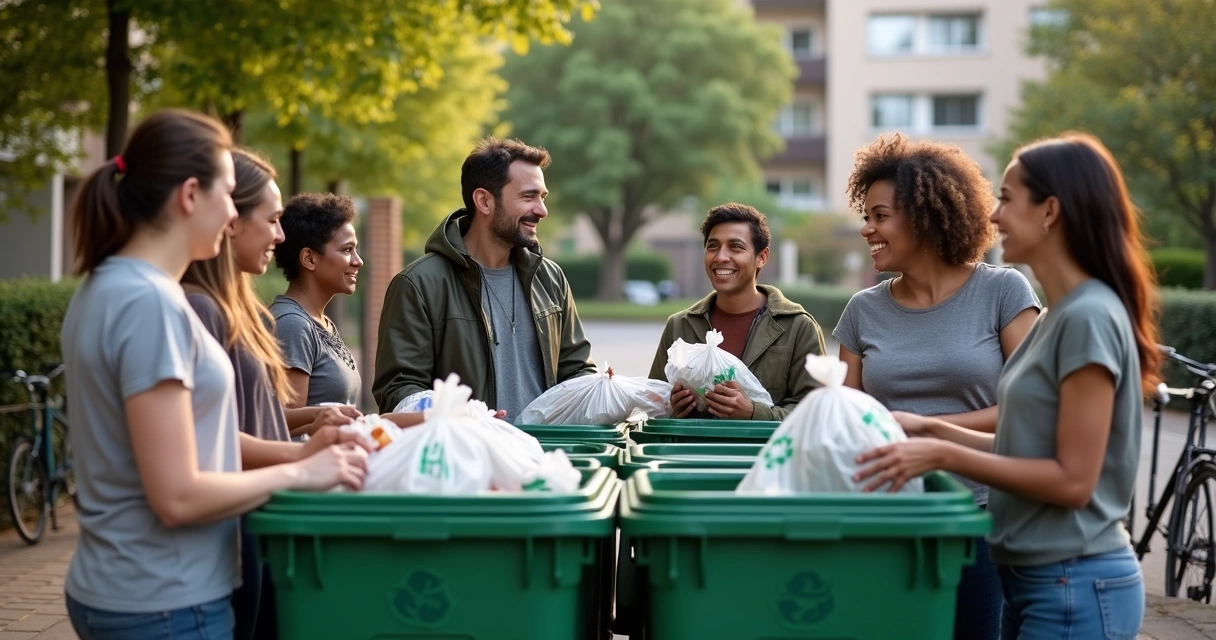
No one will have perfect knowledge of every supply chain or consequence, but every effort to improve our awareness and behavior counts. One person's change often encourages another. That's the power of example.
Every step forward, no matter how small, is a step for the planet.
Bringing others along: The momentum of shared change
We have found that talking about global ethics at home inspires others. When families discuss why they recycle or why they value local food, children listen. When neighbors share resources, seeds, or skills, habits spread without lectures.
We build momentum when we:
- Start conversations at the dinner table or with neighbors
- Celebrate progress, not perfection
- Keep learning and sharing new ideas, even when we get things wrong
Shared action makes responsibility lighter, and turns ethics from an abstract idea into a shared journey.
Conclusion: The future, shaped by our hands
We are living in a time of rapid change. In our view, delivering global ethics into the home is one of the most direct ways we can shape that change with purpose and care. Every mindful decision, made daily, builds a culture of responsibility that reaches far beyond any one front door.
Home is where global change begins—one choice at a time.
By acting with awareness, empathy, and hope, we help build a world where individuals can make a difference. Global ethics does not wait for governments or distant corporations; it starts with what we hold in our hands today.
Frequently asked questions
What is global ethics at home?
Global ethics at home means applying a global sense of responsibility to our daily decisions. It is about recognizing that our habits, purchases, and actions at home connect us to people, communities, and environments worldwide. By being mindful and intentional, we can align our choices with values that support sustainability, fairness, and well-being far outside our immediate surroundings.
How do my choices impact the planet?
Every action, from choosing what to eat to how we manage waste, contributes to a chain of effects that can reach all corners of the planet. For example, the food we consume influences global farming practices, and our energy use affects climate systems. When we act with this understanding, even the smallest choice gains significance.
What are examples of ethical decisions?
Ethical decisions at home include buying products that are made with fair labor, reducing single-use plastics, eating more plant-based foods, saving water and energy, and supporting local and responsible businesses. The key is to choose habits that promote well-being for people and the planet, not only convenience or cost.
How can I make ethical choices daily?
We suggest starting small and picking one habit to change, such as using reusable bags, composting food scraps, or reading labels to understand product origins. Small steps, repeated every day, grow into bigger change and inspire others to follow. As your awareness grows, more opportunities for ethical decisions will become clear.
Why does global ethics matter locally?
Global ethics matter locally because the impact of our choices does not stop at our doorstep. The health, safety, and well-being of our communities are linked with the global community. By caring for the wider world, we also improve our own homes, neighborhoods, and societies.