

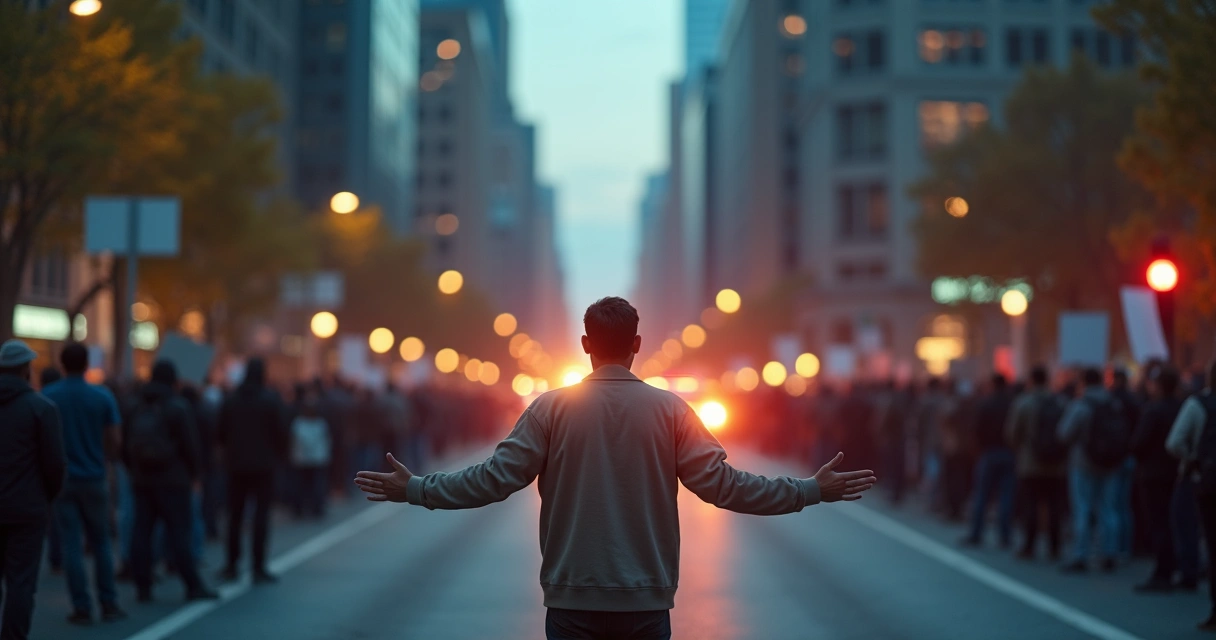
When streets fill with anger, fear, and grief, empathy does not simply vanish. It changes shape. Sometimes it expands fast, as strangers help each other, share food, or protect the weak. Sometimes it shrinks just as fast, as people sort the world into sides and stop seeing the pain of those outside their group.
We have seen this pattern many times in public life and in private conversations. A person watches troubling news all day, feels deeply for victims in the morning, then by night speaks with coldness about anyone seen as an opponent. The human heart can do both. It can open and close in the same day.
During social unrest, empathy often becomes selective rather than absent.
This matters because unrest is never only about events. It is also about perception. It is about who we count as human, whose fear we recognize, and whose suffering we decide is justified, exaggerated, or invisible.
Why empathy shifts under pressure
Empathy needs attention, emotional space, and some sense of safety. Widespread unrest damages all three. When people feel threatened, the nervous system moves toward defense. We scan for danger. We protect our own. We react faster than we reflect.
In our view, this does not mean people become bad. It means they become strained. Under strain, the mind tends to simplify. Complex social pain turns into clear stories: us and them, right and wrong, threat and protection. Those stories can feel stabilizing, but they reduce our ability to hold many truths at once.
We also know that empathy is part of daily life more than many people think. A study from the University of Toronto found that people encounter about nine chances to empathize each day, and those moments are linked with prosocial behavior. In unrest, those chances do not disappear. They become harder to notice because public tension floods our attention.
Stress narrows the lens.
Once the lens narrows, three things often happen:
We feel stronger empathy for people who seem close to us.
We feel less empathy for people linked to threat or blame.
We become emotionally tired and start to shut down.
That mix can make a society look emotionally unstable. In one moment, there is collective care. In the next, harsh indifference.
How group identity changes compassion
During unrest, identity becomes louder. People ask, sometimes silently, who is with us, who is against us, and who cannot be trusted. This can strengthen solidarity inside a group, which is not always harmful. In fact, shared care can keep communities together during chaos.
The problem begins when empathy becomes tribal. Then compassion is offered only inward, while contempt is directed outward.
Social unrest can turn empathy into a boundary marker, given freely to some and denied to others.
We have all seen moments like this. A crowd mourns one injury and mocks another. A family feels deep sorrow for victims on one side of a conflict but dismisses equal pain on the other side. These reactions may feel morally clear to the people inside them, but they reduce our ability to respond wisely.
Research supports the idea that beliefs about empathy can shape conflict. A Stanford University study showed that believing in the value of empathy across political lines can reduce partisan hostility and make persuasion more possible. That does not erase disagreement. It lowers the emotional temperature enough for people to hear more than their own side.
When empathy grows instead of fading
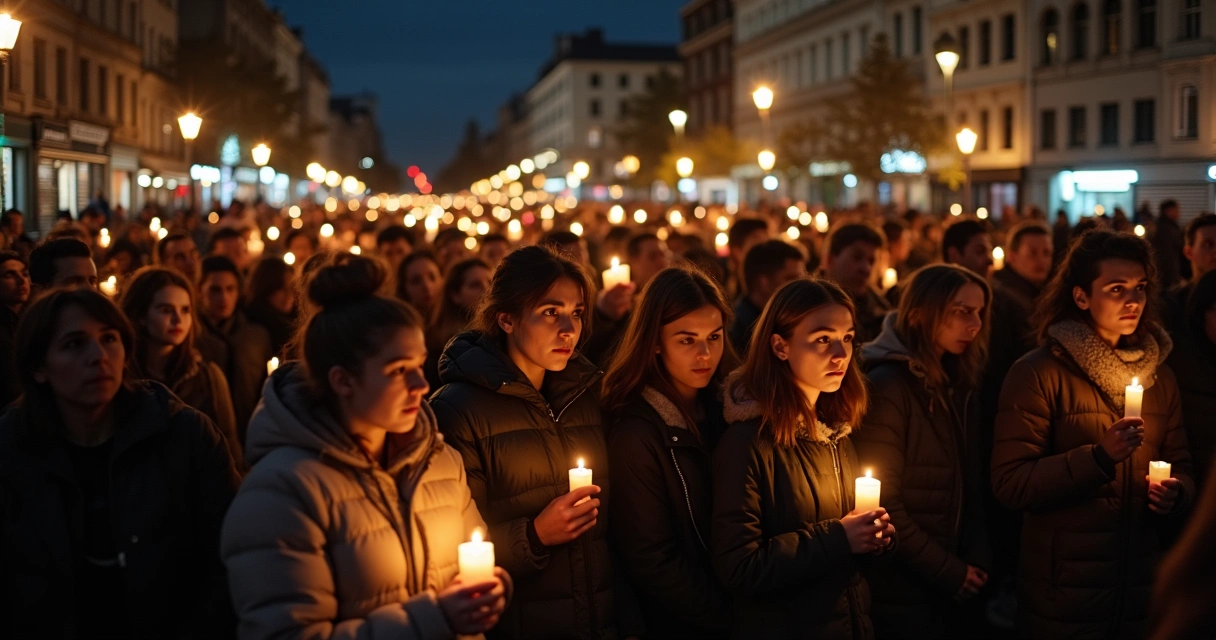
It would be too simple to say unrest only weakens empathy. Sometimes it wakes people up. Pain seen in public can break through routine and force moral attention. A person who once ignored injustice may suddenly feel another person’s fear in a real and painful way.
We think this is one reason public crisis can create acts of courage. People open homes, form support circles, bring supplies, and stand beside strangers. Such actions are not abstract ideals. They are empathy made visible.
Empathy tends to grow in unrest when people can still do a few things:
Stay in contact with real human stories, not only slogans.
Pause long enough to feel without being flooded.
See suffering without turning every person into a symbol.
Take one helpful action, even a small one.
Action matters because helplessness can freeze empathy. When we feel there is nothing we can do, we often numb ourselves. But when we can help in one concrete way, emotional connection becomes easier to sustain.
What blocks empathy in tense times
Several forces push empathy down during conflict. Some are internal. Others come from the wider social field. Together, they create a hard emotional climate.
In our experience, the most common blocks are these:
Fear, which makes people interpret ambiguity as danger.
Anger, which can make punishment feel more satisfying than understanding.
Overexposure to distressing images, which leads to numbness.
Group pressure, which punishes nuance and rewards loyalty.
Moral exhaustion, when people are too drained to care well.
There is also a quieter block. It is speed. Social unrest creates a rush to react, post, defend, condemn, and align. Yet empathy is slower than outrage. It needs a second look. It needs context. It needs the courage to say, “There is pain here too, even if I do not agree.”
Empathy slows judgment.

How we can protect empathy without denying reality
Empathy does not ask us to approve harmful actions. It asks us to remain human while we respond. That is a hard task during unrest, especially when emotions are justified and wounds are fresh. Still, there are ways to protect this capacity.
We strengthen empathy when we combine emotional honesty with inner steadiness.
That may look simple, but it is not passive. It can involve:
Limiting constant exposure to upsetting media so the mind can reset.
Listening to one lived experience at a time instead of absorbing endless noise.
Naming our own fear before projecting it onto others.
Practicing stillness, reflection, or breath awareness before hard conversations.
Speaking in ways that criticize actions without denying humanity.
We have found that even a brief pause changes tone. A few quiet breaths before answering a message. A short walk before entering a debate. A moment of silence after reading painful news. Small acts, yes. But they help us return to a wider view.
Conclusion
What happens to empathy during widespread social unrest is not one single thing. It becomes strained, selective, awakened, exhausted, and sometimes unexpectedly brave. It may contract around identity, then expand through direct contact with suffering. It may disappear in language while remaining alive in action.
The deeper question is whether we can keep empathy from becoming narrow. If we can, unrest does not only expose division. It also reveals our capacity to stay connected in the middle of fear. That kind of empathy is not soft. It is disciplined. It sees pain clearly and still refuses dehumanization.
When a society is shaking, this is one of the hardest forms of maturity we can practice. And one of the most healing.
Frequently asked questions
What is empathy during social unrest?
Empathy during social unrest is the ability to recognize and feel concern for the fear, grief, and stress that people experience during public conflict. It includes emotional understanding, but it also includes the willingness to see others as human even in disagreement.
How does unrest affect people's empathy?
Unrest often makes empathy more selective. People may feel deep care for their own group while becoming less sensitive to those seen as a threat. Stress, anger, and emotional overload can also reduce a person’s ability to stay open and balanced.
Can empathy help reduce social conflict?
Yes. Empathy can reduce hostility because it lowers dehumanization and makes dialogue more possible. It does not erase differences, but it can soften rigid hostility and create room for wiser responses, better listening, and less reactive behavior.
How to increase empathy in tough times?
We can increase empathy by slowing down, limiting overload, listening to real stories, and practicing emotional regulation. Quiet reflection, mindful breathing, and one-to-one human contact can help us stay connected without becoming overwhelmed.
Why does empathy decrease during conflict?
Empathy often decreases during conflict because the mind shifts into defense. Fear narrows attention, group identity becomes stronger, and people become tired from constant tension. In that state, it is harder to hold nuance or care for those outside one’s circle.