

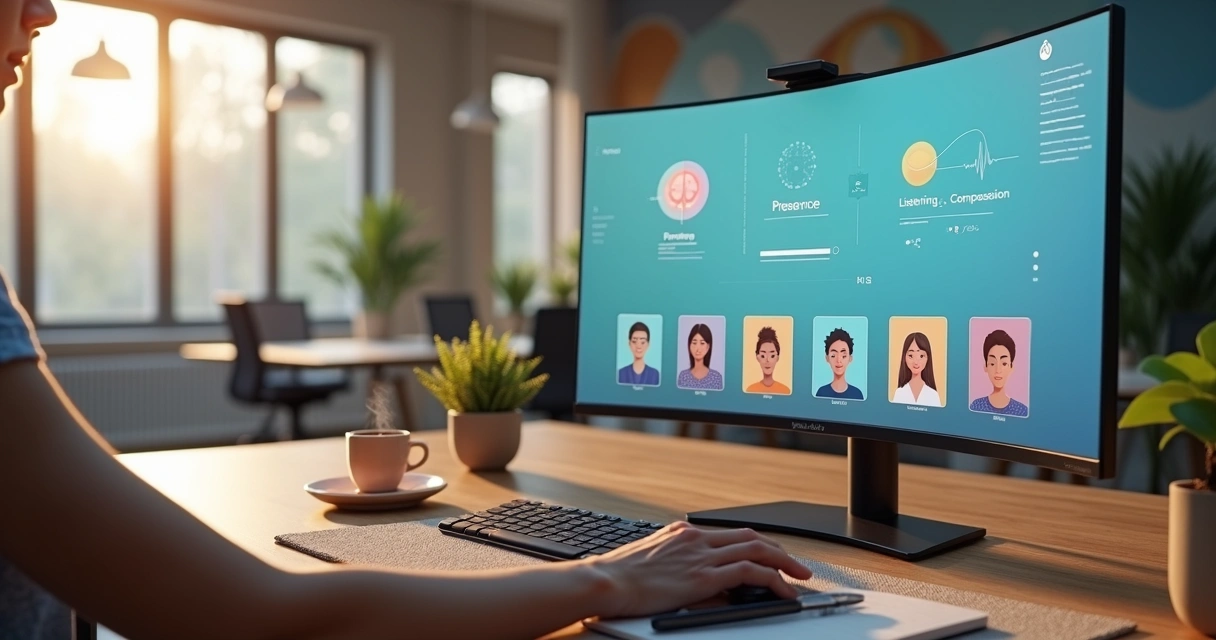
Online teams live inside screens, but human attention does not always fit well inside a small rectangle. We have all felt it. A meeting starts, cameras are on, faces appear, and still something feels thin. People are present, yet not fully here.
That is where digital avatars begin to change the mood. They do more than decorate a profile. They shape how we show up, how safe we feel, and how much space we have to pause before reacting.
Digital avatars can support mindfulness by making online presence feel more intentional, less exposed, and easier to manage.
We think this matters because mindfulness at work is not only about breathing exercises. It is also about attention, emotional regulation, and the quality of contact between people. In our experience, when teams become more conscious about how they appear online, they also become more conscious about how they listen, speak, and respond.
They create a softer entry into presence
For many people, a live camera creates pressure. Some feel watched. Some worry about their home, their face, or their tired eyes. That pressure can pull attention away from the meeting itself. Instead of listening, people monitor how they look.
An avatar can lower that load. It gives a person a stable visual identity without asking for constant self-surveillance. This makes the first step into presence easier. We have seen that when people feel less exposed, they often become calmer and more focused.
A mindful state needs enough inner safety for attention to settle. Avatars can help build that safety by adding a layer of gentle distance.
They reduce appearance-related distraction.
They help shy team members join with less tension.
They create continuity across meetings.
This does not mean people should hide. It means they can choose the form of presence that supports steadiness. Choice itself is calming.
Less pressure. More presence.
We think teams often miss this point. They treat visual format as a technical setting, when it is also an emotional setting.
They make emotional self-awareness more visible
Mindfulness grows when people notice their state before acting from it. In physical rooms, we often read posture, breath, and energy. Online, those cues are weaker. Avatars can partly fill that gap when they are used with intention.
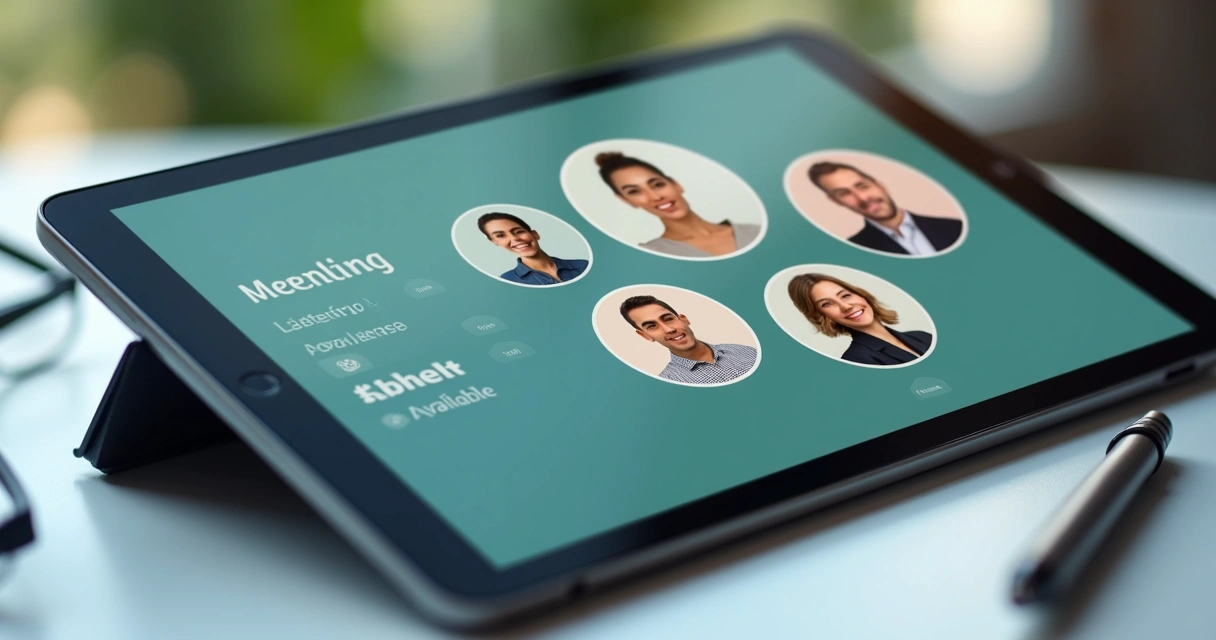
Some teams use avatars that reflect current status, such as focused, open, tired, or in listening mode. This does not need to be childish or theatrical. It can be simple and clean. A color shift, a small icon, or a posture change can signal something real.
When an avatar reflects state, it turns inner awareness into shared awareness.
That small change affects behavior. If we see that a colleague has marked deep focus, we may interrupt less. If someone signals low energy, we may speak with more care. Over time, this supports a team culture that notices human limits instead of pushing past them.
There is also research pointing in this direction. In a 2025 doctoral study on avatars offering social support during a stress test, participants who received support through an avatar showed lower stress than those in a no-support condition. That finding tells us something simple but powerful. Even digital representation can affect felt stress in a real way.

They support pauses before reaction
One of the hardest parts of online teamwork is speed. Messages arrive fast. Replies arrive faster. In that pace, reactivity can replace reflection. A mindful team needs moments of pause.
Avatars can help by acting as tiny rituals. We have seen teams use visual transitions that mark a shift from discussion to reflection. An avatar may dim during a silent minute. It may show a listening symbol during a check-in round. These cues slow the social tempo without forcing a long explanation.
Once, in a team session, one person changed their avatar status to a quiet mode before replying to a tense message. Nothing dramatic happened. But the tone changed. Others waited. The next reply was shorter, clearer, and kinder. Small signals can shape group rhythm.
Useful mindful avatar habits often include:
A pause icon before difficult conversations.
A reflection mode during silent writing or breathing.
A listening marker when one person needs full attention.
These are simple practices, yet they can lower friction. They make it easier for people to choose response over impulse.
Mindfulness in teams often begins with shared permission to slow down.
They reshape inclusion and psychological comfort
Not everyone enters online space with the same ease. Personality, culture, stress level, disability, gender, and past experience all shape digital comfort. Avatars can widen the door for participation when they allow people to present themselves in a way that feels safer and more accurate.
This is not a small matter. If a person feels that their way of appearing online is accepted, they are more likely to speak honestly and listen openly. That is a condition for mindful communication.
The study we mentioned above also found that some avatar conditions produced lower stress for participants, and that female participants showed larger stress reductions than males. We should be careful not to overstate one study, but the direction is meaningful. Digital forms of support are not neutral. Design choices can affect how secure people feel.
In our view, inclusive avatar use works best when teams agree on a few simple norms:
People can choose between camera, avatar, or mixed presence when possible.
Avatar styles should stay respectful and work-appropriate.
Status signals should be clear and shared by the team.
No one should be judged as less engaged for using an avatar.
When those norms are in place, avatars stop being a gimmick. They become part of a more humane digital environment.
Conclusion
Digital avatars change mindfulness in online teams in four clear ways. They soften the pressure of being seen, they help inner states become visible, they support pauses before reaction, and they widen the conditions for inclusion. None of this happens by magic. Teams need intention, shared norms, and a calm design approach.
Still, the shift is real. We think avatars work best when they are not treated as decoration, but as part of how a team cares for attention and emotional tone. Online work asks us to be present through tools. The wiser those tools become, the easier it is for people to stay human inside them.
Presence can be designed.
Frequently asked questions
What are digital avatars in online teams?
Digital avatars in online teams are visual representations of team members used in meetings, chat tools, and shared workspaces. They can be simple profile images, stylized characters, or animated identities that stand in for a person during digital interaction.
How do avatars help with mindfulness?
Avatars help with mindfulness by lowering social pressure, making emotional states easier to signal, and supporting deliberate pauses. They can help people feel safer, more focused, and more aware of how they show up in group settings.
Are digital avatars worth using for teams?
Yes, they can be worth using when the team wants a more thoughtful online environment. Their value is higher when they support comfort, clarity, and respectful communication, rather than serving as decoration only.
How can I create a digital avatar?
You can create a digital avatar by choosing a platform or design tool that lets you build a visual identity with face shape, colors, clothing, and expression options. Keep it clear, professional, and easy for teammates to recognize.
Do avatars improve team communication online?
They can improve team communication online when they reduce tension, signal availability or focus, and help people express presence in a comfortable way. Their effect depends on how well the team uses them and whether shared norms are in place.